Welcome to the [NAME], a searchable collection of research and extension information relevant to micronutrient management for corn and soybean production in Ontario. Developed through a rigorous systematic mapping process, the [NAME] holds 126 Ontario-relevant records published between 2010 and 2025, providing a curated collection of the latest scientific evidence most applicable to Ontario's corn and soybean sectors.
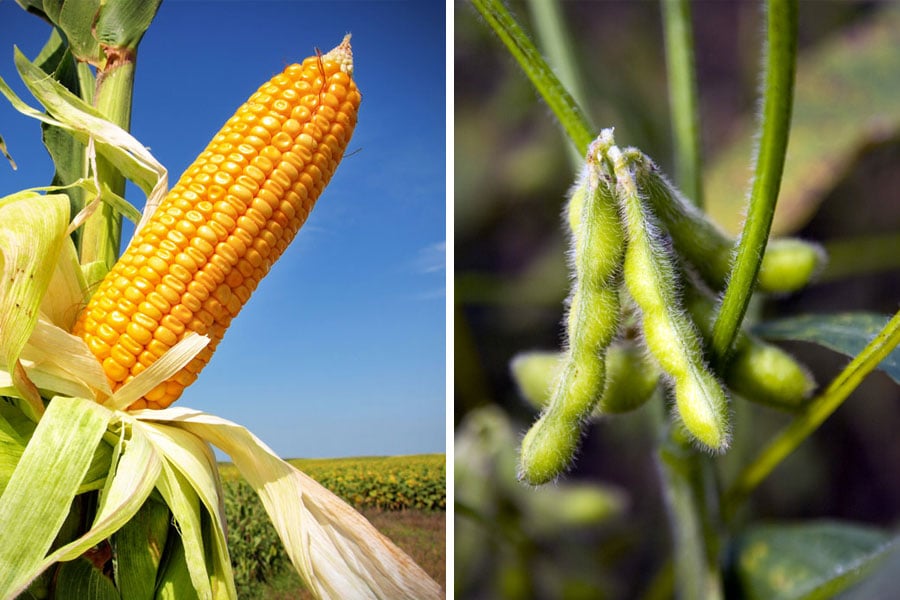
The [NAME] includes a diverse range of sources, including peer-reviewed research articles, extension and advisory publications, handbooks, factsheets, and diagnostic and plant tissue testing resources, recognizing that important micronutrient management knowledge is generated through both scientific research and professional practice.

Only records determined to be relevant to Ontario production systems are included in the [NAME]. Ontario relevance was assessed using predefined criteria based on continental glaciation history, similar climate and corn and soybean production systems.

The [NAME] covers the nine micronutrients currently recognized as essential for corn and soybean production: boron, chlorine (chloride), cobalt, copper, iron, manganese, molybdenum, nickel, and zinc.

Each record included in the [NAME] has been systematically coded using a standardized evidence extraction framework that captured study characteristics, geographic location, crop, micronutrient(s), intervention method, reported outcomes, document type, study type, and key findings. This standardized structure enables users to efficiently search, filter, and compare evidence across multiple dimensions while maintaining complete traceability to the original source documents.

The [NAME] is intended to support researchers, agronomists, crop advisors, extension specialists, government agencies, commodity organizations, farmers, and policy makers seeking reliable, Ontario-relevant evidence. Users can rapidly locate information related to specific micronutrients, diagnostic approaches, critical soil and tissue testing considerations, micronutrient interactions, crop responses, application practices, and agronomic, economic, and environmental outcomes. By consolidating dispersed knowledge into a single searchable resource, the [NAME] reduces the time required to identify relevant evidence while improving transparency and consistency in evidence-informed decision making.

Financial support provided by:

Collection

crop
Document Type
Study Type
Intervention Method
Outcomes Reported
year published
0
0
Thank you! Your submission has been received!
Oops! Something went wrong while submitting the form.
0216
Corn and soybean yield response to micronutrients in southwest Iowa
Antonio Mallarino; Mazhar Haq; Joshua Enderson; Ryan Oltmans; Bernie Havlovic
|
2015
|
United States
Original research article
Field experiment
Corn
Soybean
Boron
Copper
Manganese
Zinc

Methods: Two Iowa State on-farm trials (2012-2014) at the Armstrong/Neely-Kinyon farms in southwest Iowa evaluated B, Cu, Mn, and Zn on a Marshall silt loam with no recent manure or micronutrient use. A soil-application trial (control; B, Mn, or Zn banded; a banded mixture; a broadcast-incorporated mixture; 4 reps) used NuBor 10 (0.5 lb B/acre banded, 2 lb/acre broadcast), Broadman20 (5 lb Mn/acre), and EZ20 (5 lb Zn/acre). A foliar trial (control; B, Cu, Mn, or Zn alone; a four-nutrient mixture) sprayed Max-In B/Cu and MicroBolt Zn/Mn twice per season (V5/V6, plus V8/V10 for corn or R2/R3 for soybean), totaling 0.16 lb B, 0.08 lb Cu, 0.33 lb Mn, and 0.495 lb Zn/acre. Soil B was tested by hot-water method; Cu, Mn, Zn by DTPA and Mehlich-3. Crop sequence was soybean(2012)-corn(2013)-soybean(2014). Findings: No statistically significant corn or soybean yield increase occurred from B, Cu, Mn, or Zn applied to soil or foliage in any trial-year, despite yields ranging normal to very high (soybean 38-67 bu/acre; corn 198-220 bu/acre); fertilization often increased grain micronutrient concentration without a yield benefit. Soil Zn (DTPA) for non-fertilized plots ranged 0.5-1.7 ppm (marginal to adequate by Iowa's corn-only interpretation of <0.9 ppm deficient), consistent with the lack of response. Lack of Cu and Mn response agreed with other states' higher sufficiency thresholds, since observed soil levels exceeded them. For B, other states' interpretations predicted a yield increase in some years/trials that was not observed. Conclusion: Iowa's Zn interpretation for corn remains reliable in this soil, but B, Cu, and Mn recommendations imported from other states did not reliably predict yield response at this southwest Iowa site.

Intervention method:
Soil application
|
Foliar or leaf application
Outcomes:
Yield
Soil properties
Nutrient uptake
Diagnostic
No economics data
View detail
0221
Corn and soybean yield response to micronutrients in an Iowa sandy soil
Antonio Mallarino; Pablo Barbieri; Ryan Oltmans; Joshua Enderson; Vine Lawson
|
2015
|
United States
Original research article
Field experiment
Corn
Soybean
Boron
Manganese
Zinc

Methods: On-farm trial at Iowa State's Muscatine Island farm on a Toolesboro sandy loam (pH 6.2, 3.6% organic matter), with corn in 2012 and 2014 and soybean in 2013, no prior manure or micronutrient history. Six treatments (control; B, Mn, or Zn banded; a banded mixture; a broadcast-incorporated mixture) were replicated four times on the same plots each year. Rates: boron (NuBor 10) 0.5 lb B/acre banded or 2 lb/acre broadcast; manganese (Broadman20) 5 lb Mn/acre; zinc (EZ20) 5 lb Zn/acre, both banded and broadcast. Non-limiting P, K, and S were applied uniformly. Soil B was tested by hot-water extraction, Mn and Zn by DTPA and Mehlich-3. Corn ear leaves were sampled at silking (R1) and whole plants at V5-V6; soybean trifoliates were sampled at V5-V6 and R2-R3. Findings: No statistically significant corn or soybean grain yield response occurred from B, Mn, or Zn in any year (corn 185-234 bu/acre; soybean 54-58 bu/acre). Fertilization increased corn tissue B and Zn concentrations at V5-V6 but rarely at R1, and rarely raised soybean tissue concentrations at either stage, attributed to dilution from growth. Initial soil Zn (DTPA) ranged 1.2-2.3 ppm, above Iowa State's 0.9 ppm deficiency threshold for corn (the only regional soil-test interpretation available), correctly predicting no Zn response. Applying other states' higher B, Mn, or Zn soil/tissue sufficiency thresholds to this site would have incorrectly predicted yield increases for several nutrient-crop combinations. The authors concluded there was no economic yield benefit to B, Mn, or Zn application on this sandy soil, reinforcing that Iowa-specific Zn interpretations were reliable while imported out-of-state thresholds were not.

Intervention method:
Soil application
Outcomes:
Yield
Soil properties
Nutrient uptake
Diagnostic
No economics data
View detail
0222
Corn and soybean yield response to micronutrients
Antonio Mallarino; Joshua Enderson; Ryan Oltmans; Mazhar Haq; Josh Sievers
|
2015
|
United States
Original research article
Field experiment
Corn
Soybean
Boron
Copper
Manganese
Zinc

This study investigated the effects of micronutrient fertilization on corn and soybean grain yields through two field experiments conducted from 2012 to 2014 in Iowa on Marcus silty clay loam. The trials evaluated both soil applications (boron, manganese, and zinc) and foliar applications (boron, copper, manganese, zinc, and a multi-nutrient mixture). Baseline soil tests indicated that initial levels of copper, manganese, and zinc were generally adequate or high relative to regional sufficiency thresholds, while soil boron levels fell into intermediate ranges. Although fertilizer treatments frequently increased the concentration of micronutrients within the harvested grain, neither soil-applied nor foliar-applied micronutrients produced statistically significant grain yield increases for corn or soybean in any trial or year. The authors concluded that standard regional soil-test interpretations successfully predicted the lack of yield response for copper, manganese, and zinc. However, for boron, interpretations used in certain states incorrectly suggested a potential response even though none was observed. Overall, the findings indicate that micronutrient fertilization provides no economic grain yield benefit for corn and soybean when initial soil test levels are sufficient.

Intervention method:
Soil application
|
Foliar or leaf application
Outcomes:
Yield
Soil properties
Nutrient uptake
Diagnostic
No economics data
View detail
0224
Corn era hybrid nutrient concentration and accumulation of secondary and micronutrients
Krishna P. Woli; John E. Sawyer; Matthew J. Boyer; Lori J. Abendroth; Roger W. Elmore
|
2019
|
United States
Original research article
Field experiment
Corn
Boron
Copper
Iron
Manganese
Zinc

Studies are limited that focus on change in concentration and accumulation of secondary and micronutrients in corn (Zea mays L.) plant fractions and across corn hybrid development periods. This research was conducted in 2007 and 2008 to evaluate the partitioning of secondary and micronutrients across vegetative and reproductive stages at the plant-fraction level for 1960- and 2000-era hybrids. Two popular hybrids for each era were grown, with measurement of nutrient concentration and content in several plant and grain fractions. Secondary and micronutrient concentrations in plant fractions were lower in 2000- than 1960-era hybrids with most nutrients, except ear shoots and tassels for certain nutrients. However, nutrient content was consistently greater in 2000- compared to 1960-era hybrids in the whole plant and fractions at most development stages, except tassels and ear shoots. In tassels, nutrient content was mostly smaller in 2000-era hybrids, but in ear shoots content was similar. The accumulation rates of most nutrients per growing degree day (GDD) were greater in the reproductive period for 2000-era hybrids, but similar among eras in the vegetative period. Remobilized nutrients from vegetative to reproductive components were similar between era hybrids, except Ca and Fe, and positive except Fe, Mn, and B. It is apparent that greater nutrient content in newer hybrids was driven mainly by associated nutrient uptake rates and greater dry matter (DM). Despite the greater nutrient content with the modern hybrids, removal with grain or stover harvest would still be small for S and micronutrients.

Intervention method:
No intervention
Outcomes:
Biomass
Soil properties
Nutrient uptake
No economics data
View detail
0227
Corn, soybean, and alfalfa yield responses to micronutrient fertilization in Ohio
Stuti Sharma; Steve Culman; Anthony Fulford; Laura Lindsey; Douglas Alt; Grace Looker
|
2018
|
United States
Extension article/bulletin
Guidance/extension
Corn
Soybean
Boron
Copper
Iron
Manganese
Molybdenum
Zinc

This Ohio State Extension bulletin (AGF-519) synthesizes 194 micronutrient fertilizer trials in Ohio corn, soybean, and alfalfa (1976-2017) to guide practical management. Per Tri-State Fertilizer Recommendations, Ohio soils generally supply adequate micronutrients, but deficiencies of B, Cu, Mn, and Zn can occur under specific conditions: Cu on acidic peat/muck (pH<5.3) or black sand for corn/wheat/oats; Mn on peat/muck (pH>5.8) or lakebed soils (pH>6.2) for soybean/corn; Zn on peat, muck, or mineral soil (pH>6.5) for corn and soybean. Recommended tissue sufficiency ranges (ppm) for corn (ear leaf at silking) are Mn 20-150, Fe 21-250, B 4-25, Cu 6-20, Zn 20-70; for soybean (upper trifoliate before flowering) Mn 21-100, Fe 51-350, B 21-55, Cu 10-30, Zn 21-50, Mo 1.0-5.0. Across 33 corn trials, micronutrient fertilization raised yield by under 1%; across 144 soybean trials it raised yield about 1%, with Mn the only micronutrient showing consistent (though infrequent) response ? significant in 6 of 109 soybean Mn trials and 3 of 23 Mn-blend trials. B had no effect in 8 of 9 corn trials. Three recent studies (2013-2016) found soybean responsive to foliar Mn in only 1 of 32 paired trials (sandy, dry soil), and no yield response from B/Cu/Fe/Mn/Zn blends applied broadcast or foliar to corn or soybean at three sites, with tissue levels within sufficiency ranges. Recommendation: because soil tests poorly predict micronutrient availability and yield responses are rare, growers should combine visual deficiency scouting, soil testing, plant tissue analysis, yield-map monitoring, and awareness of high-risk soil/crop combinations (Table 1) before fertilizing. Always leave an unfertilized check strip and use yield monitors or weigh wagons to verify an economic response before adopting micronutrient fertilization broadly.

Intervention method:
No intervention
Outcomes:
Yield
Soil properties
Nutrient uptake
Diagnostic
No economics data
View detail
0235
Crop diagnostic handbook
2025
|
Canada
Extension article/bulletin
Guidance/extension
Corn
Soybean
Boron
Chlorine/Chloride
Copper
Iron
Manganese
Molybdenum
Zinc

This Saskatchewan Crop Diagnostic Handbook section covers general soil fertility diagnostics; corn/soybean-specific micronutrient content is limited to a few reference tables and general principles. Nutrient removal/uptake tables give micronutrient removal per bushel of grain: for corn, 0.015 lb B, 0.012 lb Cu, and 0.089 lb Zn (no Mn/Fe values reported); for soybean, 0.174 lb B, 0.075 lb Cu, and 0.22 lb Zn. A general nutrient-properties table lists micronutrient plant-available forms, soil/plant mobility, and typical fertilizer sources: B (H3BO3/BO3-, immobile in plant, very mobile in soil, sources include borax/sodium tetraborate), Cu (Cu2+, immobile in plant and soil, copper sulfate/EDTA chelate), Fe (Fe2+/Fe3+, immobile, ferrous/ferric sulfate), Cl (mobile), Mn and Zn (immobile in plant; Mn mobile in soil, Zn immobile), Mo (mobile). Deficiency symptoms for all micronutrients except Mo and Cl appear first in young/new leaves. Recommendations: the handbook advises that diagnosing micronutrient deficiency from visual symptoms alone is difficult even for trained agronomists, and multiple lines of evidence ? field symptoms, plant tissue tests, soil tests, comparative unaffected-vs-affected sampling, test strips, and cropping history ? should be combined before recommending a micronutrient application, since a single indicator is not considered reliable. Soil pH strongly influences availability: strongly alkaline soils reduce the relative availability of iron, manganese, copper, and zinc, so pH should be checked alongside nutrient testing when deficiency is suspected. The handbook does not provide crop-specific application rates, thresholds, or corn/soybean deficiency symptom descriptions beyond these general principles; growers are directed to submit paired soil/tissue samples from affected and unaffected field areas to a testing laboratory for a definitive diagnosis rather than relying on visual assessment alone.

Intervention method:
No intervention
Outcomes:
Soil properties
Nutrient uptake
Diagnostic
No economics data
View detail
0256
Development of a controlled-environment assay to induce iron deficiency chlorosis in soybean by adjusting calcium carbonates, pH, and nodulation
R. Merry; M. J. Espina; A. J. Lorenz; R. M. Stupar
|
2022
|
United States
Original research article
Lab study
Soybean
Iron

Background: Soybean iron deficiency chlorosis (IDC) is an important nutrient stress frequently found in high pH and/or soils high in calcium carbonates. To advance the understanding of IDC resistance in soybean, a rapid (21-day) controlled-environment assay was developed to investigate the effects of nodulation, pH, and calcium carbonate levels on soybean iron deficiency traits. This system was tested on four genotypes known to exhibit differences in iron efficiency, including two standard IDC check cultivars and a pair of near-isogenic lines exhibiting variation at an IDC resistance quantitative trait locus. Visual score, chlorophyll content, plant height, root dry mass, and shoot dry mass were measured to quantify iron stress. Results: Calcium carbonate levels and nodulation were found to have the greatest effects on IDC severity. Increasing calcium carbonate levels worsened IDC symptoms, while nodulation reduced symptoms in all genotypes. Higher pH levels increased iron deficiency symptoms in check genotypes 'Corsoy 79' and 'Dawson', but did not induce iron deficiency symptoms in near-isogenic lines. A significant interaction was observed between genotype, nodulation, and calcium carbonate level, indicating that a specific treatment level could discern IDC symptoms between genotypes differing in resistance to IDC. Conclusions: IDC symptoms were successfully induced in the Check Genotypes Experiment as well as the NIL Experiment, indicating the success of using this assay for inducing IDC in controlled environments. However, our results suggest that treatment levels that best differentiate genotypes for their IDC resistance may need to be determined for each experiment because of the unique way in which different genotypes display symptoms and respond to iron deficiency conditions. Core ideas: An assay was developed to independently assess factors leading to IDC in soybean. Calcium carbonates have a greater influence on IDC symptoms than pH. Nodulation improved resistance to IDC in highly resistant and low resistant soybean genotypes. The developed assay is highly sensitive and can detect slight differences in IDC resistance.

Intervention method:
Other
Outcomes:
Biomass
Plant growth
Root traits
Physiological
No economics data
View detail
0263
Do I need to add micronutrients into my soil fertility program
Angie Rieck-Hinz
|
2024
|
United States
Extension article/bulletin
Guidance/extension
Corn
Soybean
Iron
Molybdenum
Zinc

This Iowa State Integrated Crop Management blog (2024) addresses whether growers need micronutrients in their soil fertility program for corn and soybean. Micronutrients (B, Cl, Co, Cu, Fe, Mn, Mo, Ni, Zn) are needed in very small amounts (usually 1-3 lb/acre). Iowa soils generally supply adequate micronutrients except on sandy soils, highly weathered soils, acid organic soils, and calcareous soils. A key exception is iron deficiency chlorosis (IDC) in soybean on calcareous soils in north-central and western Iowa; in-furrow fluid iron chelate can raise yield on these soils but not to levels seen on noncalcareous ground. Decades of Iowa State University micronutrient research (1960s-2015) across many soil types and pH ranges, testing stand-alone, foliar, and soil-applied micronutrient products, found no consistent yield response for most micronutrients. Occasional yield responses occurred with zinc in corn, and with molybdenum in soybean only on extremely acidic soils (pH ?5.4)-a condition better corrected by liming. Because of this inconsistency, most micronutrients (unlike P and K) have not been successfully calibrated to soil/tissue tests; zinc is the exception, with enough Iowa/north-central regional data to correlate soil test levels with corn and sorghum response. Recommendations: before considering micronutrients, first correct soil pH, maintain optimal P and K, and apply sulfur; then apply zinc according to soil test results for corn/sorghum. Only explore other micronutrients if budget allows, and first ask whether soil pH is optimal, soils are sandy, or deficiency symptoms are visible. For on-farm trials, include an untreated check, test multiple rates, and use both soil and tissue testing to identify which micronutrient (if any) is actually limiting, since most products showed no response beyond zinc.

Intervention method:
No intervention
Outcomes:
Yield
Soil properties
Nutrient uptake
Diagnostic
No economics data
View detail
0267
Distribution of zinc in maize fertilized with different doses of phosphorus and potassium
Krzysztof Bak; Renata Gaj; Anna Budka
|
2016
|
Poland
Original research article
Field experiment
Corn
Zinc

Evaluation of the nutritional status of zinc and other micronutrients in maize at the critical growth stages is an important diagnostic and prognostic factor that plays a substantial role in shaping its final yield. A hypothesis was verified that the application of different phosphorus and potassium fertilization doses affected the nutritional status of zinc in maize at the critical growth stages: leaf development (BBCH 17) and flowering (BBCH 65), as well as the zinc accumulation at the stage of ripening (BBCH 89, fully ripe). A single factor field study was conducted for 5 consecutive plant growing seasons (2007-2011). The results showed that mineral fertilization significantly increased zinc concentration in maize leaves at BBCH 17 and BBCH 65 growth stages. Regardless of the effects of the experimental factor, the Zn leaf content in maize at both critical growth stages was much below the standard value. Although the zinc concentration observed at the leaf development stage was low, no significant relationship was found between the zinc nutritional status in maize at that time and the subsequent grain yield. Stronger relationships between the zinc nutritional status in maize and grain yield were observed at the flowering stage. The total accumulation of zinc in maize was significantly differentiated by the experimental factor. The chemical form of phosphorus applied had no significant effect on Zn content in maize at the critical growth stages as well as on the accumulation of this nutrient in fully ripe plants. The ZnHI value obtained in the control treatment was 51.7%, whereas the values achieved in fertilizer treatments were higher and ranged from 52.9% (W100 PAPR - with partially acidulated phosphate rock) to 57.3% (W25 - 25% of K and P recommended rate). Correlation analysis on maize yield and zinc accumulation showed that yield volumes were determined most strongly by zinc accumulation in maize vegetative organs (especially husk leaves).

Intervention method:
No intervention
Outcomes:
Yield
Biomass
Nutrient uptake
Diagnostic
No economics data
View detail
0276
Dynamic gene expression changes in response to micronutrient, macronutrient, and multiple stress exposures in soybean
Jamie A. O'Rourke; Chantal E. McCabe; Michelle A. Graham
|
2020
|
United States
Original research article
Lab study
Soybean
Iron

Preserving crop yield is critical for US soybean production and the global economy. Crop species have been selected for increased yield for thousands of years with individual lines selected for improved performance in unique environments, constraints not experienced by model species such as Arabidopsis. This selection likely resulted in novel stress adaptations, unique to crop species. Given that iron deficiency is a perennial problem in the soybean growing regions of the USA and phosphate deficiency looms as a limitation to global agricultural production, nutrient stress studies in crop species are critically important. In this study, we directly compared whole-genome expression responses of leaves and roots to iron (Fe) and phosphate (Pi) deficiency, representing a micronutrient and macronutrient, respectively. Conducting experiments side by side, we observed soybean responds to both nutrient deficiencies within 24 h. While soybean responds largely to -Fe deficiency, it responds strongly to Pi resupply. Though the timing of the responses was different, both nutrient stress signals used the same molecular pathways. Our study is the first to demonstrate the speed and diversity of the soybean stress response to multiple nutrient deficiencies. We also designed the study to examine gene expression changes in response to multiple stress events. We identified 865 and 3375 genes that either altered their direction of expression after a second stress exposure or were only differentially expressed after a second stress event. Understanding the molecular underpinnings of these responses in crop species could have major implications for improving stress tolerance and preserving yield.

Intervention method:
Other
Outcomes:
Biomass
Plant growth
Root traits
Physiological
No economics data
View detail
0297
Effectiveness of using low rates of plant nutrients
C. Rosen; D. Ruiz-Diaz; K. Steinke; D. E. Kaiser; B. Maharjan; E. Ritchie; B. Goettl; D. Quinn; G. Preza Fontes; G. Singh; J. Clark; J. Jones; K. Nelson; L. Bortolon; M. Rakkar; N. Rayne; R. Roth
|
2025
|
United States
Extension article/bulletin
Guidance/extension
Corn
Soybean
Boron
Iron
Manganese
Molybdenum
Zinc

This NCERA-103 committee bulletin (NDSU Extension, revised 2025) evaluates the effectiveness of applying plant nutrients at low rates (below crop removal or below university-recommended rates), including micronutrients. Fourteen essential mineral nutrients are listed with typical concentrations in North Central Region crops (Table 1), giving reference values for B, Cu, Fe, Mn, Zn, and Mo in corn grain/stover and soybean seed/straw (e.g., corn grain: B 70 ppm, Cu 25 ppm, Fe 36 ppm, Mn 24 ppm, Zn 18 ppm, Mo 0.09 ppm; soybean seed: B 28 ppm, Cu 8 ppm, Fe 80 ppm, Mn 22 ppm, Zn 50 ppm, Mo 0.16 ppm). The document's detailed low-rate starter fertilizer research for corn and soybean focuses almost entirely on nitrogen, phosphorus, and potassium rather than micronutrients; no specific micronutrient rate trials for corn or soybean are reported in the text. Micronutrients are mentioned conceptually: crop removal of most micronutrients is small, and unlike P/K (which require ongoing fertilization due to large removal) or Ca/Mg (replaced via liming), only certain crop-nutrient combinations have consistently low soil supply requiring micronutrient fertilization-though the bulletin does not identify specific corn/soybean cases needing supplementation. For soybean specifically, the bulletin notes that foliar micronutrient fertilization (including S, Fe, B, and Zn) was tested across 18 sites in Iowa research and produced only a "similarly low positive response rate" to earlier single-nutrient foliar trials. The overall conclusion for the region is that using low rates of nutrients, including via foliar application, has not been consistently effective at increasing yield, crop quality, or profitability, and foliar micronutrient application may be best reserved for situations where soil application would be ineffective.

Intervention method:
No intervention
Outcomes:
Yield
Soil properties
Nutrient uptake
Diagnostic
Economics reported
View detail
0301
Effect of bacterial inoculation and boron fertilization on the soybean Augusta cultivar’s root parameters
A. Klimek-Kopyra; T. Glab; A. Lorenc-Kozik; A. Slizowska; B. Kulig
|
Poland
Original research article
Field experiment
Soybean
Boron

This conference poster evaluated the effect of integrating soybean seed inoculation with commercially available microbial inoculants and foliar boron fertilization on root system development and nodulation in the soybean cultivar Augusta. The field experiment was conducted at the University of Agriculture Experimental Station in Prusy, Poland, on high-quality wheat-complex soil. Three inoculants were compared: two bacterial products (Nitragina and Nitroflora) and one fungal (Mykoflorin). Seeds were inoculated at planting, and boron was applied twice as a foliar spray during the seedling and budding stages. Root biomass, root architecture, and root nodulation were evaluated at flowering. The combined application of bacterial inoculation and foliar boron significantly improved several root system characteristics. Treatments combining boron with Nitragina or Nitroflora produced the greatest increases in root length density, while boron combined with Mykoflorin resulted in the highest root surface area density. Although the treatments reduced mean root diameter, the combination of bacterial inoculation and boron substantially increased root nodule mass, with the highest nodule mass observed for the Nitragina plus boron treatment. Mykoflorin also increased nodulation but to a lesser extent, whereas Nitroflora was the least effective inoculant. The findings suggest that integrating microbial seed inoculation with foliar boron fertilization can enhance soybean root development and biological nitrogen fixation by improving root architecture and nodulation. This integrated management approach may help improve soybean adaptation to suboptimal growing conditions and support more sustainable production by reducing reliance on mineral nitrogen fertilizer. As this work was presented as a conference poster, the results provide preliminary evidence and do not report grain yield or long-term agronomic performance.

Intervention method:
Combined micronutrient + inoculant
|
Seed treatment
|
Foliar or leaf application
Outcomes:
Biomass
Microbial activity
Root traits
No economics data
View detail
0388
Effect of nutrient forms in foliar fertilizers on the growth and biofortification of maize on different soil types
Rafal Januszkiewicz; Grzegorz Kulczycki; Elzbieta Sacala; Cezary Kabala
|
2025
|
Poland
Original research article
Greenhouse study
Corn
Boron
Copper
Iron
Manganese
Molybdenum
Zinc

This research aimed to evaluate how different chemical forms of key nutrients, delivered through an advanced foliar product (PRO) and a standard formulation (TRA), influence maize performance when grown on contrasting soil types. Each fertilizer provided a set of macro- and micronutrients, including nitrogen, phosphorus, potassium, boron, copper, iron, manganese, molybdenum, and zinc, along with trace elements such as chromium, iodine, lithium, and selenium. In TRA, Fe and Zn were complexed with EDTA, and trace elements were present in mineral form. In PRO, Fe and Zn were chelated with amino acids, and trace elements were bound to plant extracts. The study examined increasing doses of PRO and their potential toxicity. Both fertilizers improved maize biomass: fresh weight increased by 5?8% and dry weight by 8?14%, depending on the dose. At the lowest dose, yields were similar. However, PRO was more effective in biofortifying maize with iron and zinc on sandy soil, increasing levels by 16% and 7% compared to TRA at the lowest dose and up to 29% at the highest dose. PRO was well tolerated at higher doses. No significant differences were observed between the second and third doses of PRO, suggesting reduced efficacy at the highest dose.

Intervention method:
Blend
|
Foliar or leaf application
Outcomes:
Biomass
Nutrient uptake
No economics data
View detail
0424
Effect of zinc application timing on yield formation by two types of maize cultivars
J. Potarzycki; K. Przygocka-Cyna; W. Grzebisz; W. Szczepaniak
|
2015
|
Poland
Original research article
Field experiment
Corn
Zinc

The yield forming response of maize cultivar to zinc (Zn) application depends on its timing. This hypothesis was validated in 2007, 2008, 2009 and 2010 growing seasons. The zinc treatments as the first factor were: NPK; NPK + Zn applied before sowing; NPK + Zn applied to maize at the stage of 4th leaf. The second factor was the maize type: stay-green (modern cultivars) - Paroli, Veritis, Anamur; classical (old cultivars) - Inagua, Kirola. The grain yield of modern cultivars responded the best to zinc applied before sowing, whereas the old ones, when applied to foliage. The yield of the stay-green maize depended upon the number of kernels per row, whereas the classical one on all yield structural components. The zinc management in the modern cultivars should be oriented towards maximization of the number of kernels per row, whereas in the old one on its optimization with the simultaneous kernel weight increase. The positive impact of zinc application before sowing on dry matter translocation from vegetative tissues to growing kernels underlines its practical usefulness, especially in areas with frequent water shortage during maize growth.

Intervention method:
Soil application
|
Foliar or leaf application
Outcomes:
Yield
Biomass
No economics data
View detail
0429
Effect of zinc foliar fertilization alone and combined with trehalose on maize (Zea mays L.) growth under the drought
Daniel Klofac; Jiri Antosovsky; Petr Skarpa
|
2023
|
Czech Republic
Original research article
Greenhouse study
Corn
Zinc

Maize (Zea mays L.) is one of the most widely grown cereals in the world. Its cultivation is affected by abiotic stress caused by climate change, in particular, drought. Zinc (Zn) supplied by foliar nutrition can increase plant resistance to water stress by enhancing physiological and enzymatic antioxidant defence mechanisms. One of the possibilities to reduce the effect of drought on plant production is also the utilization of trehalose. In order to confirm the effect of the foliar application of selected forms of Zn (0.1% w/v solution) - zinc oxide micro- (ZnO) and nanoparticles (ZnONP), zinc sulphate (ZnSO4) and zinc chelate (ZnEDTA) - a pot experiment in controlled conditions was conducted in combination with trehalose (1% w/v solution) on selected growth parameters of maize exposed to the drought stress. A significant effect of coapplication of Zn and trehalose on chlorophyll content, chlorophyll fluorescence parameters, root electrical capacity, weight of maize aboveground biomass (AGB) and Zn content in AGB was found. At the same time, the hypothesis of a positive effect of carbohydrates on increasing the uptake of foliar-applied Zn was confirmed, especially for the ZnEDTA and ZnSO4. This paper presents the first empirical evidence of the trehalose addition to sprays for zinc foliar fertilization of maize proving to be an effective way of increasing the resistance of maize grown under drought stress conditions.

Intervention method:
Foliar or leaf application
|
Nano/advanced delivery
Outcomes:
Biomass
Nutrient uptake
Root traits
Physiological
No economics data
View detail
0496
Effects of zinc oxide and zinc–silica-based nanofertilizers with yeasts on selected components of soybean in the Central European agronomic region: A short-term study
Dávid Ernst; Marek Kolencík; Michal Kupec; Martin Sebesta; Yu Qian; Viktor Straka; Ivan Cerný; Joyce Govinden Soulange; Ladislav Ducsay
|
2024
|
Slovakia
Original research article
Field experiment
Soybean
Zinc

The action-to-reaction dynamics of next-generation nanofertilizers (NFs) towards field crops are currently being addressed in precision and sustainable agriculture. Therefore, our aim was to evaluate the effects of foliar application of ZnO nanoparticles (ZnO-NPs) or their combination with hybrid nanoporous biosilica mixed with yeast (ZnSi-bio) for soybean plants' selected production and physiological indices in comparison to an NF-free control. The experiment was conducted at eco-friendly concentrations in Veľký Krtí?, Slovakia, a location within the Central European agronomical region. The ZnSi-bio variant had an improved number of pods, seed count, and yield, while the ZnO-NPs variant had an enhanced seed bulk density compared to the NF-free control, which had a greater effect on thousand-seed weight (TSW). Significant differences were found in the final quality components of soybeans with respect to phosphorus content without ZnO-NP biofortification. In the case of the ZnSi-bio variant, soybeans were biofortified with zinc. Both leaf-applied NFs markedly improved nutritional and energetic values for soybeans. NFs continued to positively affect seasonal physiology, such as the stomatal conductance (Ig) and crop water stress index (CWSI), compared to the control. The results suggest that the ZnO-NPs, especially when combined with hybrid biosilica and yeast, open new avenues for interdisciplinary research in agro-food science.

Intervention method:
Nano/advanced delivery
|
Foliar or leaf application
Outcomes:
Yield
Crop Quality
Nutrient uptake
Physiological
No economics data
View detail
0534
Estimating factor contributions to soybean yield from farm field data
María B. Villamil; Vince M. Davis; Emerson D. Nafziger
|
2012
|
United States
Original research article
Observational/diagnostic/testing study
Soybean
Iron
Manganese
Zinc

Illinois ranks second in soybean [Glycine max (L.) Merr.] production in the United States with an annual crop value of some $4 billion. To discover what management practices, soil parameters, and environmental conditions enable higher soybean yields, the Illinois Soybean Association (ISA) started in 2010 a state-wide Yield Challenge" (YC) program. Enrolled producers established a "challenge" plot and adjoining "standard" practices plot, and agreed to share crop management information, soil samples, and yield data. Our work describes data analyses and findings using data generated under this program. Yields differed between standard and challenge plots across the state, with foliar applications of fungicide and or insecticide resulting in significant yield increases. Using principal component analyses and multiple regression tools, we were able to explain about 54% of the variation in soybean yield for the state in 2010. Within the available data range, delays in planting date and increased row spacing both reduced soybean yields, and tilled fields yielded more than no-tilled soybean fields. We uncovered a negative trend between soybean yield and PC1, formed by soil cation exchange capacity (CEC), dominant cations, and soil organic matter (SOM), likely due to the drainage characteristics of the plots. Yields were also decreased with increasing values of PC3, a variable that includes soil pH, Mn levels, and soybean cyst nematode (SCN) egg count. On the other hand, higher soil test values of P, Zn, Fe, and K, included in PC2, were related to higher soybean yields. We see this as a promising start to identifying management factors that may be addressed as we continue the search for higher soybean yields."

Intervention method:
No intervention
Outcomes:
Yield
Soil properties
Pest / disease
Diagnostic
No economics data
View detail
0541
Estimating yield goals and nitrogen, phosphorus, potassium, iron, and zinc recommendations
Jason Clark; Kurtis Reitsma; David E. Clay; Gregg Carlson; Anthony Bly; Graig Reicks
|
2016
|
United States
Extension article/bulletin
Guidance/extension
Corn
Iron
Zinc

This South Dakota State University Extension chapter (iGrow Corn Best Management Practices, revised 2023) provides fertilizer recommendation guidance for corn, including a specific section on zinc (Zn) and iron (Fe). Micronutrient deficiencies generally result from environmental conditions and can be temporary; soil testing is recommended when deficiency is suspected. In most cases, secondary nutrients (Ca, Mg, S) and micronutrients (B, Zn, Fe, Cu, Mo, Mn) have limited impact on South Dakota corn yields. Zinc deficiency can occur on coarse-textured soils, eroded soils, organic soils, or soils with high phosphorus levels; cool, wet soil conditions can worsen Zn availability, causing feathering/striping symptoms on the youngest leaves. Zinc recommendations (Table 23.8, based on zinc sulfate) by DTPA soil test level: 0-0.25 ppm (very low) and 0.26-0.50 ppm (low) = 10 lb Zn/acre; 0.51-0.75 ppm (medium) = 5 lb/acre; 0.76-1.00 ppm (high) = 2.5 lb/acre; >1.00 ppm (very high) = 0 lb/acre. As of 2015 these rates were under revision, with initial analysis suggesting 2.5 lb Zn/acre for the high range. Iron deficiency may occur on leveled or eroded soils where calcareous subsoil is exposed, producing yellowing with interveinal striping on younger leaves. Fe recommendations by soil test ppm: 0-2.5 (low) and 2.6-4.5 = 0.15 lb Fe/acre; >4.5 ppm = 0 lb/acre. Correcting Fe deficiency is difficult; applying manure or biosolids is suggested as an effective approach to minimize yield loss from Fe chlorosis.

Intervention method:
No intervention
Outcomes:
Soil properties
Diagnostic
No economics data
View detail
0555
Evaluation of soil EDTA applications on crop performance and uptake of macro- and micronutrients by agricultural crops
Elke Bloem; Silvia Haneklaus; Robert Hänsch; Ewald Schnug
|
2016
|
Germany
Original research article
Greenhouse study
Corn
Boron
Copper
Iron
Manganese
Molybdenum
Zinc

Chelates such as ethylenediaminetetraacetic acid (EDTA) enter the environment from various sources but its impact on crop growth and mineral uptake has been evaluated only sporadically. In a pot experiment with graded EDTA applications the impact of free EDTA on crop performance, macro- and microelement uptake was assessed. The sensitivity towards EDTA decreased from sunflower oilseed rape maize. Maize was the least sensitive crop showing no visual toxicity symptoms, however, a reduction in biomass development. In comparison, oilseed rape and sunflower displayed necrotic lesions on their leaves and biomass development was significantly reduced when higher rates of EDTA were applied. Soil EDTA application increased the uptake of Mn and Zn in shoots of all three crops and in roots of maize and sunflower. In maize EDTA increased not only the uptake of Mn and Zn, but also all other investigated micronutrients in shoots with the only exception of copper. In oilseed rape EDTA applications increased the uptake of Cu, Mn and Zn in shoots while the Fe, Mn and Mo content decreased in roots. Changes in the micronutrient content in shoots of sunflowers were similar to that in oilseed rape. In roots EDTA increased the Mn uptake. Next to micronutrients EDTA influenced the macronutrient uptake of the tested crop plants.

Intervention method:
Other
Outcomes:
Biomass
Nutrient uptake
Root traits
Diagnostic
No economics data
View detail
0558
Evaluation of soybean cultivars for resistance to iron deficiency chlorosis in rows versus hills
R. Jay Goos; Brian E. Johnson
|
2010
|
United States
Original research article
Field experiment
Soybean
Iron

Selection of a resistant cultivar is the most practical control measure for iron deficiency chlorosis in soybean (Glycine max L. Merr.). Plant breeders routinely evaluate cultivars for chlorosis resistance in hill plots, but this procedure may overestimate the chlorosis resistance of a cultivar. The objective of this research was to compare the chlorosis scores of soybean cultivars differing in chlorosis resistance, planted in conventional 76-cm rows, or with two, four, or eight plants per hill. In both 2001 and 2002, it was estimated that three plants per hill would give average chlorosis scores most similar to that observed in 76-cm rows. The highest overall precision was given with row plots, and the lowest with two plants per hill. Hill plots are more space-efficient than row plantings, but are much more easily lost due to animal predation.

Intervention method:
No intervention
Outcomes:
Plant growth
Soil properties
Physiological
No economics data
View detail
0567
Examining short-term responses to a long-term problem: RNA-seq analyses of iron deficiency chlorosis tolerant soybean
Adrienne N. Moran Lauter; Lindsay Rutter; Dianne Cook; Jamie A. O’Rourke; Michelle A. Graham
|
2020
|
United States
Original research article
Lab study
Soybean
Iron

Iron deficiency chlorosis (IDC) is a global crop production problem, significantly impacting yield. However, most IDC studies have focused on model species, not agronomically important crops. Soybean is the second largest crop grown in the United States, yet the calcareous soils across most of the upper U.S. Midwest limit soybean growth and profitability. To understand early soybean iron stress responses, we conducted whole genome expression analyses (RNA-sequencing) of leaf and root tissue from the iron efficient soybean (Glycine max) cultivar Clark, at 30, 60 and 120 min after transfer to iron stress conditions. We identified over 10,000 differentially expressed genes (DEGs), with the number of DEGs increasing over time in leaves, but decreasing over time in roots. To investigate these responses, we clustered our expression data across time to identify suites of genes, their biological functions, and the transcription factors (TFs) that regulate their expression. These analyses reveal the hallmarks of the soybean iron stress response (iron uptake and homeostasis, defense, and DNA replication and methylation) can be detected within 30 min. Furthermore, they suggest root to shoot signaling initiates early iron stress responses representing a novel paradigm for crop stress adaptations.

Intervention method:
Other
Outcomes:
No economics data
View detail
0583
Fertilizer management strategies of Glycine max L. (soybean) in northcentral and North-Western North Dakota
Christopher Lee Augustin; David W. Franzen
|
2024
|
United States
Original research article
Field experiment
Soybean
Cobalt
Iron

Soybean (Glycine max L.) is a new cash crop grown in north central and northwestern North Dakota (ND). Soils and climate in these new soybean areas differ from current fertilizer guidelines. A three-year study to evaluate soybean fertility best management practices was initiated in the spring of 2016 and concluded in 2018. Each year had two sites and twelve treatments. One site was acidic (pH 6.2) and the other was alkaline (pH 7.2). Both site treatments were: untreated check, inoculated with rhizobia (Bradyrhizobium japonicum L.), broadcast urea (55 kg ha-1), broadcast MAP (110 kg ha-1), In-furrow 10-34-0 (28 L ha-1), in-furrow 6-24-6 (28 L ha-1), foliar 3-18-18 (28 L ha-1) at V5 and R2, and foliar 3-18-18 (28 L ha-1) with sulfate (1.1 kg ha-1) at V5 and R2. The acidic site had two treatments of sugar beet (Beta vulgaris L.) waste lime (4411 kg ha-1 and 8821 kg ha-1). The alkaline site received treatments of iron ortho-ortho-EDDHA (7.1 L ha-1), and naked ortho-ortho-EDDHA (7.1 L ha-1). An in-furrow treatment of cobalt (2.9 kg cobalt-sulfate ha-1) was added in 2018. Fertilizer treatments did not impact soybean yield, protein content and oil content at the 0.05 significance level.

Intervention method:
Soil application
Outcomes:
Yield
Crop Quality
Soil properties
No economics data
View detail
0587
Fertilizing corn in Minnesota
Daniel E. Kaiser; Fabian Fernandez; Melissa Wilson; Jeffrey A. Coulter; Keith Piotrowski
|
2025
|
United States
Extension article/bulletin
Guidance/extension
Corn
Boron
Copper
Iron
Manganese
Zinc

This University of Minnesota Extension guide, "Fertilizing Corn in Minnesota" (revised 2025), devotes its "Micronutrient needs" section to corn. Overall, corn takes up less than one pound of micronutrients per acre, and while micronutrients are needed for optimal growth, they may not need fertilizer application. Zinc (Zn) is identified as the only micronutrient likely needed in a Minnesota corn fertility program, and corn is the only agronomic crop that consistently responds to Zn fertilization. The DTPA soil Zn test reliably predicts need. Recommended rates by DTPA soil Zn test level: 0.0-0.25 and 0.26-0.50 ppm = 2 lb/acre banded or 10 lb/acre broadcast; 0.51-0.75 ppm = 1 lb/acre banded or 5 lb/acre broadcast; ?0.76 ppm = 0 lb/acre (no response expected). Banded Zn is generally preferred for immediate response, though broadcast provides better carryover to future years. Most Zn sources are equally effective except large zinc oxide particles; chelated Zn (especially EDTA-chelated) offers the most stable availability across soil pH and is often used in liquid starter fertilizers, though it costs more per lb of Zn and does not improve response on soils already testing ?0.75 ppm. Boron (B) is unlikely to increase corn yield across Minnesota soils; only a small chance of response exists on sandy soils with <1.0% organic matter and B soil test ?0.08 ppm. If deficiency is suspected, trial applications should not exceed 1-2 lb B/acre broadcast, and there are no guidelines for foliar B due to toxicity risk at low rates. Iron (Fe), copper (Cu), and manganese (Mn) fertilization is not recommended for Minnesota corn under current guidelines, as these micronutrients are not considered yield-limiting in the state's corn production systems.

Intervention method:
No intervention
Outcomes:
Yield
Soil properties
Diagnostic
No economics data
View detail
0588
Fertilizing soybean in Minnesota
Daniel E. Kaiser; Fabian Fernandez; Melissa Wilson; Keith Piotrowski
|
2023
|
United States
Extension article/bulletin
Guidance/extension
Soybean
Boron
Chlorine/Chloride
Copper
Iron
Manganese
Zinc

This University of Minnesota Extension bulletin (AG-FO-03813-D, revised 2020) covers soybean fertility, with micronutrient guidance concentrated in two sections. Iron Deficiency Chlorosis (IDC): occurs on soils with pH ? 7.4 (no true soil Fe shortage; uptake is blocked). No easy fix, but severity can be reduced by: 1) selecting tolerant varieties (chlorosis scores published by UMN and seed companies); 2) minimizing plant stress (avoid certain post-emergence herbicides, high-salt soils, deep cultivation, soil compaction, seedling disease, and carryover soil nitrate, which worsens IDC); 3) seed-applied EDDHA-Fe chelate (ortho-ortho form) at 1-3 lb active ingredient/acre, shown to increase yield; and 4) an oat companion crop seeded at 1.5 bu/acre and killed at 10-inch height, which reduces IDC in severely affected areas. Recommended practice for IDC-prone fields: plant a tolerant variety plus in-furrow EDDHA-Fe and/or an oat companion crop. Other micronutrients: Minnesota trials found no soybean yield response to magnesium, zinc, or copper, so these are not recommended despite reported links between glyphosate-tolerant soybean and possible manganese/micronutrient deficiencies. Boron: soybean has low tolerance to B; broadcast rates as low as 2 lb B/acre can cause toxicity, and research shows no yield benefit from B application, with high rates more likely to reduce yield. Manganese: no widespread Mn need demonstrated in Minnesota, but soybean may respond on soils with pH > 7.4 and DTPA soil Mn (0-6") ? 10 ppm; in these cases, 10 lb Mn broadcast/acre may be warranted. Foliar Mn has not been tested in Minnesota and should only be tried experimentally. On more acidic soils with low DTPA Mn, no consistent Mn benefit was found. Overall guidance: prioritize Fe management for IDC-prone fields; skip Mg/Zn/Cu/B fertilization; consider Mn only on high-pH, low-Mn-test soils.

Intervention method:
No intervention
Outcomes:
Yield
Soil properties
Diagnostic
No economics data
View detail
0602
Foliar application of iron fertilizers to control iron deficiency chlorosis of soybean
A. Chatterjee; S. Lovas; H. Rasmussen; R.J. Goos
|
2017
|
United States
Original research article
Field experiment
Soybean
Iron

Soybean [Glycine max (L.) Merr.] production is significantly reduced by iron (Fe) deficiency chlorosis under calcareous soils of the Northern Great Plains. On-farm trials were conducted to evaluate the foliar applications of Fe fertilizer forms and addition of different adjuvants according to regreening of leaves and yield. Treated plots had improved visual chlorosis ratings and chlorophyll soil plant analysis development (SPAD) meter readings over the growing season than control, but differences were not significant (P0.05). Foliar application of Fe-EDDHA had the most consistent increase in yield over control of the Fe chelates, but no single adjuvant performed better than the others. Future research should focus on integrating other practices like cultivar selection and high seeding rate with foliar application to control Fe deficiency chlorosis.

Intervention method:
Foliar or leaf application
Outcomes:
Yield
Soil properties
Physiological
No economics data
View detail
No results found.
Welland | Ontario | Canada‍
© 2024 VISTA Science & Technology. All right reserved.
Open Modal

Contact us

General Inquiries

For general inquiries, including partnership opportunities:
905 650 3857
info@vistast.com

Follow us

close modal