[NAME]
Welcome to the [NAME], a searchable collection of research and extension information relevant to micronutrient management for corn and soybean production in Ontario. Developed through a rigorous systematic mapping process, the [NAME] holds 126 Ontario-relevant records published between 2010 and 2025, providing a curated collection of the latest scientific evidence most applicable to Ontario's corn and soybean sectors.
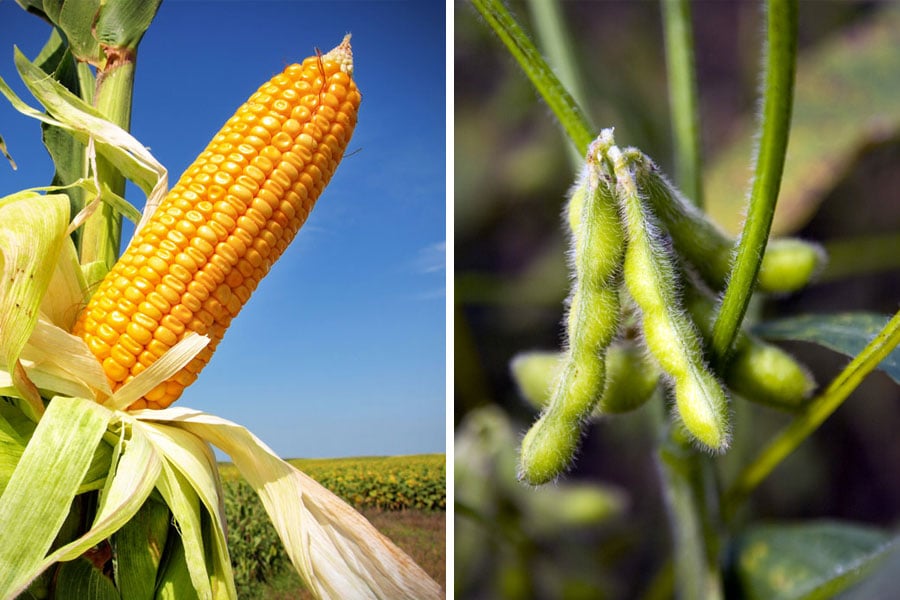
The [NAME] includes a diverse range of sources, including peer-reviewed research articles, extension and advisory publications, handbooks, factsheets, and diagnostic and plant tissue testing resources, recognizing that important micronutrient management knowledge is generated through both scientific research and professional practice.
Only records determined to be relevant to Ontario production systems are included in the [NAME]. Ontario relevance was assessed using predefined criteria based on continental glaciation history, similar climate and corn and soybean production systems.
The [NAME] covers the nine micronutrients currently recognized as essential for corn and soybean production: boron, chlorine (chloride), cobalt, copper, iron, manganese, molybdenum, nickel, and zinc.
Each record included in the [NAME] has been systematically coded using a standardized evidence extraction framework that captured study characteristics, geographic location, crop, micronutrient(s), intervention method, reported outcomes, document type, study type, and key findings. This standardized structure enables users to efficiently search, filter, and compare evidence across multiple dimensions while maintaining complete traceability to the original source documents.
The [NAME] is intended to support researchers, agronomists, crop advisors, extension specialists, government agencies, commodity organizations, farmers, and policy makers seeking reliable, Ontario-relevant evidence. Users can rapidly locate information related to specific micronutrients, diagnostic approaches, critical soil and tissue testing considerations, micronutrient interactions, crop responses, application practices, and agronomic, economic, and environmental outcomes. By consolidating dispersed knowledge into a single searchable resource, the [NAME] reduces the time required to identify relevant evidence while improving transparency and consistency in evidence-informed decision making.
Financial support provided by:


Collection
Absorption and mobility of foliar-applied boron in soybean as affected by plant boron status and application as a polyol complex
In the present study (i) the impact of plant Boron (B) status on foliar B absorption and (ii) the effect of B complexation with polyols (sorbitol or mannitol) on B absorption and translocation was investigated. Soybean ( Glycine max (L.) Meer.) plants grown in nutrient solution containing 0 µM, 10 µM, 30 µM or 100 µM B labelled boric acid (BA) were treated with 50 m MB labelled BA applied to the basal parts of two leaflets of one leaf, either pure or in combination with 500 m M sorbitol or mannitol. After one week, B concentrations in different plant parts were determined. In B deficient leaves (0 µM B), B absorption was significantly lower than in all other treatments (9.7% of the applied dose vs. 26%-32%). The application of BA in combination with polyols increased absorption by 18-25% as compared to pure BA. The absolute amount of applied B moving out of the application zone was lowest in plants with 0 µM B supply (1.1% of the applied dose) and highest in those grown in 100 µM B (2.8%). The presence of sorbitol significantly decreased the share of mobile B in relation to the amount absorbed. The results suggest that B deficiency reduces the permeability of the leaf surface for BA. The addition of polyols may increase B absorption, but did not improve B distribution within the plant, which was even hindered when applied a sorbitol complex.
An analysis of selection on candidate genes for regulation, mobilization, uptake, and transport of iron in maize
Insufficient iron (Fe) availability, which frequently occurs in soils with high pH levels, can lead to leaf chlorosis, a reduced Fe content in harvest products, and yield reduction in maize. The objectives of this study were ( i) to describe patterns of sequence variation of 14 candidate genes for mobilization, uptake, and transport of Fe in maize, as well as regulatory function on these processes; ( ii) to examine whether Fe-efficiency is an adaptive trait by determining if these genes were targets of selection during domestication; and ( iii) to test if the allele distribution at these candidate genes is different for the different subpopulations of maize. The nucleotide diversity of Mtk was reduced by 78% in maize compared with teosinte. The results of our study revealed for the genes Naat1, Nas1, Nramp3, Mtk, and Ys1 a selective sweep, which suggests that these genes might be important for the fast adaptation of maize to new environments with different Fe availabilities.
Ammonium fertilization enhances nutrient uptake, specifically manganese and zinc, and growth of maize in unlimed and limed acidic sandy soil
Although NH4+ fertilization is known to acidify rhizosphere and enhance nutrient uptake, the effects on a nutrient-sufficient acidic soil amended with lime are not demonstrated. Thus, the influence of NH4+ fertilization of an unlimed and limed (3 g calcium carbonate per kg soil) acidic soil on the nutrient uptake and growth of maize was studied in comparison to NH4NO3 fertilization. The pH of limed rhizosphere soil was about two units higher than that of the unlimed soil. The maize plants were grown in pots under greenhouse conditions for about two months. The results showed that the pH of the NH4+-fertilized unlimed and limed soil was 0.54 and 0.15 units lower than the NH4NO3-fertilized soil. Liming negatively affected shoot and root dry matter production, whereas the NH4+-fertilized plants produced higher dry matter than the NH4NO3-fertilized plants, with significant difference of 28% in the limed soil only. Liming decreased Fe concentration in rhizosphere soil from 99 to 69 mg kg(-1) and decreased plant-available Mn the most (71%), whereas the NH4+-fertilized unlimed and limed soil had 48% and 21% higher Mn concentration than the respective NH4NO3-fertilized soils. Similarly limed rhizosphere soil had 50% lower plant-available Zn concentration than the unlimed soil, and the NH4+-fertilized soil had an 8% higher Zn concentration than the NH4NO3-fertilized unlimed soil. The liming negatively affected P, K, Mn, and Zn concentrations and contents in maize shoot to a lower degree in the NH4+-fertilized soil, whereas the positive effect of NH4+ on the nutrient concentration and contents was vigorous in the unlimed soil than the limed soil. It is concluded that NH4+ fertilization could be beneficial in enhancing nutrient uptake and growth of maize in both acidic and alkaline soils, despite the higher inherent plant-available concentrations of the nutrient in soil.
Appropriate agro-environmental strategy for ZnO-nanoparticle foliar application on soybean
Although the nanoparticle (NP) utilization in agronomy is currently orientated to intensify crop yield, the potential negative effects on soil and plant reproductive organs, including effects on pollen are largely absent in the literature. For this reason, our study was set to evaluate the impact of ZnO nanoparticles (ZnO-NPs) on the selective properties of Fluvisol, on the direct microbial activity and zinc (Zn) phytoavailability, and crop yield after their foliar application on soybean [Glycine max (L.) Merril] under field conditions. Additionally, the potential hazardous impact to plant reproductive structures was evaluated, focusing on the agronomically and environmentally sensitive biomarker - pollen viability. The soil biological activity was evaluated through microbial respiration while Zn phytoavailability was determined using reaction agents with nutrients analysis conducted through flame atomic absorption spectroscopy (F-AAS). Pollen viability was evaluated using the iodine potassium iodide (IPI) test. The experiments were carried out at an experimental site of the Faculty of Agrobiology and Food Resources (FAFR) at the Slovak University of Agriculture (SUA) in Nitra, located in Central Europe, during the 2023 vegetation season. Depending on increasing concentrations of ZnO-NPs through order of 1.4, 14, and 140 mg·L-1, revealed no harmful effect on soil microbial activity or hazardous Zn accumulation in the context of its Fluvisol-phytoavailable distribution compared to NPs-free control. A positive impact on soybean pollen viability was observed at all applied ZnO-NP concentrations compared to the NP-free control. The highest pollen viability, reaching up to 97.04%, was achieved at a concentration of 1.4 mg·L-1, and, subsequently, it slightly decreased with increasing concentrations of ZnO-NPs. Moreover, the application of ZnO-NPs had a positive impact on soybean weight of thousand seeds and seed yield, where it's the highest concentration was the most effective. Thus, our results directly demonstrate the positive efficiency on selective properties of soil and reproductive structure - pollen, where ZnO-NP spray application acted positively and stimulatingly. Additionally, ZnO-NPs had positive impact on weight of thousand seeds (TSW) and seed yield. Therefore, the use of nanoparticles in foliar applications could be considered as kind of novelty in precision and sustainable agriculture.
Arbuscular mycorrhiza alters maize zinc uptake differentially from nano- vs. bulk-ZnO particles
The increasing application of nanotechnology and beneficial microbiomes in agriculture highlights the need to understand the role of arbuscular mycorrhiza fungi (AMF) in the uptake and distribution of nanoparticles (NPs) in host plants. In this study, we investigated the effects of different ZnO particle sizes (NPs and bulk) and concentrations (0, 200, 400, and 800 mg/kg) on zinc uptake by maize (Zea mays) grown with or without AMfungus Funneliformis mossae. Our results showed that neither ZnO particle form nor AMF presence significantly affected maize shoot biomass. However, 200 mg/kg ZnO concentration in both bulk and NPs, enhanced root biomass, indicating a concentration-dependent effect of Zn on plant growth. 800 mg/kg ZnO, regardless of particle size, reduced AMF colonization by 16.6 % (bulk) and 22.1 % (NPs) compared to the control, demonstrating a negative impact of elevated Zn on the plant-AMF symbiosis. Interestingly, despite reduced colonization, AMF external hyphal length increased in the 400 and 800 mg/kg ZnO NP treatments, suggesting that the utilization of AMF hyphae represents a potential strategy to reduce Zn toxicity. Analysis of Zn concentrations revealed that, in the absence of AMF, shoot Zn concentrations were 28 % higher in plants treated with bulk ZnO as compared to ZnO NPs, whereas this difference between ZnO forms disappeared in the presence of AMF. Moreover, AMF inoculation decreased Zn concentrations in roots for both bulk and NPs treatments, while in shoots, AMF reduced Zn concentration by 52 % in the bulk treatment across all concentrations, highlighting the protective role of AMF against heavy metal toxicity. These findings demonstrate that Zn uptake and distribution in maize depend on ZnO particle size and are strongly influenced by AMF. The observed changes in external hyphal length further suggest that this parameter should be considered in future studies on plant-AMF-NPs interactions.
Biochar properties and soil type drive the uptake of macro- and micronutrients in maize (Zea mays L.)
The use of biochar in agriculture is a promising management tool to mitigate soil degradation and anthropogenic climate change. However, biochar effects on soil nutrient bioavailability are complex and several concurrent processes affecting nutrient bioavailability can occur in biochar-amended soils. In a short-term pot experiment, the concentration of N, P, K, S, Ca, Mg, Cu, Zn, Mn, B, Fe, and Na in the shoots of maize grown in three different soil types [sandy soil (S1), sandy loam (S2), and sandy clay loam (S3)] was investigated. The soils were either unamended or amended with two different biochars [wheat straw biochar (SBC) or pine wood biochar (WBC)] at two P fertilizer regimes (?/+ P). We used three-way ANOVA and Principal Component Analyses (PCA) of transformed ionomic data to identify the effects of biochar, soil, and P fertilizer on the shoot nutrient concentrations. Three distinct effects of biochar on the shoot ionome were detected: (1) both biochars added excess K to all three soils causing an antagonistic effect on the uptake of Ca and Mg in maize shoots. (2) Mn uptake was affected by biochar with varying effects depending on the combined effect of biochar and soil properties. (3) WBC increased maize uptake of B, despite the fact that WBC increased soil pH and added additional calcite to the soil, which would be expected to reduce B bioavailability. The results of this study highlight the fact that the bioavailability of several macro and micronutrients is affected by biochar application to soil and that these effects depend on the combined effect of biochar and soils with different properties.
Biofortification of maize grains with micronutrients by enriched biomass of blackcurrant seeds
Effect of the application of blackcurrant seed post-extraction residues (BS) enriched via biosorption with Zn(II), Mn(II) and Cu(II) was examined in field tests on maize. As a nominal dose (100%), 2.5 kg of zinc, 1 kg of manganese and 0.5 kg of copper per hectare, were applied. The preparation was applied, also, in higher doses (150%, 200%). Crop yield and quality were assessed and multielemental analysis of grains was conducted. Grain yield obtained for maize treated with different doses of micronutrients (7.3 and 7.2 Mg ha(-1) for BS 100% and BS 200%, respectively) was higher than in control group (6.2 Mg ha(-1)) and similar to a commercial reference product (7.1 Mg ha(-1)). Bioavailability of micronutrients from BS was shown to be higher than from reference commercial fertilizer. The highest content of micronutrients delivered to plants was observed for groups fertilized with BS in nominal dose of micronutrients (1.79, 7.08 and 28.55 mg kg(-1) for Cu, Mn and Zn, respectively). The content of each micronutrient was 5.6% (Cu) 12.1% (Mn) and 12.6% (Zn) higher than in untreated group and 8.9% (Cu) 9.7% (Mn) and 8.7% (Zn) higher than commercial reference micronutrient fertilizer. New biocomponents are cheap and biodegradable carriers of nutrients which can be released in controlled way.
Boron deficiency responses in maize (Zea mays L.) roots
Background Aims Methods Results Conclusions Boron (B) is an essential micronutrient for plants. Dicot plants respond to insufficient B supply by altering root architecture and root hair growth. How root systems of rather low-B demanding monocot species such as maize (Zea mays L.) respond to B deficiency in terra has not been experimentally resolved, yet.The study aims to investigate root responses and their physiological consequences under B deficiency during the vegetative growth of maize.B73 wild-type (WT) maize and its root hairless rth3 mutant were grown under varying B supply conditions in soil columns and in an automated root phenotyping facility. Biomass data, root system architecture traits, the mineral elemental composition and molecular B-deficiency responses were quantified.Though having very low leaf B concentrations, no major growth deficit, apart from chlorotic stripes on leaves, was recorded on maize root and shoot development, with or without root hairs, on B-deficient conditions. Although leaf B concentration of the rth3 mutant is significantly lower under B-deficient and under B-surplus conditions compared to the WT, the rth3 mutant neither developed a larger total root length, more fine roots nor displayed a higher expression of B uptake transporters as compensatory adaptations.Strikingly, maize plants did neither react with an inhibited root growth nor by a compensatory root foraging behaviour to severe B-deficient in terra growth conditions. This is rather atypical for plants. The performance and altered leaf B concentrations of rth3 mutants may be biased by secondary effects, such as an overall reduced root growth.
Boron foliar fertilization of soybean and lychee: Effects of side of application and formulation adjuvants
Experiments to assess the rate of absorption and translocation of foliar-applied, isotopically labeled boric acid (BA) were carried out with lychee (Litchi chinensis Sonn.) and soybean (Glycine max [L.] Merr.) plants. Boron (B) absorption and translocation within the plant, one week after treatment, was investigated after adding to the boric acid (BA solutions 0.5 mM CaCl2 and/or 50 or 500 mM sorbitol). The contribution of stomata to the absorption process was assessed by applying the solutions either to the adaxial or to the abaxial leaf side. Both plant species differed greatly in total absorption rates. The adaxial leaf surface (lacking stomata) of lychee leaves was nearly impermeable, while the stomatous abaxial surface was permeable to BA solutions. In this species, no translocation of 10B to other leaf parts and no effect of adjuvants in increasing 10B absorption were recorded. In contrast, 10B was absorbed both by adaxial and abaxial leaf surfaces of soybean leaves. Boron concentrations measured in treated soybean leaves were sixfold higher after application to the abaxial as compared to the adaxial leaf surface. The addition of adjuvants significantly enhanced the rate of 10B absorption, but not its translocation within the plant. Treatments containing 500 mM sorbitol led to increased 10B absorption and enhanced acropetal 10B movement, whereas adding only 50 mM sorbitol had no significant effect. Application of 0.5 mM CaCl2 in combination with 500 mM sorbitol decreased the rate of 10B absorption, compared to the performance of 500 mM sorbitol alone. Basipetal 10B translocation was very limited. A distinct effect of B-sorbitol complexes on B translocation apart from the pure adjuvant effect could not be discerned in this investigation.
Boron for Minnesota soils
This paper evaluates boron management for crops in Minnesota, detailing specific findings for corn and soybean production. Boron is immobile in both corn and soybean, meaning deficiency symptoms appear first on the youngest leaves. In corn, boron deficiency causes short and bent cobs, barren stalks, poor kernel development, elongated watery stripes that turn white on new leaves, and dead growing points. Boron sufficiency range for corn whole tops less than 12? tall and base of ear at initial silk all is 5-25 ppm. In soybean, deficiency symptoms involve yellowing leaves, curling leaf tips, interveinal chlorosis, tip dieback, stunted roots, and stopped flowering. Both crops are classified as having a small response potential to boron. Boron sufficiency range for corn whole tops less than 12? tall and base of ear at initial silk all is 5-25 ppm. For soybean (trifoliate leaves) at early flowering, boron sufficiency range is 20-60 ppm. Field experiments across Minnesota demonstrated that boron fertilizer applications produced no grain yield increases in corn, showing that standard soil boron tests are unreliable predictors for corn. Similarly, multi-location trials on soybeans found that although boron application elevated tissue concentrations above sufficiency thresholds, grain yields did not increase at any site and actually decreased at two locations. Furthermore, soybeans exhibit high sensitivity to boron toxicity, which manifests as leaf yellowing and marginal scorching. Consequently, B fertilizer should not be applied to soybean, regardless of soil test recommendations. to prevent toxicity risks.
CDDP profiles and selected WRKY genes expression response to zinc dioxide nanoparticles foliar application in Glycine max L.
Background: Zinc is a vital trace element required by plants for numerous cellular activities. Application of nano-fertilizers in the form of Zn-O nanoparticles was evaluated in this study to describe the changes in CDDP fingerprints and selected WRKY genes expression in two Glycine max L. varieties. Methods: Foliar dispersions of ZnO nanoparticles were applied by handheld sprayer with the nanoparticle concentrations 1.4 mg L-1, 14 mg L-1 and 140 mg L-1 plus control plants. Four primer combinations of conserved parts of plant WRKY genes were used in CDDP fingerprinting and four WRKY genes were evaluated for their expression changes. Result: Polymorphic CDDP profiles were generated for three primer combination. No unique amplicons were obtained, but the generated fingerprint profiles differ in control plants of both varieties. The ability of used primer combinations to detect polymorphism was comparable only for combinations F1R2b and F1R3a. No significant changes of expression were obtained in the case of 1.4 mg L-1 foliar application of ZnO nanoparticles for WRKY11, WRKY106 and WRKY149 genes. The highest applied concentration of ZnO nanoparticles resulted in the relevant upregulation of all the analysed WRKY genes with the values from 5 times (Adelfia, WRKY 90) up to the 80 times (Mentor, WRKY 106).
Characterizing short and long term iron stress responses in iron deficiency tolerant and susceptible soybean (Glycine max L. Merr.)
Nutrient deficiencies limit growth and yield in many different crop species. The calcareous soils in the upper Midwestern United States favor the development of iron deficiency chlorosis (IDC) in soybean (Glycine max L. Merr.). Even minor symptoms result in end of season yield loss. To identify molecular pathways and networks underlying tolerance to iron deficiency stress in soybean, we leveraged two near isogenic lines (Clark and Isoclark) that differ in their tolerance to iron stress. Clark and Isoclark were grown in hydroponics in one of three treatments: iron sufficient media for ten days, iron deficient media for ten days, or iron sufficient media for eight days followed by transfer to iron deficient media for two days. Following phenotyping, plant tissues were harvested for RNA-seq analysis. To facilitate analyses, we clustered differentially expressed genes across genotypes and timepoints in both roots and leaves. With this experimental design, we could identify iron stress response differences between Clark and Isoclark, evaluate the impact of iron stress duration, and link expression clusters with discrete biological functions and the transcription factor families that regulate them. We identified thousands of differentially expressed genes associated with soybean stress tolerant responses including the cell cycle, gene silencing, iron acquisition, and defense. In Clark, the number of differentially expressed genes and magnitude of expression increased with increasing iron stress duration. In contrast, Isoclark decreased the number and magnitude of differentially expressed genes across time. Differences in gene expression corresponded to phenotypic differences. The shifting expression patterns between timepoints and tissues suggests novel mechanisms for iron stress signaling between source and sink tissues.
Changes in the uptake of Cu, Zn, Fe and Mn by dent maize in blue lupin/spring oat strip cropping system
Strip cropping is a form of intercropping used in both tropical and temperate climate zones. Maize is a species often grown in strip cropping, because it responds to the edge effect with a substantial increase in yield. In the experiment, strip cropping of maize with blue lupin and oat was compared to sole cropping of maize in the conditions of mechanical and chemical weed control. A field experiment was conducted in 2008-2010 at the Experimental Station in Zamość, University of Life Sciences in Lublin (50°42' N, 23°6' E). The study examined the effects of the cropping method and weed control methods on the content of copper (Cu), zinc (Zn), iron (Fe) and manganese (Mn) in maize biomass and their uptake by maize. The impact of the position of the row in the strip and of the adjacent plant species on the content and uptake of these micronutrients was analysed as well. Strip cropping significantly increased Zn and Fe content in maize biomass, reduced Mn content, and did not significantly affect the accumulation of Cu. In the strip cropping, interspecific facilitation between neighbouring plant species was also observed. Placement adjacent to the oat strip contributed to higher Cu content in the maize, while placement next to blue lupin increased the content of Fe and Zn. The highest Mn content was noted in maize grown in the centre row. The results indicate that appropriate selection of plant species for strip cropping can affect the chemical composition of the plants. This makes it possible to eliminate or mitigate mineral deficiencies in the plants.
Common fertilizers used in corn production
Chlorine can be applied with potassium chloride (0-0-60), which is 47% chloride, ammonium chloride (NH4Cl), calcium chloride (CaCl2), and magnesium chloride (MgCl2). In many situations, compound fertilizers are applied to soils.
Comparison of field management strategies for preventing iron deficiency chlorosis in soybean
Iron deficiency chlorosis (IDC) is a serious management issue for soybean [Glycine max (L.) Merr.] grown on calcareous soils. Strip trials were established on calcareous Mollisols to study the effects of Fe-ethylene diamine-N,N'-bis (hydroxy phenyl) acetic acid (EDDHA) in-furrow (IF-Fe) and of an oat (Avena sativa L.) companion crop on two soybean varieties either tolerant or susceptible to IDC. The severity of IDC varied from low to severe within sites. The susceptible variety produced the highest yield in the absence of IDC. In-furrow Fe increased the yield of a variety susceptible to IDC under moderate to severe IDC. The oat companion crop increased yield consistently for the susceptible variety under severe IDC and sometimes reduced yield when oat grew beyond 25 cm in height. The tolerant variety without IDC management produced yields similar to those of the susceptible variety with IF-Fe or an oat companion crop. Oat reduced trifoliate nitrate N and Fe concentration regardless of IDC severity. Trifoliate Fe concentration lowered with IF-Fe, but only when oat was not planted. Grain protein and oil concentration were affected by variety, but were not affected by IDC management. Soil test factors such as soil organic matter (SOM), pH, electrical conductivity (EC), or diethylene triamine phentaacetic acid Fe (Fe-DTPA) were poor predictors of the severity of IDC. Variety selection is the most important strategy for lessening the severity of IDC. In-furrow application of Fe-EDDHA provides a solution for mitigating moderate to severe IDC and provides less risk than an oat companion crop.
Comparing early transcriptomic responses of 18 soybean (Glycine max) genotypes to iron stress
Iron deficiency chlorosis (IDC) is an abiotic stress that negatively affects soybean (Glycine max [L.] Merr.) production. Much of our knowledge of IDC stress responses is derived from model plant species. Gene expression, quantitative trait loci (QTL) mapping, and genome-wide association studies (GWAS) performed in soybean suggest that stress response differences exist between model and crop species. Our current understanding of the molecular response to IDC in soybeans is largely derived from gene expression studies using near-isogenic lines differing in iron efficiency. To improve iron efficiency in soybeans and other crops, we need to expand gene expression studies to include the diversity present in germplasm collections. Therefore, we collected 216 purified RNA samples (18 genotypes, two tissue types [leaves and roots], two iron treatments [sufficient and deficient], three replicates) and used RNA sequencing to examine the expression differences of 18 diverse soybean genotypes in response to iron deficiency. We found a rapid response to iron deficiency across genotypes, most responding within 60 min of stress. There was little evidence of an overlap of specific differentially expressed genes, and comparisons of gene ontology terms and transcription factor families suggest the utilization of different pathways in the stress response. These initial findings suggest an untapped genetic potential within the soybean germplasm collection that could be used for the continued improvement of iron efficiency in soybean.
Comparing high- and low-input management on soybean yield and profitability in Michigan
Increased commodity prices, commercial marketing, and convenience have encouraged soybean [Glycine max (L.) Merr.] producers to adopt high-input management systems for maximum grain yield regardless of soil or plant tissue nutrient concentrations, soil physical properties, or disease pressure. A three site-year trial was established in Michigan to investigate soybean grain yield and profitability in response to commonly recommended inputs, including poultry litter (PL), potassium thiosulfate (KTS), foliar micronutrient, and fungicide applications across intensive (i.e., high-input) and traditional (i.e., low-input) management systems. Across all site-years, intensive management did not significantly increase soybean grain yield compared with traditional management. No single input applied significantly increased grain yield as suggested by an absence of visible nutrient deficiencies and minimal foliage disease in either growing season. In addition, traditional management significantly increased producer economic net return by an average of $203/acre. Potassium thiosulfate significantly decreased net return in one of three site-years while PL significantly decreased net return in all three site-years due to a lack of positive yield response and high individual input costs. Data suggest limited potential for intensive management systems to increase soybean grain yield and profitability without the presence of yield-limiting factors (e.g., disease pressure and nutrient deficiencies). Practitioners should consider site-specific soil properties and the likelihood of a grain yield response prior to broad-scale implementation of soil fertility and plant nutrition programs.
Content and uptake of microelements (Cu, Zn, Mn, Fe) by maize (Zea mays L.) and accompanying weeds
A field experiment was conducted in the years 2008 2010 at the Research Station of the Faculty of Agricultural Sciences, University of Life Sciences in Lublin, on brown soil with slightly acidic pH and average abundance of copper, zinc, manganese, and iron. The experiment was set up in a randomized split-plot design with four replications, with two methods for controlling weed infestation: I. mechanical - weeding of inter-rows twice; II. chemical - the herbicide Afalon Dyspersyjny 450 SC, directly after sowing (a.i. linuron, 900 g x ha(-1)).Next, the copper, zinc, manganese and iron content were determined in the maize and dominant weed species. Nutrient uptake from an area of 1 ha and the species specificity coefficient (SSC) were also calculated. All the weed species examined contained more copper in their biomass than maize, but their percentage share in total uptake was small, on average 1.7%. The content of zinc in maize biomass and in the segetal species was similar, except for Cirsium arvense L. which accumulated considerably less zinc than maize as well as the other weed species. The percentage share of weeds in zinc uptake was only 1.4 % of total uptake of this nutrient by the maize crop. Competitiveness of weeds in the accumulation of manganese and iron showed high species specificity. Chenopodium album L. and Galinsoga parviflora Cav, were the most competitive in accumulating manganese, while Cirsium arvense L. showed high ability to accumulate iron, considerably much higher than maize and other weeds species. The share of weeds in total manganese uptake was relatively large, on average 7.2% for the experiment.
Comparison of the effectiveness of applications of mineral fertilisers and digestate from a biogas station on yields, content of dry matter and micronutrients in the aboveground biomass of maize (Zea mays L.)
In a one-year vegetation pot experiment we compared the effect of digestate from a biogas station and mineral fertilisers on yields of the total aboveground biomass and content of selected microelements: zinc (Zn), manganese (Mn), copper (Cu), iron (Fe) of silage maize, 'Atletico' variety. Five treatments were used in the trial: 1) untreated control, 2) urea, 3) digestate during vegetation, 4) urea, triple superphosphate, KCl, MgSO4, 5) digestate before sowing. The nitrogen (N) rate was the same in treatments 2-5, 3.0 g N to pot. In treatment 4 the phosphorus (P), potassium (K) and magnesium (Mg) rates corresponded to those supplied in the digestate treatments (3 and 5). The dry matter weight of the total above ground biomass of one harvested plant (g) in treatments 1-5 was respectively as follows: 8.9 a; 27.1 c; 22.6 b; 33.0 d; 26.4 c (different letters indicate significant differences among treatments). The dry matter content of the aboveground biomass (%) for the respective treatments was as follows: 23.8 b; 24.7 b; 22.8 a; 22.7 a; 24.1 b. The content of micronutrients in the aboveground biomass fluctuated irregularly; however it was higher in all the fertilised treatments than in the control. It is true that the digestate (based on the date of application) yields were lower than the mineral fertiliser NPKMg (4) treatment; nonetheless applying digestates saves financial costs for the purchase of mineral fertilisers.
Content of minerals in soybean seeds as influenced by farming system, variety and row spacing
Soybean is a important source of protein and fat in the food and animal feed industries. Moreover, soybean also contains many other compounds, including minerals, which are beneficial for health and reduce the risk of many diseases. This study was conducted at the Czes-awice Experimental Farm near Lublin (51°18'23\" N, 22°16'02\" E) in 2016. The soil on which the experiment was set up belongs to typical Luvisols. It was characterized by high phosphorus and potassium availability as well as very high magnesium availability. The aim of the present study was to determine the effect of cultivation (organic and conventional system) and row spacing (22.5 cm and 35 cm) on the level of minerals in seeds of two soybean varieties: Aldana and Merlin. The study was conducted using a split-plot design, in three replicates. Seeds were sown on May 5, whereas harvest was carried out on September 5, 2016. After seeds were harvested, the content of the following major minerals was determined in them: phosphorus, potassium, magnesium, calcium, molybdenum, manganese, copper and nickel. Variety Aldana seeds were characterized by a significantly higher content of potassium and copper, while in var. Merlin seeds the calcium concentration was higher. The contents of phosphorus, potassium, calcium, copper and nickel were found to be significantly higher in conventional system grown soybean seeds. Seeds of soybean grown at a row spacing of 22.5 cm contained more copper and nickel. Row spacing was not found to significantly affect the macronutrient content in the studied material.
Content of micronutrients in grain and straw of common maize fertilized with urea-ammonium nitrate solution with added P, Mg or S
A field experiment was conducted in 2015-2017, in the Production and Experimental Station located in Balcyny (51.6667 degrees N, 18.1667 degrees E). The surface area of a plot for harvest was 450 m(2). The following nitrogen fertilizers were applied in the experiment: UAN - 32%N, UAN+S - 26% N + 3% S, UAN+P (medium) - 26% N and 11% P2O5, UAN+P (starter) - 21% N and 18% P2O5, UAN+Mg - 20% N + 4% Mg. It has been demonstrated that the content of micronutrients in maize grain is modified more by the atmospheric conditions (year of cultivation) than by the tested fertilization. The highest content of Zn, Mn and B was determined in the grain harvested in the second year of the experiment, when total rainfall was slightly higher than the long-term average. In turn, when the rainfall was deficient in the first year, maize contained the highest levels of Cu and Fe. Fertilization had no effect on the content of copper and manganese in grain, while nitrogen fertilization lowered the content of B and Fe. The content of micronutrients in maize straw also depended on the year of cultivation and the relationships looked similar. Concentrations of B, Cu, Zn, Mn and Fe in maize straw were differentiated more by the applied fertilization. Significantly the highest amounts of B, Cu, Zn, Mn and Fe were removed with the maize aerial mass in 2016, when the meteorological conditions favoured the growth of this plant. The unit uptake of micronutrients for the production of 1 t of grain was also more considerably affected by the weather conditions than by the applied fertilization. The contribution of grain to the accumulation of micronutrients varied significantly between the years, and ranged for particular elements as follows: B - from 35 to 44%, Cu - from 28 to 34%, Zn - from 42 to 52%, Mn - from 7 to 13% and Fe - from 15 to 17%.
Copper and manganese acquisition in maize (Zea mays L) under different P and K fertilization
The paper demonstrates the influence of different mineral fertilization with phosphorus and potassium on the concentration of copper (Cu) and manganese (Mn) in the ear leaf of maize at the stage of flowering (BBCH 65) as well as the contents and accumulation of the nutrients studied in maize when fully ripe (BBCH 89). A single factor experiment was carried out in 5-year-cycle (2007-2011), in the randomized complete block design. The experiment was conducted as a part of a long-term stationary trial. The investigation comprised 8 different P and K treatments: the absolute control, exclusive of one of the main nutrients (P - WPN or K - WKN), reduced amount of phosphorus and potassium (to 25% - W25 and to 50% WP50, WK50) as well as recommended amounts of basic nutrients (NPKMg - W100 and NP*KMg, P* - P* as PAPR - W100 PAPR). Evaluation of the nutriational status, performed in the ear leaf of maize at flowering stage, showed that regardless of fertilization treatment applied, the concentration of copper was lower than normative values, whereas that of manganese ranged within the optimal scope. At the same time, there was found a significant relationship between the grain yield obtained and acquisition of both copper and manganese by maize at flowering stage (stronger for manganese, r = 0.614). The total accumulation of copper and manganese in fully ripe maize was significantly differentiated as a result of mineral fertilization. The total uptake of Cu and Mn was reduced under the conditions of 10-year lack of P fertilization. Uptake reduction was considerably more advanced when K fertilization was absent for 10 years. Regardless of the experimental factor effects, more than 50% of the total copper uptake was accumulated in grain, whereas the majority of manganese was accumulated in maize leaves (50-64% of the total uptake). Correlation analysis showed a significant relationship between maize grain yield and the total accumulation of copper, whereas that of manganese was observed only in 3 of 8 treatments tested (WPN, WP50 and W100 as PAPR).
Copper for crop production
Copper is required for many enzymatic activities in plants and for chlorophyll and seed production. Most Minnesota soils supply adequate amounts of copper for crop production. However, copper deficiency can occur in high organic matter and sandy soils. The amount of copper available to plants varies widely among soils. Copper in the soil is held with clay minerals as a cation and in association with organic matter. Copper deficiencies often occur in soils with peaty soils and high concentrations of organic matter. Sandy-textured soils are more likely to be copper deficient than loams and clays. Soils that contain greater amounts of oxides and carbonates tend to have low available copper. Soils with a pH of 7.5 or greater should be monitored when crops sensitive to copper are grown. In corn, copper deficiency first appears on new leaves as they come out of the whorl and develop a bluish green tint. New leaves may emerge from the whorl as spiraled. Necrosis may occur on older leaf-tips and edges and may die. Corn response to copper has not been documented in Minnesota. Corn is only moderately sensitive to copper deficiency. Copper deficiency is rare in soybeans. Soybean response to copper has not been verified in Minnesota. Use soil and plant tissue tests on organic soils to determine deficiencies and need for fertilizer. Copper can be broadcast or incorporated before planting and can also be applied as a mixture with other fertilizers. Copper is not recommended for mineral soils in Minnesota, due to lack of research. Copper sulfate is the preferred source of copper fertilizer because of low cost compared to chelated sources. Copper use efficiency is improved if the fertilizer is water soluble and the particle size of the fertilizer is small. A single application of copper can last for many years. There is a narrow range between copper deficiency and toxicity. Copper toxicity can persist for an extended period of time and is difficult to correct because of copper-s low solubility in water. Toxic concentration of copper in soil affects seed germination, root system development and plant vigor.
Contrasting rhizosheath formation capacities in two maize inbred lines: Implications for water and nutrient uptake
Background and aims: Rhizosheath, the soil attached to plant roots, may enhance drought resilience by improving water and nutrient uptake. This study evaluates the effects of rhizosheath formation on water and nutrient absorption from soils with different textures and moistures. Methods: Two maize inbred lines R109B (Rh +) and Ky228 (Rh-), known for their distinct rhizosheath formation yet having identical root morphology, were cultivated in loamy sand and loamy soils. When plants were 45 days old, a controlled soil drying cycle was initiated and parameters such as plant transpiration rate (E), leaf water potential ( Ψleaf ), and soil water content/potential were monitored. At the end of soil drying cycle, the total nutrient uptake in the plants' shoots was assessed. Results: Rh + demonstrated a denser rhizosheath, particularly in loamy sand, correlating with increased root hair development. Rh + plants in loamy sand had a 1.73-fold increase in normalized mass rhizosheath compared to loam soil. In moderate moisture, Rh + exhibited improved soil-plant-water relationships, evidenced by higher midday E and Ψleaf in loamy soil than Rh-. However, no significant differences were noted under severe drought between Rh + and Rh-, likely attributed to diminished root hairs functionality. In loamy sand, Rh + plants exhibited 1.5 times higher phosphorus uptake, 1.46 times higher calcium uptake, and 2.02 times higher manganese uptake compared to Rh-. Conclusion: Root hair development is a crucial factor in rhizosheath formation. The efficacy of the rhizosheath in enhancing water and nutrient uptake is significantly influenced by soil texture and moisture conditions.
Corn and soybean yield response to micronutrients in Central Iowa
Methods: Two Iowa State on-farm trials (2012-2014) in central Iowa evaluated B, Cu, Mn, and Zn in corn-soybean rotations on fields with no recent manure or micronutrient history (Webster silty clay loam and Clarion loam). A soil-application trial (six treatments: control; B, Mn, or Zn banded; a banded mixture; a broadcast-incorporated mixture, 4 reps) used NuBor 10 (0.5 lb B/acre banded, 2 lb/acre broadcast), Broadman20 (5 lb Mn/acre), and EZ20 (5 lb Zn/acre). A separate foliar trial (control; B, Cu, Mn, or Zn alone; a four-nutrient mixture) sprayed Max-In Boron/Copper and MicroBolt Zinc/Manganese twice per season (V5/V6 and V8/V10 for corn, R2/R3 for soybean), totaling 0.16 lb B, 0.08 lb Cu, 0.33 lb Mn, and 0.495 lb Zn/acre. Soil B was tested by hot-water method; Cu, Mn, Zn by DTPA and Mehlich-3. Grain was sampled and analyzed for micronutrient concentration. Findings: No statistically significant corn or soybean grain yield increase occurred from any micronutrient applied to soil or foliage in any trial-year (soybean 34.7-58.0 bu/acre; corn 162-234 bu/acre range across trials), though fertilization often raised grain micronutrient concentration. Soil Zn (DTPA) ranged 0.9-6.0 ppm; Iowa's only regional interpretation (deficient below 0.9 ppm for corn) correctly predicted the lack of response. Lack of response to Cu and Mn also matched other states' interpretations, since soil levels exceeded their sufficiency thresholds. For B, only the lowest end of other states' sufficiency range (0.5-2 ppm) could apply to Iowa; using the higher end would have incorrectly predicted a response in some site-years. Conclusion: regional soil-Zn interpretations for corn remain reliable, but B, Cu, and Mn interpretations from outside Iowa should be applied cautiously.

