[NAME]
Welcome to the [NAME], a searchable collection of research and extension information relevant to micronutrient management for corn and soybean production in Ontario. Developed through a rigorous systematic mapping process, the [NAME] holds 126 Ontario-relevant records published between 2010 and 2025, providing a curated collection of the latest scientific evidence most applicable to Ontario's corn and soybean sectors.
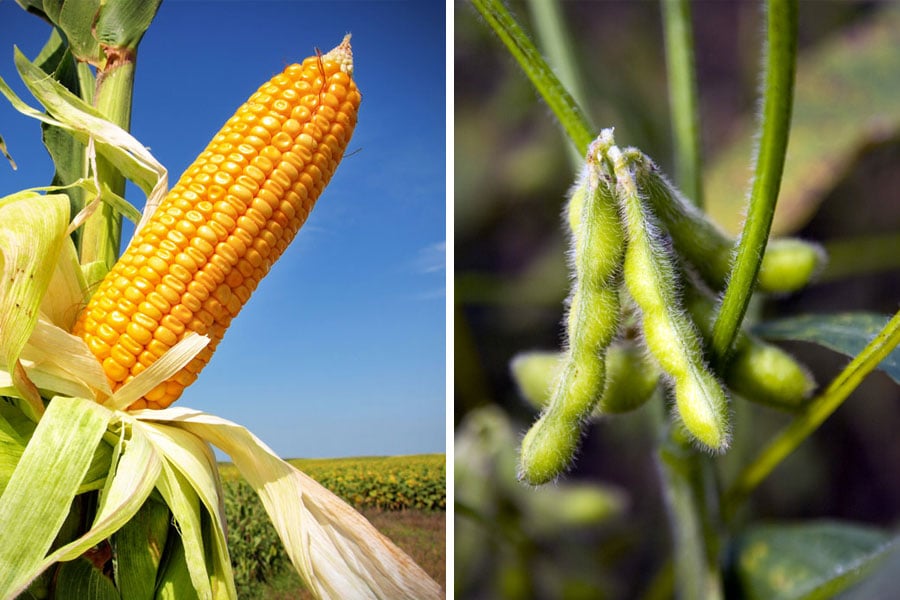
The [NAME] includes a diverse range of sources, including peer-reviewed research articles, extension and advisory publications, handbooks, factsheets, and diagnostic and plant tissue testing resources, recognizing that important micronutrient management knowledge is generated through both scientific research and professional practice.
Only records determined to be relevant to Ontario production systems are included in the [NAME]. Ontario relevance was assessed using predefined criteria based on continental glaciation history, similar climate and corn and soybean production systems.
The [NAME] covers the nine micronutrients currently recognized as essential for corn and soybean production: boron, chlorine (chloride), cobalt, copper, iron, manganese, molybdenum, nickel, and zinc.
Each record included in the [NAME] has been systematically coded using a standardized evidence extraction framework that captured study characteristics, geographic location, crop, micronutrient(s), intervention method, reported outcomes, document type, study type, and key findings. This standardized structure enables users to efficiently search, filter, and compare evidence across multiple dimensions while maintaining complete traceability to the original source documents.
The [NAME] is intended to support researchers, agronomists, crop advisors, extension specialists, government agencies, commodity organizations, farmers, and policy makers seeking reliable, Ontario-relevant evidence. Users can rapidly locate information related to specific micronutrients, diagnostic approaches, critical soil and tissue testing considerations, micronutrient interactions, crop responses, application practices, and agronomic, economic, and environmental outcomes. By consolidating dispersed knowledge into a single searchable resource, the [NAME] reduces the time required to identify relevant evidence while improving transparency and consistency in evidence-informed decision making.
Financial support provided by:


Collection
Gene expression responses to sequential nutrient deficiency stresses in soybean
Throughout a growing season, plants experience a multitude of short periods of various abiotic stresses. These stress events have long-term impacts on plant performance and yield. It is imperative to improve our understanding of the genes and networks underlying plant stress tolerance to mitigate end of season yield loss. The majority of studies examining transcriptional changes induced by stress focus on single stress events. Few studies have been performed to examine the transcriptional response of plants exposed to sequential stress exposure, which better reflects field conditions. In this study, we examine the transcriptional profile of soybean plants exposed to iron deficiency stress followed by phosphate deficiency stress (-Fe-Pi). Comparing this response to previous studies, we identified a suite of genes unique to the novel sequential stress exposure (-Fe-Pi)
Genome-wide association studies identifies seven major regions responsible for iron deficiency chlorosis in soybean (Glycine max)
Iron deficiency chlorosis (IDC) is a yield limiting problem in soybean (Glycine max (L.) Merr) production regions with calcareous soils. Genome-wide association study (GWAS) was performed using a high density SNP map to discover significant markers, QTL and candidate genes associated with IDC trait variation. A stepwise regression model included eight markers after considering LD between markers, and identified seven major effect QTL on seven chromosomes. Twelve candidate genes known to be associated with iron metabolism mapped near these QTL supporting the polygenic nature of IDC. A non-synonymous substitution with the highest significance in a major QTL region suggests soybean orthologs of FRE1 on Gm03 is a major gene responsible for trait variation. NAS3, a gene that encodes the enzyme nicotianamine synthase which synthesizes the iron chelator nicotianamine also maps to the same QTL region. Disease resistant genes also map to the major QTL, supporting the hypothesis that pathogens compete with the plant for Fe and increase iron deficiency. The markers and the allelic combinations identified here can be further used for marker assisted selection.
Genome-wide association analysis identifies candidate genes associated with iron deficiency chlorosis in soybean
Iron deficiency chlorosis (IDC) is a significant yield-limiting problem in several major soybean [Glycine max (L.) Merr.] production regions in the United States. Soybean plants display a variety of symptoms that range from a slight yellowing of the leaf to interveinal chlorosis, to stunted growth that reduces yield. The objective of this analysis was to employ single nucleotide polymorphism (SNP)-based genome-wide association mapping to uncover genomic regions associated with IDC tolerance. Two populations [2005 (n=143) and 2006 (n=141)] were evaluated in replicated, multilocation IDC trials. After controlling for population structure and individual relatedness, and selecting statistical models that minimized false positives, 42 and 88 loci, with minor allele frequency 10%, were significant in 2005 and 2006, respectively. The loci accounted for 74.5% of the phenotypic variation in IDC in2005 and 93.8% of the variation in 2006. Nine loci from seven genomic locations were significant in both years. These loci accounted for 43.7% of the variation in 2005 and 47.6% in 2006. A number of the loci discovered here mapped at or near previously discovered IDC quantitative trait loci (QTL). A total of 15 genes known to be involved in iron metabolism mapped in the vicinity (500 kb) of significant markers in one or both populations.
Genetic variation and quantitative trait loci analysis of the maize ionome in response to phosphorus fertilisation
Improving the nutritional quality of crops is crucial for human health, livestock, and agricultural productivity, especially on nutrient-limited soils. To address this, we investigated the variation and the genetic basis of mineral content, including, among others, calcium, iron, phosphorus, and zinc, in a diverse panel of maize (Zea mays L.) grown across environments. Our results show that genetic variation significantly contributes to differences in mineral content. Genotype-by-environment interaction and environmental factors, such as reduced phosphorus fertilisation, substantially impact the ionome composition, particularly decreasing zinc content and altering grain quality. Correlations between the 12 minerals were mostly positive, with variation observed in mineral composition between tissues and in translocation from vegetative to generative tissue. In addition, elite lines exhibited distinct mineral profiles compared to landraces. Genome-wide association mapping revealed a quantitative inheritance of the minerals and few common quantitative trait loci. Significantly associated markers were found in proximity to candidate genes involved in processes like mineral transport, detoxification and storage, which represent potential targets for marker-assisted selection to improve nutritional quality in maize. In conclusion, our results highlight the temporal and spatial dynamics of the maize ionome as a basis toward its targeted design for future agriculture. Summary statement: In maize (Zea mays L.), significant genetic variation exists for mineral content, with genotype-by-environment interactions influencing the ionome.Phosphorus fertilisation alters mineral profiles, and genome-wide association mapping revealed a quantitative inheritance and common QTL between minerals.
Glyphosate’S effect upon mineral accumulation in soybean
Glyphosate has been demonstrated to reduce the macronutrient and micronutrient content of glyphosate-susceptible (GS) and first generation glyphosate-resistant (GR) or Roundup Ready (RR) soybean, possibly by complexation of the herbicide molecule with the nutrient. The recent release of newer GR soybean cultivars, second generation Roundup Ready 2 Yield (RR2Y), provides growers with newer technology for weed management programs, but it is unclear how the nutrient content of these cultivars is affected by glyphosate in a field setting. The objective of this experiment was to identify the effect of glyphosate on the concentration of macronutrient and micronutrients in RR and RR2Y soybean when grown using standard agronomic practices in Indiana. The macronutrients analyzed were nitrogen, phosphorus, potassium, sulphur, magnesium, and calcium. The micronutrients analyzed were boron, zinc, manganese, iron, copper, and aluminum. Our results indicate that while differences in accumulation of macro and micronutrients exist between the two cultivars tested, there was no consistent effect due to glyphosate treatment. Glyphosate-induced deficiency symptoms observed in previous reports were not observed in this study. Growers should continue to monitor soil nutrient levels to identify and correct nutrient deficiencies.
GmGLU1 and GmRR4 contribute to iron deficiency tolerance in soybean
Iron deficiency chlorosis (IDC) is a form of abiotic stress that negatively impacts soybean yield. In a previous study, we demonstrated that the historical IDC quantitative trait locus (QTL) on soybean chromosome Gm03 was composed of four distinct linkage blocks, each containing candidate genes for IDC tolerance. Here, we take advantage of virus-induced gene silencing (VIGS) to validate the function of three high-priority candidate genes, each corresponding to a different linkage block in the Gm03 IDC QTL. We built three single-gene constructs to target GmGLU1 (GLUTAMATE SYNTHASE 1, Glyma.03G128300), GmRR4 (RESPONSE REGULATOR 4, Glyma.03G130000), and GmbHLH38 (beta Helix Loop Helix 38, Glyma.03G130400 and Glyma.03G130600). Given the polygenic nature of the iron stress tolerance trait, we also silenced the genes in combination. We built two constructs targeting GmRR4+GmGLU1 and GmbHLH38+GmGLU1. All constructs were tested on the iron-efficient soybean genotype Clark grown in iron-sufficient conditions. We observed significant decreases in soil plant analysis development (SPAD) measurements using the GmGLU1 construct and both double constructs, with potential additive effects in the GmRR4+GmGLU1 construct. Whole genome expression analyses (RNA-seq) revealed a wide range of affected processes including known iron stress responses, defense and hormone signaling, photosynthesis, and cell wall structure. These findings highlight the importance of GmGLU1 in soybean iron stress responses and provide evidence that IDC is truly a polygenic trait, with multiple genes within the QTL contributing to IDC tolerance. Finally, we conducted BLAST analyses to demonstrate that the Gm03 IDC QTL is syntenic across a broad range of plant species.
Zinc seed priming improves salt resistance in maize
Abstract: Salt stress is a major yield-limiting factor in crops by reducing nutrient uptake and plant growth. Under salt stress, decreased water and nutrient uptake results in nutrient imbalance in plants. In addition, at high pH in saline conditions, solubility of minerals is also reduced leading to low availability of certain nutrients. Perspectives to overcome these limitations by Zn seed priming were studied with maize plants exposed to NaCl as salt stress. Maize seeds were primed for 24 hr in deionized water and 4 m m ZnSO4·7Hsub2O solution (ZnP) and subsequently air-dried at room temperature before further use. The DTZ (diphenylthiocarbazone) staining method was used for showing Zns2+ localization in the seeds. Zn2+ and other nutrient concentrations in unprimed, water and ZnP seeds and maize plants were analysed by inductively coupled plasma mass spectroscopy (ICP-MS). Maize plants (cv. Sun star L.) were grown for 3 weeks in complete nutrient solution with or without salt stress (100 m m NaCl) under glasshouse conditions. Seed Zn2+ contents were increased after ZnP treatment by 600%. In maize seeds, most of the primed Zn2+ accumulated in the outer tissues (particularly, aleurone layer) of maize seed. Zn priming decreased the injurious effects of salt stress on plant growth. Under salt stress conditions, biomass production of plants from ZnP treatments was 25% higher compared to water priming treatment. Zn seed priming also improved mineral nutrient status of plants grown in both control and salt stress conditions. Plants from ZnP treatments also showed higher accumulation of Na+ in the shoots. This offers perspectives for using Zn seed priming for improving early seedling development and plant nutrient status of maize under salt stress conditions.
Zinc for crop production
This University of Minnesota Extension guide explains how to diagnose and manage zinc nutrition in crops. Zinc is an essential micronutrient required for enzyme activity, carbohydrate, protein, and chlorophyll formation, so deficiency can reduce growth and yield. Zinc availability is influenced by soil conditions, especially cool temperatures, sandy or highly leached soils, low organic matter, erosion, high calcium carbonate, and certain crop rotations. Excessive phosphorus can also induce deficiency in very low-zinc, calcareous soils, although this generally requires unusually high fertilizer rates. Soil testing, particularly the DTPA zinc test, should guide applications. A response is possible below 0.75 ppm and likely below 0.5 ppm. Recommended rates are 5 to 10 pounds per acre broadcast or 1 to 2 pounds banded when tests are low. Corn is among the crops most likely to respond to zinc, particularly when the soil DTPA zinc test is below 0.75 ppm, and especially below 0.5 ppm. Recommended rates for low-testing soils are 5 to 10 lb zinc per acre broadcast or 1 to 2 lb per acre banded. Starter fertilizer or banding is generally preferred, while broadcast zinc should be incorporated if starter application is not possible. Research does not support widespread use of chelated zinc applied in-furrow, because yield increases have been inconsistent. Corn deficiency commonly causes broad white stripes along the leaf midrib and plant stunting; tissue analysis can help confirm suspected deficiency. Zinc sufficiency range for corn whole tops less than 12? tall and base of ear at initial silk is 20-70 ppm. There was no documented soybean yield increase from zinc applications across 31 Minnesota locations, including soils testing from 0.4 to 3.9 ppm DTPA zinc. Soybean zinc deficiency is uncommon, and its symptoms can resemble iron deficiency chlorosis, so visual diagnosis should be confirmed with tissue analysis. Sinc sufficiency range for soybean (trifoliate leaves) at early flowering is 21-80 ppm.
Zinc distribution and localization in primed maize seeds and its translocation during early seedling development
Zinc (Zn) priming is a technique used to increase seed Zn reserves for improving seed quality, crop growth, and enhancing stress tolerance in crop plants. The present study demonstrated the effect of water and Zn priming on the distribution and accumulation of endogenous and primed Zn in maize seeds ( Zea mays L.). Zn concentration in unprimed, water and Zn primed seeds and germinated seedlings were analyzed by ICP-MS (Inductivity Coupled Plasma Mass Spectroscopy). DTZ (Diphenyle Thio-Carbazone) staining method and LA-ICP-MS (Laser Ablation Inductivity Coupled Plasma Mass Spectroscopy) scanning was used for showing Zn distribution and localization in the seeds. Zn priming significantly increased Zn concentration and content in seeds. Results of ICP-MS analysis showed a substantial increase in the testa and endosperm tissues after Zn priming. DTZ staining and LA-ICP-MS scanning of maize seeds revealed an uneven distribution of Zn in water and Zn primed seeds. Laser ablation data of water primed maize seeds demonstrated a significant (p 0.05) relocation of endogenous Zn from the aleurone layers towards the inner endosperm. Zn priming increased endosperm Zn content 3-fold compared with water primed seeds, while in the testa this increase was 50-fold. Furthermore, Zn priming significantly (p 0.05) increased the biomass of 10-d old maize seedlings grown in rolls of filter paper. Translocation of primed Zn towards shoots and roots was double than that of endogenous Zn in unprimed and water primed maize seeds. This is the first report of the distribution and accumulation of primed Zn in maize seeds. Further investigations are needed to understand the binding capacity of the different tissues within maize seeds and the retranslocation of primed Zn during early seedling development and plant growth.
Zinc and manganese: Be on the alert for deficiencies in sensitive crops
This Michigan State University Extension article addresses zinc (Zn) and manganese (Mn) deficiencies in sensitive field crops, explicitly including corn (for Zn) and soybean (for Mn). Soils with pH ?7.0 are more vulnerable to both Zn and Mn deficiency. Zinc deficiency in corn appears as yellow striping of leaves; in dry beans, light green to yellow interveinal areas near leaf tips/edges in severe cases. Manganese deficiency causes yellow or olive-green foliage and reduced leaf size, and looks generally similar to zinc deficiency. Corn is listed among crops with a high response to zinc fertilizer (along with dry edible beans, onions, snap beans, sorghum, spinach, and sweet corn); soybean is listed among crops with a high response to manganese fertilizer (along with cucumbers, dry beans, lettuce, oats, onions, peas, potatoes, radishes, snap beans, sorghum, spinach, sudangrass, sugarbeets, sweet corn, table beets, and wheat). Management: both deficiencies can be corrected by applying an appropriate starter fertilizer near the seed at planting, or by foliar application once deficiency symptoms appear. Diagnosis: soil testing (specific Zn or Mn tests, $4 each or $7 for a combined sticker at MSU's lab) can determine whether Zn or Mn is needed; plant tissue analysis ($24 for field/vegetable crops) covering N, P, K, Ca, Mg, Zn, Mn, Cu, Fe, B, S, Na, and Al can also confirm sufficiency. The article does not provide specific application rates or soil-test critical thresholds, instead directing readers to MSU's "Secondary and Micronutrients for Vegetables and Field Crops" bulletin and a related "Micronutrient decisions for field crops" article for further detail.
Zinc and silicon fertilizers in conventional and nano-forms: Mitigating salinity effects in maize (Zea mays L.)
BackgroundSalinity stress, an escalating concern in the realm of agriculture, significantly hampers crop productivity worldwide. In recent years, nano-fertilizers have been identified as an innovative and promising avenue for improving nutrient use efficiency and mitigating salt stress in plants. AimsThis study delves into the comparative efficacy of nano-fertilizers (Zn and Si) and their conventional sources in bolstering maize's resilience against salt stress. MethodsThe hydroponic experiment was conducted to test maize plants under salt stress along with Zn and Si nanoparticles (NPs) application. The analysis extends to their impacts on ionic homeostasis, specifically focusing on potassium and sodium concentrations, K/Na ratio, stomatal conductance, chlorophyll content, and the osmotic potential (OP) within the shoots and roots of maize. ResultsNanoparticles relatively helped plants better under stress, compared to their respective bulk mode of applications. Nano-Zn treatment considerably boosts the K+ concentration and enhanced K/Na ratio, as a key physiological trait in salt-resistant species, while nano-Si demonstrates a prominent role in modulating OP and limiting Na+ accumulation along with higher Zn and Si accumulation in plants. The salt tolerance index confirmed the contribution of these ionic and osmotic adjustments in helping maize plant against salt stress. ConclusionsOur findings confirm that the application of nutrients as nano-fertilizers, particularly nano-Zn, enhanced K/Na ratio and improved nutrient availability and uptake of the plant. Si nanoparticles are also attributed to better osmotic adjustment and facilitating water movement, thus highlighting the potential of nano-fertilizers in improving overall agricultural productivity and related environmental issues.
Within-seed distribution of selected mineral elements among soybean genotypes that vary in iron efficiency
Genotype, severity of iron (Fe) deficiency, and interactions of Fe with Zn or Mn are important factors related to production of soybeans (Glycine max. L.) grown on high-pH, highly calcareous soils. We studied the within seed distribution (whole seed, seed coat, and embryo) of major and minor elements in 21 soybean genotypes (G)s characterized as susceptible (S), moderately resistant (MR), and resistant (R) to Fe deficiency based on planting seed [Fe]. Trials were grown at three locations (Loc) in northwest MN (Ada, Crookston, and Fisher) during 2003. Differences among Locs in within seed distribution of N, P, K, Ca, and Mg concentrations were generally quite small, although often statistically significant. Differences among genotypes involving macronutrient contents highlighted large differences among S, MR, and R genotypes. Zinc and Mn, but not Fe, concentrations varied markedly with location, whereas [Fe]s were considerably higher in genotypes categorized as more resistant to Fe deficiency. Seed size declined, whereas seed [Fe]s and contents increased as resistance to Fe deficiency increased. Seed coat [Fe]s were greater than embryo [Fe]s within each genotypic classification, whereas seed tissue [Fe] s were greater in R and MR genotypes than in S ones. As seed tissue Fe increased, Mn decreased, and their sum remained nearly constant. Planting seed [Fe] and published visual chlorosis scores were quite similar in their association with measures of resistance.
Yield and quality of maize grain in response to soil fertilization with silicon, calcium, magnesium, and manganese and the foliar application of silicon and calcium: Preliminary results
Climate change is forcing the search for innovative solutions to effectively reduce its harmful effects on food production. In addition, increasingly stringent regulations are being introduced in the European Union (the European Green Deal), mandating reductions in mineral fertilizer doses, which can reduce crop yields. One innovative technology could be soil fertilization and foliar application of Si-based fertilizers. A two-year field experiment (2023 and 2024), in commercial crop conditions in Kraski (52°2'42\" N, 18°54'6\" E), in Central Poland, studied the effect of differentiated soil fertilization and the foliar application of Si-based products on the yield and quality of maize grain at two levels of nitrogen/phosphorus/potassium (NPK) fertilization (100% and 50%). The soil fertilizer SiGSsup® (Si?200 g kg-1, Ca?181 g kg-1, Mg?46 g kg-1, and Mn?45 g kg-1) was applied to the soil at doses of 100, 300, and 500 kg ha-1, alone or with Barrier Si-Casup® (Si?336 g dm-3; Ca?207 g dm-3) foliar fertilizer (1 dm3 ha-1). The number of combinations assessed is 16. The effects were compared against the control treatment. The experiment evaluated plant physiological parameters, grain and dry matter yield, grain moisture content and quality (protein, fat, and starch content), and grain yield components. The highest grain yields were obtained with soil fertilization at a dose of 500 kg ha-1 (giving an increase of 17.5%), at a dose of 300 kg ha-1 plus foliar application (+16.4%), and at a dose of 500 kg ha-1 plus foliar application (+17.8%). The increase in grain yield in treatments with a half-rate of NPK was of a similar magnitude (on average, +11.9%) to the full rate (+12.6%) compared to the control treatments. Doubling the NPK rate contributed to an increase in grain yield of 7.8%. The applied fertilization had a significant and beneficial effect on the protein and fat content of the grain, while it reduced the starch content.
Zinc and amino acids impact on nutrient status of maize during the 'critical window'
It has been assumed that zinc (Zn) fertilizers applied to maize simultaneously with amino acids (AA) at early stages of its growth may decrease the yield variability due to correcting its nutritional status during the 'critical window'. Two Zn carriers were evaluated (Zn-I-Zn chelate; Zn-II-Zn oxide); they were applied to maize at BBCH 14/15 with or without amino acids, based on two rates of nitrogen (80 and 160 kg N/ha). The precipitation deficiency in 2015 resulted in the grain yield decrease by 35% compared to 2014. An advantage of higher N rate was proved in 2014, whereas the influence of Zn and AA showed in 2015. In this year, the beneficial impact of Zn-oxide and AA combined application resulted in amelioration, at least partially, of the imbalance of certain macronutrient content (N, P, Mg) during the 'critical window'. These effects were revealed due to a boosted number of kernels in cob, and particularly higher thousand kernel weight. Consequently, the yield depression in 2015 was partly overcome. The results indicated that simultaneous application of Zn oxide and AA to maize at BBCH 14/15 corrected both its nutritional status during the 'critical window' and yield components, but had no effect on the yield itself.
Uptake of Cu, Zn, Fe and Mn by maize in the strip cropping system
A field experiment was conducted in 2008-2010 at the Experimental Station of the Faculty of Agricultural Sciences in Zamosc (50 degrees 42'N, 23 degrees 16'E), University of Life Sciences in Lublin. The aim of the study was to assess the impact of cropping method and weed control methods on the content of Cu, Zn, Fe and Mn in maize and on their uptake. Two cropping methods were studied - sole cropping and strip cropping (common bean, dent maize and spring barley in adjacent strips) and two weed control methods - mechanical and chemical. Strip cropping reduced Mn content in maize, did not significantly affect Zn content, and increased accumulation of Cu and Fe. The content and uptake of the elements by maize depended on the position of the row in the strip and on the adjacent plant species. Placement next to beans resulted in higher Fe and Zn content, while placement next to barley increased Cu content. The highest Mn content was noted in maize from the centre row. In general, micronutrient uptake by maize was lowest in the middle row. These results indicate that strip cropping can be an effective agricultural practise for plant biofortification.
Using spent mushroom substrate as the base for organic-mineral micronutrient fertilizer – field tests on maize
Spent mushroom substrate (SMS) is a noxious byproduct of the mushroom industry. The aim of this work was to convert SMS into organicmineral micronutrient (Zn(II), Mn(II), and Cu(II)) fertilizer via biosorption and examine the effect of its application in field tests on maize compared to commercial reference micronutrient fertilizer. Crop yield and crop quality were assessed, and multielemental analysis of grains was conducted for the evaluation of the fertilization effect on maize grains and to assess bioavailability of nutrients from fertilizers. Grain yield for maize treated with micronutrients delivered with SMS was noticeably higher (11.5%) than the untreated group and the NPK (nitrogen, phosphorus, potassium) fertilizer treated only group (2.8%). Bioavailability (TF) of micronutrients from SMS were comparable with reference micronutrient fertilizer (7% Zn, 4% Mn, and 2.3% Cu). The new product has the potential to be used as a micronutrient fertilizer. Satisfactory results of grain yield (6.4 Mg ha-1), high content of micronutrients (Zn 1.6%, Mn 1.2%, and Cu 1.8%), and macronutrients (P 1.0%, S 3.1%, Ca 8.2%, and K 0.2%) were observed. The bioavailability suggests that enriched SMS could be a good alternative to fertilizers in the present market.
Unlocking soybean yield potential with crop nutrition
This Mosaic Crop Nutrition article summarizes University of Illinois research (Dr. Fred Below and Dr. Ross Bender, 20 trials over 3 years across 3 Illinois maturity zones) on soybean nutrition using MicroEssentials SZ fertilizer, which supplies P, K, and micronutrients including zinc and sulfur. The research is framed around correcting a common practice of fertilizing only for the preceding corn crop and under-fertilizing soybean, which can "mine" nutrients from the soil. Combined agronomic management (fertility, foliar disease/insect protection, variety selection, row spacing, seed treatments) was shown to increase soybean yield by about 10 bushels/acre, with roughly half attributable to proper nutrient application. The most detailed micronutrient discussed is boron: soybean requires about 0.3 oz B/acre for a 60-bushel crop, compared with only 1.8 oz B/acre needed for a 230-bushel corn crop ? noted as a meaningfully different B demand per bushel between the two crops. Boron is described as mobile in the soil (unlike P and K, which are held more tightly), so it can leach through the soil profile and needs ongoing attention even though total removal is low. The article notes soil testing should account for both macro- and micronutrients, and that foliar application can supplement but not replace adequate soil-available micronutrient levels. No specific soil-test thresholds, deficiency symptoms, or application rates/timing for zinc or other micronutrients are given for soybean or corn; the piece is a research-summary/marketing article rather than a technical guideline, emphasizing balanced P/K/micronutrient management and variety/maturity selection as complementary yield levers alongside boron nutrition.
Tri-state fertilizer recommendations for corn, soybean, wheat, and alfalfa
The Tri-State Fertilizer Recommendations (Bulletin 974, Ohio State/Purdue/Michigan State, corn/soybean/wheat/alfalfa) devotes a dedicated micronutrients section to corn and soybean. Deficiencies of boron, copper, manganese, molybdenum, and zinc can occur regionally; chlorine, molybdenum, and iron deficiencies are rare. Deficiency-prone conditions (Table 30): Cu on acid peats/mucks (pH<5.3) affecting corn/wheat/oats; Mn on peats/mucks (pH>5.8) and high-pH lakebed soils affecting soybean/corn/wheat/sugar beets; Mo on acid prairie soils affecting soybean; Zn on peats, mucks, and mineral soils with pH>6.5 affecting corn and soybean. Diagnosis relies on combining soil tests (0.1N HCl for Mn/Zn, 1.0N HCl for Cu, though Mehlich-3 is more commonly used regionally though not fully calibrated) with plant tissue analysis, since soil micronutrient tests are less reliable than for macronutrients. A synthesis of 194 Ohio trials (33 corn, 144 soybean, 17 alfalfa) found yield responses to micronutrient fertilization were rare ? only Mn applied to soybean showed a response, in 9 of 144 trials. Reported adequate tissue ranges (ppm) include corn ear leaf at silking: B 10-44, Cu 6-19, Fe 87-448, Mn 16-86, Zn 14-45; soybean upper trifoliate at flowering: B 45-100, Cu 6-18, Fe 83-384, Mn 22-124, Zn 18-76. Recommended rates (Table 33): Mn = (6.2×soil pH) ? (0.35×0.1N HCl-extractable Mn ppm) ? 36 lb/acre (mineral soils); Zn = (5.0×soil pH) ? (0.4×0.1N HCl-extractable Zn ppm) ? 32 lb/acre; Cu = 6.3 ? (0.3×1.0N HCl-extractable Cu ppm) lb/acre (organic soils). Broadcast Zn of 5-10 lb/acre can correct deficiency; broadcast Mn is discouraged due to soil fixation, so foliar Mn is preferred. Boron is not recommended for corn/soybean (only for alfalfa/clover at 1-2 lb/acre). Molybdenum for soybean: ½ oz sodium molybdate/bushel seed treatment or 2 oz/acre foliar spray on acid soils; high Mo can be toxic to livestock.
Time of day effect on foliar nutrient concentrations in corn and soybean
Foliar nutrient concentrations vary during the day. Field research was conducted to quantify and better understand this variation in corn (Zea mays L.) and soybean (Glycine max L. Merr.) with foliar sampling during the vegetative and reproductive stages. Time of day effects occurred inconsistently across nutrients. Nitrogen (N), manganese (Mn), iron (Fe), and zinc (Zn) foliar concentrations were generally high early in the day. Phosphorus (P), potassium (K), calcium (Ca), magnesium (Mg), and sulfur (S) foliar concentrations varied inconsistently with time of day, while concentrations of boron (B) in both crops and copper (Cu) in corn were not affected. Limiting foliar sampling to after 10:00 AM reduced the variation for soybean but not for corn. Interpretation by Diagnosis and Recommendation Integrated System (DRIS) did not reduce the time of day effect. The variation caused by time of day, along with other causes, affects confidence in interpretation of foliar results suggesting use of the information with either additional foliar sampling or soil testing in making nutrient management decisions.
Study of germination and antioxidant activity of iron-fortified soybean germs
Iron deficiency in human diet is a serious problem leading, among others, to the development of iron-dependent anaemia, which affects 1.8 billion people worldwide. Biofortification of crop plants, including edible sprouts, is a promising strategy for combating dietary deficiencies. The aim of the present study is the evaluation of the effect of seeds imbibition in FeCl2 solution with Fe at the concentrations of 100 and 500 mgL(-1) on the seeds germination, growth of the seedlings, their antioxidant activity and the level of total phenolics and flavonoids. The results show that pre-treatment of seeds with Fe leads to increased accumulation of this metal in the germinated seedlings. In addition, it affects germs antioxidant activity and the level of flavonoids. On the other hand, seeds imbibition in FeCl2 had no effect on the germination rate, growth of seedlings or total phenolic content (TPC). The results indicate that seeds imbibition in Fe solution is a promising strategy for obtaining Fe-enriched soybean sprouts.
Soybean yield and quality in relation to soil properties
To optimize management, farmers require quantitative understanding of the factors affecting variability in soybean [Glycine max (L.) Merr.] seed yield and quality. Our objectives were to characterize spatial variation in soybean seed yield, oil concentration, and protein concentration in two south-central Minnesota fields over 6 yr of a corn [Zea mays L.]-soybean rotation, and to determine the influence of fertilizer treatments, soil chemical properties, and topography on soybean yield, oil, and protein. Soil and topographical variables were observed on 0.014-ha cells, and included Bray P1, Olsen P, K, Zn, pH, organic matter, total organic C, NH4-N, NO3-N, total N, mineralizable N, elevation, slope, curvature, flow accumulation, and aspect. Soybean yields consistently exhibited spatial structure. Within fields, spatial patterns of soybean yields were highly correlated across years, and we observed consistent relationships between yield and soil variables. Overall, soybean yield related positively to soil P and Zn and negatively to pH at all site-years. Models of soybean yield in relation to soil P and Zn indicate that in high pH soils at these sites, yield is optimized when soil P and Zn levels are higher than current extension recommendations. Protein and oil concentrations exhibited inconsistent spatial structure, and the spatial pattern of protein and oil concentrations differed across years. Relationships between soybean quality and soil properties were more consistent between sites within years than across years within sites, indicating that soybean quality is influenced by soil-climate interactions that function on a regional basis.
Soybean yield response to foliar-applied micronutrients and relationships among soil and tissue tests
Research is needed to assess the value of soil and tissue testing for micronutrients. This research evaluated the soybean [Glycine max (L.) Merr.] grain yield response to foliar application of B, Cu, Mn, and Zn and relationships between soil and plant-tissue tests at 42 sites in Iowa. Treatments sprayed at the V5-V6 and R2-R3 growth stages were a control, each nutrient applied separately, and their mixture. Soil-test results for moist or dried (40°C) samples (15-cm depth) for B were 0.23 to 1.66 mg kg-1 (hot-water test) whereas for Cu, Mn, and Zn were 1.6 to 4.2, 31.5 to 128, and 1.2 to 11 mg kg-1 by the Mehlich-3 (M3) test and 0.28 to 1.83, 3.8 to 42.3, and 0.48 to 15.1 mg kg-1 by the diethylenetriamine-pentaacetic acid (DTPA) test. Tissue B, Cu, Mn, and Zn concentrations were 24.3 to 41.5, 5.3 to 15.0, 29 to 113, and 24.5 to 47.8 mg kg-1 in plants and 27 to 62.3, 3.8 to 11, 26 to 88, and 17.8 to 47.3 mg kg-1 in leaves. Fertilization did not increase yield, sometimes increased leaf concentrations, but often increased grain concentrations. Except for Mn, M3 and DTPA tests were related for dried or moist samples (r2 0.31-0.95). Relationships between soil and tissue tests were not significant or poor (r20.31). With the exception of DTPA tests for Cu and Mn, published soil and tissue sufficiency ranges were too high for the conditions of this study.
Soybean yield response to rhizobia inoculant, gypsum, manganese fertilizer, insecticide, and fungicide
From 2000 to 2013, soybean [Glycine max (L.) Merr] grain commodity price increased by almost 300% generating interest in inputs to maximize yield. The objective of this study was to evaluate the effect of commonly sold inputs on soybean grain yield in enhanced (high-input) and traditional (low-input) production systems. Inputs evaluated included: Rhizobia inoculant, gypsum, Mn fertilizer, insecticide, and fungicide. A 16 site-year trial was established in Ohio during 2013 and 2014. Rhizobia inoculant was seed-applied before planting, gypsum was applied at the VC growth stage (unrolled unifoliate leaves), and foliar Mn, insecticide, and fungicide were applied at the R3 growth stage (initial pod development). There was very little yield response associated with the inoculant, gypsum, Mn, and insecticide due to fields being in a corn-soybean rotation, no S deficiencies, limited Mn deficiencies, and limited insect defoliation. The omission of fungicide from the enhanced production system reduced yield in 5 of 16 site-years by 0.21 to 0.79 Mg ha-1, but its addition to a traditional system increased yield significantly at 1 of 16 site-years by 0.47 Mg ha-1. Across the 16 site-years, soybean yield was influenced by fungicide application when fields had disease present, above average yield (3.5 Mg ha-1), and received 25 cm of precipitation in June and July. The data indicate a very small potential for high-input production systems to enhance crop yield without the presence of diseases, insects, or nutrient deficiencies.
Soybean response to broadcast application of boron, chlorine, manganese, and zinc
Efficient use of micronutrients can potentially increase soybean [Glycine max (L.) Merr.] grain yield and economic return. The objectives of this study were to determine the effect of broadcast application of micronutrients on soybean tissue nutrient concentration and grain yield and the relationships between soil and plant tissue tests. Three separate research trials were conducted at 35 sites from 2011 to 2014. Soybean response to Zn application was evaluated in Study 1; B, Mn, and Zn in Study 2; and B, Cl, Mn, and Zn in Study 3. Fertilizers were broadcast applied to the soil surface and incorporated prior to planting. Application of B, Cl, and Zn increased soybean trifoliate concentration of each respective nutrient but application of Mn did not. Addition of B, Cl, Mn, and Zn did not increase soybean grain yield and had a marginal impact on soybean grain quality. Application of 2.2 kg B ha-1 sometimes reduced soybean grain yield. Soil tests for B, Cl, and Zn did not predict soybean grain yield response and there were no relationships between trifoliate B, Cl, Mn, and Zn concentration to grain yield or their respective soil tests. Increased soybean grain yield did increase the removal of micronutrients, but it is unlikely that micronutrients are needed to increase soybean grain yield. Results from these studies conducted across Minnesota showed that broadcast application of B, Cl, Mn, and Zn do not increase soybean yield except for low Mn (20 mg kg-1) where Mn application could increase soybean yield.
Soybean response to seed inoculation or coating with Bradyrhizobium japonicum and foliar fertilization with molybdenum
Soybean is one of the most important legumes in the world, and its advantages and disadvantages are well known. As a result of symbiosis with the bacterium Bradyrhizobium japonicum, soybean can assimilate nitrogen from the air and is therefore not fertilized with this element, or if it is, only at small doses. In soybean agriculture practice, an important treatment is the inoculation of seeds with symbiotic bacteria and optimal fertilization with selected nutrients. Therefore, a three-year (2019-2021) field experiment was carried out to investigate the effects of soybean in the field to a seed Rhizobium inoculation or coating and molybdenum foliar fertilization. There were no significant interactions between the tested treatments over the years. It was demonstrated that the best variant was seed inoculation before sowing in combination with foliar molybdenum application. As a result of this treatment, a significant increase in nodulation, soil plant analysis development (SPAD) index, leaf area index (LAI) and seed yield (by 0.61 t.ha-1) was obtained compared to the control. In addition, the content of total protein in the seeds increased, while the content of crude fat decreased, which significantly modified the yield of both components. Sowing coated seeds in the Fix Fertig technology was less effective compared to inoculation, but it was significantly better than that in the control. Coating seeds with B. japonicum, in combination with foliar fertilization with molybdenum, could be recommended for agricultural practice, which was confirmed by economic calculations. Future experiments will assess the soybean's response to seed inoculation or coating and fertilization with other micronutrients.

