[NAME]
Welcome to the [NAME], a searchable collection of research and extension information relevant to micronutrient management for corn and soybean production in Ontario. Developed through a rigorous systematic mapping process, the [NAME] holds 126 Ontario-relevant records published between 2010 and 2025, providing a curated collection of the latest scientific evidence most applicable to Ontario's corn and soybean sectors.
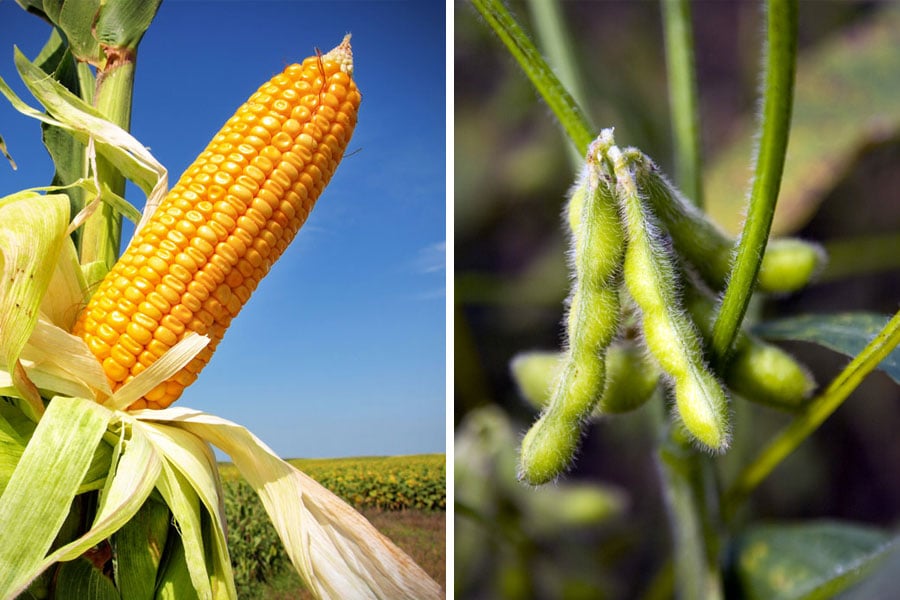
The [NAME] includes a diverse range of sources, including peer-reviewed research articles, extension and advisory publications, handbooks, factsheets, and diagnostic and plant tissue testing resources, recognizing that important micronutrient management knowledge is generated through both scientific research and professional practice.
Only records determined to be relevant to Ontario production systems are included in the [NAME]. Ontario relevance was assessed using predefined criteria based on continental glaciation history, similar climate and corn and soybean production systems.
The [NAME] covers the nine micronutrients currently recognized as essential for corn and soybean production: boron, chlorine (chloride), cobalt, copper, iron, manganese, molybdenum, nickel, and zinc.
Each record included in the [NAME] has been systematically coded using a standardized evidence extraction framework that captured study characteristics, geographic location, crop, micronutrient(s), intervention method, reported outcomes, document type, study type, and key findings. This standardized structure enables users to efficiently search, filter, and compare evidence across multiple dimensions while maintaining complete traceability to the original source documents.
The [NAME] is intended to support researchers, agronomists, crop advisors, extension specialists, government agencies, commodity organizations, farmers, and policy makers seeking reliable, Ontario-relevant evidence. Users can rapidly locate information related to specific micronutrients, diagnostic approaches, critical soil and tissue testing considerations, micronutrient interactions, crop responses, application practices, and agronomic, economic, and environmental outcomes. By consolidating dispersed knowledge into a single searchable resource, the [NAME] reduces the time required to identify relevant evidence while improving transparency and consistency in evidence-informed decision making.
Financial support provided by:


Collection
Soybean seeding rate and fertilizer effects on growth, partitioning, and yield
Greater soybean (Glycine max L. Merr.) total dry matter (TDM) production may support yield potential and correspondingly drive greater nutrient uptake. Whether increased dry matter (DM) and reduced interplant competition at decreased seeding rates improves grain yield response to fertilizer applications is not clear. A 3-site-year trial was conducted to evaluate soybean seeding rates and fertilizer applications on plant growth, nutrient accumulation, grain yield, and economic return. Seeding rates included: 123,500; 222,400; 321,200; and 420,100 seeds ha(-1). Fertilizer applications consisted of: unfertilized; 90 kg MOP (0-0-62 N-P-K) ha(-1) pre-plant incorporated (PPI); 168 kg MESZ (12-40-0-10-1 N-P-K-S-Zn) ha(-1) applied 5 by 5 cm below and to the side of the seed at planting (5 x 5); and 90 kg MOP ha(-1) PPI and 168 kg MESZ ha(-1) applied 5 x 5. Dry matter (V4) increased 37.7 to 116.6% and 73.3 to 137.5% with seeding rates = 222,400 seeds ha(-1) and MESZ applications, respectively, with greater early-season DM supporting increased nutrient uptake and grain yield potential. Increasing seeding rate from 123,500 to 222,400 seeds ha(-1) improved grain yield 9% but no differences were observed above 222,400 seeds ha(-1). The MESZ and MOP+MESZ applications increased grain yield 7.4 and 6.9%, respectively, while MOP did not affect grain yield across site-years. As emphasis on creating more durable, resilient agroecosystems continues, results suggest seeding rates = 222,400 seeds ha(-1) maximized DM accumulation facilitating nutrient uptake which may be paramount to improving fertilizer management or reducing post-harvest residual soil nutrients in impaired watersheds or regions of greater nutrient loss potential.
Soybean fertilizer guidelines
This University of Minnesota Extension guideline on soybean fertility (reviewed 2026) addresses several micronutrients. Manure and multi-element fertilizers used in rotation supply micronutrients but the article's micronutrient-specific guidance covers boron (B), manganese (Mn), iron (Fe), and briefly zinc/copper/magnesium. Boron: soybean has low tolerance to B, with toxicity possible at broadcast rates as low as 2 lb B/acre; UMN research has not shown a yield benefit from B application, and excess B is more likely to reduce yield than help it, so B application is not recommended. Manganese: soybean has responded to Mn in other U.S. regions with historically Mn-deficient soils, but Minnesota research has not shown a widespread need; recent data suggest a possible response when soil pH >7.4 and DTPA soil Mn (0-6") is ?10 ppm, in which case 10 lb broadcast Mn/acre may be warranted; foliar Mn has not been tested and should only be tried on a trial basis. Other micronutrients: Minnesota trials show no yield response to magnesium, zinc, or copper application in soybean, so these are not recommended. Iron deficiency chlorosis (IDC) is highlighted as the main micronutrient-related production issue: occurs on fields with pH ?7.4 due to impaired Fe uptake (not true soil Fe shortage); best managed via tolerant variety selection (using UMN chlorosis-score trial data), minimizing plant stress (herbicide injury, salts, compaction, deep cultivation, seedling disease, carryover nitrate), in-furrow EDDHA-Fe chelate (ortho-ortho form) at 1-3 lb active ingredient/acre at planting, and/or an oat companion crop (1.5 bu/acre, killed at 10" height) to reduce IDC severity in badly affected areas. Growers in IDC-prone fields are advised to combine a tolerant variety with EDDHA-Fe and/or the oat companion crop.
Soybean iron deficiency chlorosis high-throughput phenotyping using an unmanned aircraft system
Background: Iron deficiency chlorosis (IDC) is an abiotic stress in soybean [Glycine max (L.) Merr.] that causes significant yield reductions. Symptoms of IDC include interveinal chlorosis and stunting of the plant. While there are management practices that can overcome these drastic yield losses, the preferred way to manage IDC is growing tolerant soybean varieties. To develop varieties tolerant to IDC, breeders may easily phenotype up to thousands of candidate soybean lines every year for severity of symptoms related to IDC, a task traditionally done with a 1?5 visual rating scale. The visual rating scale is subjective and, because it is time consuming and laborious, can typically only be accomplished once or twice during a growing season. Results: The goal of this study was to use an unmanned aircraft system (UAS) to improve field screening for tolerance to soybean IDC. During the summer of 2017, 3386 plots were visually scored for IDC stress on two different dates. In addition, images were captured with a DJI Inspire 1 platform equipped with a modified dual camera system which simultaneously captures digital red, green, blue images as well as red, green, near infrared (NIR) images. A pipeline was created for image capture, orthomosaic generation, processing, and analysis. Plant and soil classification was achieved using unsupervised classification resulting in 95% overall classification accuracy. Within the plant classified canopy, the green, yellow, and brown plant pixels were classified and used as features for random forest and neural network models. Overall, the random forest and neural network models achieved similar misclassification rates and classification accuracy, which ranged from 68 to 77% across rating dates. All 36 trials in the field were analyzed using a linear model for both visual score and UAS predicted values on both dates. In 32 of the 36 tests on date 1 and 33 of 36 trials on date 2, the LSD associated with UAS image-based IDC scores was lower than the LSD associated with visual scores, indicating the image-based scores provided more precise measurements of IDC severity. Conclusions: Overall, the UAS was able to capture differences in IDC stress and may be used for evaluations of candidate breeding lines in a soybean breeding program. This system was both more efficient and precise than traditional scoring methods.
Soil fertility recommendations for corn
This North Dakota State University Extension bulletin (SF722, revised Dec. 2022) covers corn soil fertility recommendations; among micronutrients, only zinc (Zn) is documented as a management concern for North Dakota corn, and no other micronutrient deficiencies (B, Mn, Fe, Cu) have been documented in the state for corn. Corn is one of four North Dakota crops shown to respond to zinc application when soil levels are low. The critical soil-test threshold using the DTPA extraction method is 1 ppm Zn. To avoid deficiency, the bulletin recommends either a broadcast application of at least 30 lb/acre of 36% zinc sulfate granules, or adding a compatible zinc chelate/ammoniated zinc product to starter fertilizer at planting. Broadcast zinc sulfate raises soil-test Zn for more than 10 years, whereas the starter chelate approach must be repeated annually whenever the field is planted to corn. Zinc can also be supplied along with N, P, K, and S through a 2x2 starter band at planting with no reduction in stand. Deficiency symptoms are described as yellow-striped/broad-striped newer leaves and stunted growth; correction via zinc chelate is possible after symptoms appear, but some yield loss will have already occurred by the time deficiency is visually detected, so preventive soil-test-based application is preferred over reactive treatment. The bulletin does not provide separate micronutrient guidance for soybean; its scope is limited to corn fertility. No soybean-specific rates, thresholds, or micronutrient deficiency issues are discussed in this publication.
Influence of manganese on efficacy of glyphosate in glyphosate-resistant soybean
Soltani, N., Shropshire, C. and Sikkema, P. H. 2011. SHORT COMMUNICATION: Influence of manganese on efficacy of glyphosate in glyphosate-resistant soybean. Can. J. Plant Sci. 91: 1061-1064. Four field trials were conducted from 2007 to 2010 in Ontario to evaluate the effect of various manganese (Mn) formulations (Mill, Ecoman 5% Mn; Mn2, MangaMax 5.5% Mn; Mn3, Man Max 5.5% Mn; Mn4, Superman 500 Mn; Mn5, Stoller This 5% Mn; Mn6, Nortrace 6% Mn-EDTA (ethylenediaminetetraacetate); Mn7, Nortrace 22% Mn and Mn8, WolfTrax 33% Mn) applied at 2.0 kg actual Mn ha(-1) on glyphosate efficacy at 900 g a.e. ha(-1) in glyphosate-resistant soybean. The tank mix of glyphosate plus Mn4, Mn6 or Mn8 caused as much as 6, 17 and 4% injury in soybean, respectively. There was minimal crop injury (0-1.4%) with other Mn tank mixes. The addition of Mn4 or Mn6 to glyphosate did not antagonize glyphosate efficacy on the weeds evaluated (AMARE, AMBEL, CHEAL and SETVI). The other Mn formulations antagonized glyphosate efficacy for the control of AMARE, AM BEL, CHEAL or SETVI under some environments. The addition of Mn3 or Mn6 to glyphosate reduced soybean yield as much as 15 and 10% compared with glyphosate alone, respectively. Based on these results, it is recommended that glyphosate and manganese applications be applied sequentially to avoid weed control antagonism and maximize soybean yield.
Slurry injection with nitrification inhibitor in maize: Plant phosphorus, zinc, and manganese status
Slurry injection below the maize (Zea mays L.) row may substitute a mineral nitrogen (N) phosphorus (P) starter fertilizer (MSF) and thus reduce nutrient surpluses in regions with intensive livestock husbandry. We investigated the plant P, zinc (Zn), and manganese (Mn) status compared to the current farm practice. In 2014 and 2015 field trials were conducted to evaluate plant nutrient status at different growth stages. Besides an unfertilized control, two slurry injection treatments (±nitrification inhibitor (NI)) were compared to slurry broadcast application plus MSF. In both experiments NI addition significantly increased nutrient concentrations during early growth (6-leaf 2015: +33% P, +25% Zn, +39% Mn). Under P deficiency due to cold weather conditions broadcast application showed higher P uptake until 6-leaf (36-58%), while it was lower at 8-(32%) and 10-leaf (19%) stage compared to slurry injection (+NI). Zn availability was enhanced for slurry injection (+NI) during early growth and Zn and Mn uptakes were higher at harvest. Slurry injection decreased P balances by 10-14 kg P ha-1, while Zn and Mn balances were excessive independent of treatments. Slurry injection (+NI) can substitute a MSF without affecting early growth and enhances the Zn and Mn status. This new fertilizing strategy enables farmers to reduce P surpluses.
Seed treatment with Penicillium sp. or Mn/Zn can alleviate the negative effects of cold stress in maize grown in soils dependent on soil fertility
Maize is becoming an increasingly important crop in northern Europe, but low temperatures during spring may hamper its growth. This effect may be caused by direct plant damage through oxidative stress or indirect damage through decreased uptake of nutrients, especially phosphorus (P), from the soil. Previous studies have indicated that treatment with micronutrients such as manganese and zinc (Mn/Zn), microbial inoculants (biostimulants) or exogenous salicylic acid can alleviate abiotic stress. Seed inoculation with microorganisms can also increase P uptake from the soil. In a pot experiment, we investigated whether the negative effects of cold stress could be alleviated by improving soil fertility (P level), inoculating seed with two different plant growth-promoting fungi of the genus Penicillium sp., adding extra Mn/Zn at sowing or adding exogenous salicylic acid. These treatments were tested on maize plants subjected to cold stress and two different levels of soil fertility and harvested 28 and 51 days after sowing (DAS). We found that the effect of cold stress was not alleviated by improving soil fertility through the use of a more fertile (high P) soil or through fertilisation with plant-available P in the form of triple superphosphate. Cold stress was also not alleviated by the treatment of seeds with salicylic acid. Addition of Mn/Zn and inoculation with one of the two Penicillium strains tested increased biomass production at 51 DAS (compared with the untreated control) in cold-stressed plants grown in the high P soil, but not in the low P soil. Thus, addition of Mn/Zn and inoculation with Penicillium sp. can reduce the effects of cold stress in maize plants grown in fertile soil.
Seed yield and quality of transgenic high-oleic and conventional soybean as influenced by foliar manganese application
Manganese deficiency in soybean [Glycine max (L.) Merr.] reduces seed yield and alters the oil profile. The objective of this study was to evaluate the effect of foliar Mn fertilizer on seed yield, protein and oil concentration, and the oil profile of transgenic high-oleic soybean ('Plenish') and soybean with a normal oil profile (referred to here as conventional"). Research trials were established in 2014 and 2015 at two locations in Ohio. Treatments included soybean cultivar (four to six Plenish cultivars and two conventional cultivars) and foliar Mn fertilizer application at the R3 soybean growth stage (none, MnSO4, and Mn--EDTA). In 2014, the Mn--SO4 application increased soybean seed yield by 140 kg ha-1 at the Wood County location where soybean plants were deficient in Mn. Although Mn-SO4 also supplies S, no S deficiencies were detected. At the other three site-years, soybean seed yield was not affected by Mn application. Manganese application did not influence the oil or protein content of the soybean seed or alter the oil profile. The high-oleic cultivars produced similar yield to the conventional cultivars at the Wood County location both years. In 2014 and 2015 at the Clark County location, the high-oleic cultivars yielded 410 and 270 kg ha-1 less than cultivars with a conventional oil profile, respectively. Plenish soybean cultivars did not need to be managed differently from the conventional soybean cultivars tested in terms of Mn foliar application."
Secondary and micronutrient uptake, partitioning, and removal across a wide range of soybean seed yield levels
Reduced atmospheric S deposition, in conjunction with higher grain sale prices and steadily increasing yields of soybean [Glycine max (L.) Merr.], has many growers considering an increase in secondary and micronutrient applications. Limited information exists quantifying requirements of S, Mg, Ca, Zn, Mn, Cu, Fe, and B across a wide yield range for modern soybean production systems. Using six site-years and eight varieties, plants were sampled at six growth stages and partitioned into their respective plant parts and analyzed. Nutrients were acquired heavily (48-73%) from R1 through R5.5 with peak uptake rates near R3. Yet, uptake after R5.5 represented a greater portion of total S uptake as yield increased from the low (24.9%) to high (32.2%) yield level (3608 vs. 5483 kg ha-1). This coincided with seed S accumulation, which relied more heavily on continued uptake after R5.5 (58%) vs. vegetative S remobilization (42%). Across all environments (site × year) and varieties, total S uptake (0.004 kg S kg grain-1) and removal (0.003 kg S kg grain-1) showed moderate (R2=0.58) and strong (R2=0.76) relations with yield, respectively. These relations for each micronutrient were much weaker (R2=0.13-0.66), due largely to the main effects of environment and variety along with their respective interactions with yield. Furthermore, micronutrient concentrations in leaf tissue varied considerably (CV=28-46%) during recommend testing stages. Thus, previously reported inconsistent yield responses to foliar application of these micronutrients may primarily be due to the large variability in leaf tissue concentrations and nutrient requirements.
Secondary and micronutrients
This Iowa State Extension presentation (J.E. Sawyer) reviews micronutrient issues for corn and soybean, focused on zinc (Zn) and iron (Fe), plus context on sulfur research methodology. For corn, Zn deficiency risk factors are low organic matter, high pH (>7.4), eroded/coarse-textured soils, high P with borderline Zn, and cool/wet soils. ISU Zn recommendations for corn (DTPA-extractable Zn): Low (0-0.4 ppm) = 10 lb Zn/acre broadcast or 2 lb/acre banded; Marginal (0.5-0.8 ppm) = 5 lb broadcast or 1 lb banded; Adequate (0.9+ ppm) = none. However, prior ISU trials (Webb 1970s-90s; Bickel & Killorn 2007) found inconsistent yield responses to Zn even at low soil-test levels. For soybean, iron deficiency chlorosis (IDC) is linked to high pH (>7.4), free calcium carbonates, high salts, poor aeration, high soil nitrate, and wet conditions. Management: choose IDC-tolerant varieties; soil-applied Fe, sulfur, or gypsum are not effective; seed-coated iron is expensive with limited response; in-furrow chelated FeEDDHA may help; reducing soil nitrate (e.g., interseeding soybean into a cover crop) may help. Foliar FeEDDHA (Sequestrene 138) can be applied at the two-trifoliate stage, within 7 days of chlorosis symptoms, at 0.15 lb Fe plus surfactant in 15-30 gal water/acre, possibly requiring multiple applications. A 2012-2014 ISU research program (46 soybean trials, 10 corn trials; foliar B/Cu/Mn/Zn; 26 additional strip trials; 8 soil-applied trials) found very unlikely yield response to micronutrients in Iowa: no yield increase in foliar plot trials (one soybean decrease from Cu/Zn/mixture), mixed results in strip trials (one soybean increase, one corn decrease), and no effect from soil application. Conclusions: published soil/tissue sufficiency levels are likely too high, soil and tissue tests show little agreement, and yield level is a poor predictor of micronutrient need. Overall recommendation: don't rely heavily on published test interpretations (use lowest suggested sufficiency values), lime acid soils, and watch sandy, eroded, or calcareous fields for Zn/Fe issues.
Response to side-banded phosphorus and zinc fertilizer for corn grown after canola or soybean in Southern Manitoba
A 2-year crop rotation study in southern Manitoba assessed the effects of starter fertilizer on grain corn (Zea mays L.) production when corn followed canola (Brassica napus L.) versus soybean (Glycine max L. Merr.). Treatments included a control (no starter) and two rates of phosphorus (P) (30 and 60 kg P2O5 ha-1) as monoammonium phosphate (MAP, 11-52-0) or MicroEssentials® SZ (MESZn, 12-40-0-10-1) side-banded at planting. The preceding crop did not have any influence on mycorrhizal colonization of corn roots at the V4 corn growth stage. However, side-banded fertilizer increased early-season biomass by as much as 111% compared to the unfertilized control, averaged across all site-years, with the largest increases occurring where corn followed canola. P concentration and uptake in early-season biomass increased as the P rate increased. Zinc (Zn) concentrations in early-season biomass were the greatest for the unfertilized control and MESZn treatments, while Zn uptake was significantly greater with the application of starter fertilizer compared to the unfertilized control. Starter P advanced silking date by 2-7 days relative to the unfertilized control. At maturity, starter P reduced grain moisture by 21-27 g kg-1 in corn only after canola. The high rate of MAP increased grain yield by an average of 770 kg ha-1 compared to the unfertilized control, regardless of the preceding crop. The negative influence of the preceding canola crop on early-season growth and mid-season development of corn can be managed with starter fertilization to provide adequate P and Zn to the corn crop and maintain successful production in Manitoba.
Response of soybean (Glycine max (L.) Merr.) to bacterial soil inoculants and foliar fertilization
Soybean yields can be considerably improved by inoculation with selected Bradyrhizobium japonicum strains and foliar fertilization. An exact field experiment was carried out in 2012-2014 at the Experimental Station of Cultivar Assessment in Przeclaw, Poland. The test plant was soybean cv. Aldana. The experimental factors were: bacterial inoculant Nitragina (Bradyrhizobium japonicum); foliar fertilization with Mikrokomplex; combined applications Nitragina + Mikrokomplex and the control treatment. Significant effect of Nitragina on an increase in the number of plants prior to harvest, plant height and the number of pods per plant was indicated. Fertilization with Mikrokomplex caused an increase in the number of pods per plant and thousand seed weight. Nitragina + Mikrokomplex increased the number of plants prior to harvest, plant height, the number of pods per plant and thousand seed weight. Seed yield was significantly higher in all the treatments compared to the control (2.31 t/ha). Higher soil plant analysis development values were found after the application of Nitragina + Mikrokomplex, and in the stage of pod development, also after foliar fertilization with Mikrokomplex. Application of Nitragina and Nitragina + Mikrokomplex resulted in an increase in leaf area index and mean tip angle and total protein in seeds. Fe content in seeds was the lowest in the control (69.2 mg/kg) and significantly higher in the other treatments (Nitragina, Nitragina + Mikrokomplex), and Mg content significantly increased after the application of Mikrokomplex and Nitragina + Mikrokomplex.
Relationships between ear-leaf nutrient concentrations at silking and corn biomass and grain yields at maturity
Historically, corn (Zea mays L.) ear-leaf N concentrations at mid-silking have been positively correlated with grain yield (GY). Many state and regional fertilizer recommendations provide nutrient sufficiency ranges" or threshold nutrient concentrations for N and other nutrients in ear leaves sampled at silk emergence, but these are based on studies conducted decades ago with much lower yielding hybrids grown at lower plant densities. In response to this potential knowledge gap, we collected corn ear-leaf samples at mid-silking in field studies conducted near West Lafayette, IN, from 2010 to 2016. These field studies involved comparisons of multiple hybrids, plant densities or tillage systems for their response to nutrient management alternatives (e.g., macronutrient rates, placement, and timing). The ear-leaf samples were analyzed for nutrient concentrations (N, P, K, Ca, Mg, S, Zn, Mn, Fe, Cu, B, and Al), and each plot's nutrient concentration data were subjected to regression analysis to evaluate their relationship with plot level dry matter (DM) accumulation and GY responses. Variation in ear-leaf N, P, S, and Cu concentrations explained 50%, while Fe explained 40%, of the variation in both GY and DM. These nutrients (N, P, S, Cu, and Fe) were also positively correlated with each other (Pearson r ranged from 0.46-0.89). However, ratios of ear-leaf nutrient concentrations at silking consistently explained less of the GY variation than single nutrient concentrations. The overall relationships of ear-leaf nutrient concentrations with GY suggests revisions in state recommendations for ear-leaf "nutrient sufficiency" may be warranted for some nutrients."
Replication protein A subunit 3 and the iron efficiency response in soybean
In soybean [ Glycine max ( L.) Merr.], iron deficiency results in interveinal chlorosis and decreased photosynthetic capacity, leading to stunting and yield loss. In this study, gene expression analyses investigated the role of soybean replication protein A ( RPA) subunits during iron stress. Nine RPA homologs were significantly differentially expressed in response to iron stress in the near isogenic lines ( NILs) Clark (iron efficient) and Isoclark (iron inefficient). RPA homologs exhibited opposing expression patterns in the two NILs, with RPA expression significantly repressed during iron deficiency in Clark but induced in Isoclark. We used virus induced gene silencing ( VIGS) to repress GmRPA3 expression in the iron inefficient line Isoclark and mirror expression in Clark. GmRPA3-silenced plants had improved IDC symptoms and chlorophyll content under iron deficient conditions and also displayed stunted growth regardless of iron availability. RNA- Seq comparing gene expression between GmRPA3-silenced and empty vector plants revealed massive transcriptional reprogramming with differential expression of genes associated with defense, immunity, aging, death, protein modification, protein synthesis, photosynthesis and iron uptake and transport genes. Our findings suggest the iron efficient genotype Clark is able to induce energy controlling pathways, possibly regulated by SnRK1/ TOR, to promote nutrient recycling and stress responses in iron deficient conditions.
Rating iron deficiency in soybean using image processing and decision-tree based models
The most efficient way of soybean (Glycine max (L.) Merrill) iron deficiency chlorosis (IDC) management is to select a tolerant cultivar suitable for the specific growing condition. These cultivars are selected by field experts based on IDC visual ratings. However, this visual rating method is laborious, expensive, time-consuming, subjective, and impractical on larger scales. Therefore, a modern digital image-based method using tree-based machine learning classifier models for rating soybean IDC at plot-scale was developed. Data were collected from soybean IDC cultivar trial plots. Images were processed with MATLAB and corrected for light intensity by using a standard color board in the image. The three machine learning models used in this study were decision tree (DT), random forest (RF), and adaptive boosting (AdaBoost). Calculated indices from images, such as dark green color index (DGCI), canopy size, and pixel counts into DGCI ranges and IDC visual scoring were used as input and target variables to train these models. Metrics such as precision, recall, and f1-score were used to assess the performance of the classifier models. Among all three models, AdaBoost had the best performance (average f1-score = 0.75) followed by RF and DT the least. Therefore, a ready-to-use methodology of image processing with AdaBoost model for soybean IDC rating was recommended. The developed method can be easily adapted to smartphone applications or scaled-up using images from aerial platforms.
Quantification of seed ionome variation in 90 diverse soybean (Glycine max) lines
Climate change and rising carbon dioxide (CO2) levels are expected to reduce the mineral nutrient content of soybean seeds. The main objective of this study was to survey diverse soybean germplasm for variation in seed elemental concentrations and their relationships between elements, protein content, and individual seed weight. Seeds from 90 soybean genotypes were weighed and subjected to inductively coupled plasma-mass spectrometry (ICP-MS) ionomics analysis and Carbon/Nitrogen (C/N) analysis to determine protein. The results demonstrated substantial variation with the possibility of significantly improving most mineral nutrients, especially selenium (Se), copper (Cu), iron (Fe), and manganese (Mn). This diverse survey identifies genotypes that can complement existing soybean breeding programs for improving seed nutritional quality. Correlation analysis identified two clusters of co-variant elements: zinc (Zn), phosphorus (P), and sulfur (S) as well as Zn, Cu, Se, and rubidium (Rb) were positively correlated with each other. Tolerable upper limits of Rb intake are not defined for humans illustrating the need to monitor trace elements along with desirable nutrients.
Plant nutrient analysis: Do your soybeans have the right stuff?
This SDSU Extension article describes soybean leaf tissue analysis, including micronutrient interpretation, as a quality-control check on soil fertility and fertilizer programs. Sampling protocol: collect leaf tissue at growth stage R1-R2 (beginning to full bloom), before R3 (beginning pod), when nutrient redistribution to seed begins. Collect only the uppermost fully-developed trifoliolate leaf (commonly the third leaf from the top), excluding the petiole; gather 30 trifoliolates from different plants in the area of interest and ship in a paper bag. Lab analysis costs about $34 per sample for all 13 nutrients, or about $26 if chloride and molybdenum are excluded. Reported micronutrient sufficiency ranges (ppm), with interpretive categories of likely responsive, small probability of response, sufficiency range, and excessive/toxic: iron <50 likely responsive, 50-54 small probability, 55-300 sufficient, >500 excessive (note: requires proper leaf washing for accurate results); manganese <20 responsive, 20-29 small probability, 30-100 sufficient, >200 excessive; zinc <20 responsive, 20-24 small probability, 25-60 sufficient, >75 excessive; copper <4 responsive, 4-5 small probability, 6-20 sufficient, >50 excessive; boron <20 responsive, 20-24 small probability, 25-60 sufficient, >80 excessive; molybdenum <0.2 responsive, 0.2-0.9 small probability, 1.0-5.0 sufficient (no excessive threshold given). The article cautions that plant analysis results are most useful for adjusting future fertility programs rather than in-season correction, should be interpreted cautiously if plants were sampled under drought, flooding, or herbicide damage, and that soil testing (not tissue testing) is still required to generate actual fertilizer rate recommendations.
Nutrient uptake, partitioning, and remobilization in modern, transgenic insect-protected maize hybrids
Modern maize (Zea mays L.) hybrids coupled with improved agronomic practices may have influenced the accumulation and partitioning of nutrient uptake since the last comprehensive studies were published. The objective of this study was to investigate nutrient uptake and partitioning among elite commercial germplasm with transgenic insect protection grown under modern management practices. Plants were sampled at six growth stages and divided into four fractions for nutrient determination. Total nutrients required per hectare to produce 23.0 Mg ha(-1) of total biomass with 12.0 Mg ha(-1) of grain included 286 kg N, 114 kg P2O5, 202 kg K2O, 59 kg Mg, 26 kg S, 1.4 kg Fe, 0.5 kg Mn, 0.5 kg Zn, 0.1 kg Cu, and 0.08 kg B. A 10-d period (V10-V14) denoted the maximum rates of accumulation on a per day basis for dry weight (439 kg), N (8.9 kg), P2O5 (2.4 kg), K2O (5.8 kg), Mg (2.2 kg), S (0.7 kg), Zn (14.2 g), Mn (18.0 g), B (3.3 g), Fe (95.3 g), and Cu (3.0 g). The majority of total uptake occurred post-flowering for P, S, Zn, and Cu. Harvest index values of P (79%), S (57%), Zn (62%), and N (58%) were identified in the grain. These results provide much needed data on the nutrient uptake and partitioning of current hybrids, and provide an opportunity to further refine fertilizer method and timing recommendations for maize biomass and grain production.
Nutrient seed priming improves seedling development of maize exposed to low root zone temperatures during early growth
Highlights: • Nutrient seed priming improves early seedling development and root growth of maize exposed to low root zone temperatures. • Low soil or root zone temperature (RZT) is a major problem for maize growth in Central and Northern Europe. • In maize, low RZT severely inhibits the early seedling establishment, root growth and nutrient uptake. • Micronutrient seed priming significantly improved early seedling development and nutrient uptake under low RZT. • Although nutrient priming increased grain yield but the mechanisms behind require further research.
Nutrient uptake, partitioning, and remobilization in modern soybean varieties
The absence of recent data regarding the nutritional needs of modern soybean [Glycine max (L.) Merr.] production systems necessitates a greater comprehensive understanding of nutrient uptake, partitioning, and remobilization. The objective of this study was to evaluate macro- and micronutrient accumulation and partitioning in current soybean cultivars. Across 3 site-years, plants were sampled at seven growth stages and divided into four plant tissue fractions for quantification of nutrient uptake. Accumulation (per ha) of 275 kg N, 21 kg P (48 kg P2O5), 172 kg K (207 kg K2O), 113 kg Ca, 50 kg Mg, 19 kg S, 335 g Zn, 371 g Mn, 325 g B, 849 g Fe, and 63 g Cu were required to produce approximately 3500 and 9500 kg ha-1 of grain and total biomass, respectively. Supplemental fertility modestly increased biomass and yield (2%), but did not alter nutrient partitioning or harvest index. Nutrients with high harvest index (i.e., percentage of total nutrient accumulation partitioned to grain) values included P (81%), N (73%), Cu (62%), and S (61%), which may serve as a limitation to high yield. Seasonal patterns of nutrient accumulation suggested that K and Fe were acquired primarily during late vegetative growth while the uptake of N, P, Ca, Mg, S, Zn, Mn, B, and Cu were more equally distributed between vegetative and seed-filling growth phases. These results document the rate and duration of macro- and micronutrient accumulation in soybean, and highlight the importance of adequate nutrient availability during key crop growth periods.
Nutrient uptake of iron, zinc, magnesium, and copper in transgenic maize (Zea mays) as affected by rotation systems and N application rates
Understanding the interaction of macro- and micronutrients is a prerequisite to targeting nutrient balance in crop production. A 3-year field study was conducted to determine mineral nutrient uptake of maize hybrids with N fertilizer application under different rotation systems. The experiment was arranged in a split-plot design with rotation [maize-alfalfa (MA), maize-soybean (MS), and continuous maize (MM)] by N rate (0, 50, 100 and 150 kg N ha(-1)) as the mainplot and hybrid as the subplot. Two additional treatments (200 and 250 kg N ha(-1)) were tested in MM. Maize plant total Mg, Zn, and Cu content were in the order: MA MS MM. Plant Fe uptake was the lowest in MA and not affected by N input. The increased Cu uptake with increasing N rates indicated the synergism of these two nutrients, whereas dilution effects of N application on stover Zn and Mg concentrations were recorded. Rotation systems and N rates interactively affected nutrient harvest index and internal efficiency of Zn, Mg, Fe, and Cu. Relationships of plant N with Cu and Mg concentrations, and N with Zn, Mg, and Cu content at the V6 stage were established, but they were not necessarily preserved at maturity due to the progressive synergistic and dilution effects. The findings of nutrient uptake of Cu, Zn, Mg and Fe and their relationships with N nutrition in maize with stacked transgenic traits are important for developing best management practices to achieve concurrent improvements in nutrient use efficiency and crop productivity.
Nutrient uptake by corn and soybean, removal, and recycling with crop residue
Methods: Iowa State University researchers (Mallarino et al., 2011 ICM Conference) measured micronutrient (boron, manganese, zinc) concentrations in corn and soybean grain across long-term Iowa research-farm trials (multiple counties, no-till and chisel-plow/disk tillage, several P/K fertilizer treatments, spanning years/sites) as part of a broader P/K removal and residue-recycling study. Grain samples were analyzed for nutrient concentration, and micronutrient removal was calculated from concentration × yield across a wide range of corn and soybean grain yields. Findings: Micronutrient uptake by both crops is very small, typically under 1% of P or K uptake, so grain concentrations and removal amounts are correspondingly minor. Across all fields, years, and treatments, there was no relationship between grain yield level and B, Mn, or Zn concentration in either crop, though boron showed unusually wide variation among high-yielding corn fields (removal ranging from near zero to about 0.08 lb/acre). In corn, removal of B, Mn, and Zn increased with yield in a slight exponential pattern (steeper increase at higher yields) rather than the linear pattern seen for P and K. In soybean, micronutrient concentrations in grain were several times higher than in corn, but removal-yield relationships were linear (not exponential) and more variable than in corn; zinc removal by soybean was roughly double that of corn, while boron and manganese removal were only slightly higher than corn. The authors concluded that because removed amounts are insignificant relative to soil reserves and to P/K removal, micronutrient removal should not be used as a fertilization-decision criterion the way it is for P and K, and flagged a need for further research on how removal affects soil/tissue micronutrient levels and fertilizer requirements over time.
Molybdenum and calcium for soybeans
This industry blog post (OMEX Canada) promotes calcium (Ca) and molybdenum (Mo) seed dressings for soybean, framing both as micronutrients important for early nodulation. It states these seed treatments are not supported by traditional extension research or recommended by agronomic associations, and notes North Dakota State University found no consistent or significant yield response to such dressings. According to OMEX's CEO (a former University of Manitoba plant pathologist), calcium acts as a signal that allows compatible rhizobia bacteria to enter soybean roots and initiate nodule formation, while molybdenum is a cofactor for nitrate reductase, the enzyme needed for nitrogen metabolism and nodule function; without adequate Mo, nodulation is poor and nodules are non-functional. Symptoms attributed to molybdenum deficiency include poor leaf structure and weak, pale leaf color, since nitrate reductase reportedly makes up a large share of leaf structure. Soil Mo in the region is described as generally adequate, but repeated canola crops can deplete supply. Molybdenum is stated to be mobile in phloem and xylem, so foliar correction after emergence is possible; calcium/molybdenum seed dressings are presented as a first line of defense at planting. The company's spokesperson claims seed dressings can produce four to five-bushel yield gains in stress years, though this is an industry/marketing source rather than peer-reviewed research, and the article itself acknowledges the scientific basis remains debated with regulatory changes only recently easing product availability in Canada.
Micronutrients fertilization for corn and soybean: A research update
This North Central Extension-Industry Soil Fertility Conference (2015) bulletin by Mallarino, Camberato, Kaiser, Laboski, Ruiz-Diaz, and Vyn synthesizes multi-state micronutrient trials for corn and soybean. Overall: micronutrient deficiencies are not widespread in the north-central region and mostly occur on sandy, calcareous, or high-pH soils. Indiana: soybean Mn response was inconsistent; one 2007 trial on a Mn-deficient soil (Mehlich-3 Mn 12 ppm) showed a 6 bu/acre yield increase from foliar or banded Mn combined with starter N-P, but Mn alone gave no benefit, and results varied 5-15% and by location/year. Iowa: 2012-2014 trials across 30+ soil series (46 soybean, 11 corn fields) testing foliar/soil B, Cu, Mn, Zn found no statistically significant yield response at any conventional-plot trial; existing soil/tissue sufficiency interpretations over-predicted deficiency response. Kansas: seed-applied chelated ortho-ortho EDDHA-Fe increased soybean yield ~55% on severe iron deficiency chlorosis (IDC) soils (pH 8.1-8.5), but foliar Fe had no effect; separate trials found no yield benefit from starter/foliar B, Cu, Mn, Zn blends in corn or soybean without a deficiency history, except one sandy site with a 6 bu/acre gain from broadcast micronutrient mix. Minnesota: Fe (as o-o-EDDHA "Soygreen," 3 lb/acre on seed) increased soybean yield 3-4 bu/acre in IDC-prone areas; other micronutrients (Zn, Mn, Mo, B) showed no consistent yield benefit across 12 site-years, and 2 lb B/acre broadcast occasionally reduced yield. Wisconsin: three years of starter/foliar Mn trials (0-5 lb Mn/acre starter; 1.25 lb Mn/acre foliar at R1/R3) found tissue Mn below sufficiency ranges (54-300 ppm) at all sites, yet no consistent yield response, suggesting the sufficiency range may be too high. Overall conclusion: soils in the region generally supply adequate micronutrients for corn/soybean; Fe management for IDC is the clearest exception with proven response; decisions on other micronutrients should target only sandy, calcareous, organic, or severely eroded fields rather than broad application.
Micronutrients for soybean production in the North Central region
This multi-state (IA, MN, KS, WI, IN/PU) Extension bulletin reviews soybean micronutrient management. Micronutrient deficiencies in the region are uncommon except for iron (Fe) and manganese (Mn); soil/tissue test interpretations are poorly calibrated due to infrequent responses. Boron (B): deficiency rare, no documented regional yield increases from B fertilization, and soybean is very sensitive to B toxicity (yield decreases reported in MN); avoid in-furrow/seed placement. Copper (Cu): soybean among least Cu-sensitive crops; 42 Iowa and 10 Kansas trials found no yield increase, one Iowa site showed a yield decrease from Cu application. Chlorine (Cl): deficiencies rare; IA, MN (20 lb Cl/acre), and KS (5-20 lb Cl/acre) trials found no soybean yield response (IA trial did boost corn yield). Iron: causes IDC, a major yield-limiting issue in the western Corn Belt tied to high pH/carbonate soils; broadcast Fe and DTPA/EDTA chelates gave inconsistent results, but seed/in-furrow ortho-ortho-EDDHA chelate consistently reduced IDC and increased yield; IDC-tolerant varieties and oat companion crops (reducing soil nitrate) also help. Manganese: deficiency tied to calcareous/organic soils, common in parts of IN, MI, OH, WI; foliar or planter-banded Mn (0.2-0.5 lb/acre chelate or 1-1.25 lb/acre sulfate) is most effective since broadcast Mn becomes unavailable; banded-plus-foliar combinations maximize response; recent large-scale IA/KS/MN trials (99+ sites) found essentially no yield response even where soil tests predicted deficiency, though one sandy-soil site responded to Mn. Foliar Mn can antagonize glyphosate. Molybdenum: linked to N fixation; deficiency corrected via liming rather than direct Mo fertilization. Zinc: soybean much less Zn-sensitive than corn; regional trials found no yield increase from Zn even on soils where corn would respond. Overall message: confirmed micronutrient responses in soybean are rare regionally, and current soil/tissue test thresholds often over-predict deficiency.

