Welcome to the [NAME], a searchable collection of research and extension information relevant to micronutrient management for corn and soybean production in Ontario. Developed through a rigorous systematic mapping process, the [NAME] holds 126 Ontario-relevant records published between 2010 and 2025, providing a curated collection of the latest scientific evidence most applicable to Ontario's corn and soybean sectors.
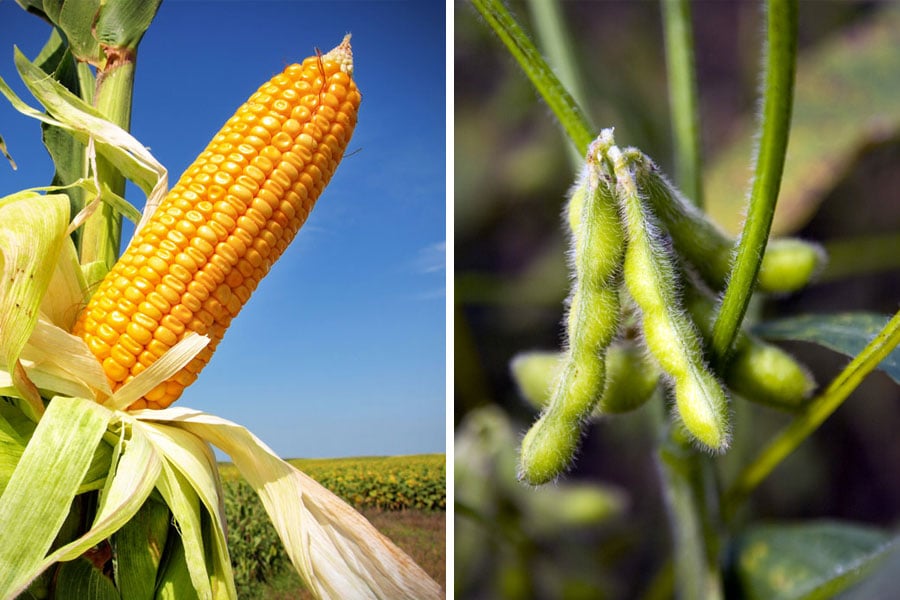
The [NAME] includes a diverse range of sources, including peer-reviewed research articles, extension and advisory publications, handbooks, factsheets, and diagnostic and plant tissue testing resources, recognizing that important micronutrient management knowledge is generated through both scientific research and professional practice.

Only records determined to be relevant to Ontario production systems are included in the [NAME]. Ontario relevance was assessed using predefined criteria based on continental glaciation history, similar climate and corn and soybean production systems.

The [NAME] covers the nine micronutrients currently recognized as essential for corn and soybean production: boron, chlorine (chloride), cobalt, copper, iron, manganese, molybdenum, nickel, and zinc.

Each record included in the [NAME] has been systematically coded using a standardized evidence extraction framework that captured study characteristics, geographic location, crop, micronutrient(s), intervention method, reported outcomes, document type, study type, and key findings. This standardized structure enables users to efficiently search, filter, and compare evidence across multiple dimensions while maintaining complete traceability to the original source documents.

The [NAME] is intended to support researchers, agronomists, crop advisors, extension specialists, government agencies, commodity organizations, farmers, and policy makers seeking reliable, Ontario-relevant evidence. Users can rapidly locate information related to specific micronutrients, diagnostic approaches, critical soil and tissue testing considerations, micronutrient interactions, crop responses, application practices, and agronomic, economic, and environmental outcomes. By consolidating dispersed knowledge into a single searchable resource, the [NAME] reduces the time required to identify relevant evidence while improving transparency and consistency in evidence-informed decision making.

Financial support provided by:

Collection

crop
Document Type
Study Type
Intervention Method
Outcomes Reported
year published
0
0
Thank you! Your submission has been received!
Oops! Something went wrong while submitting the form.
1134
Micronutrients in starter fertilizer for corn
E. Lentz; S. Culman
|
2014
|
United States
Extension article/bulletin
Guidance/extension
Corn
Boron
Zinc

This Ohio State Agronomic Crops Network article addresses whether corn starter fertilizers need added micronutrients (B, Cl, Cu, Fe, Mn, Mo, Ni, Zn). Most Ohio soils already supply adequate micronutrients for corn, provided soil pH is properly limed and organic matter is not low on sandy soils. The only micronutrient with a defined response threshold is zinc: a yield response is expected only when soil pH is above 6.6 AND soil-test zinc is below 4 ppm; recommended Zn rates are referenced from the Tri-State Fertilizer Recommendations bulletin. For all other micronutrients, including boron, there is no documented history of deficiency or research-confirmed yield response in Ohio corn on mineral soils; boron interest arose during a period of high corn prices without supporting evidence, and boron response in the region has only been shown for alfalfa on sandy, weathered, low-organic-matter soils. Recommendation: if a micronutrient deficiency has never been confirmed for a field (via soil test and/or visual symptoms), including it in a starter blend is unnecessary and will not improve profitability; the added cost is better spent elsewhere. If a micronutrient is genuinely needed, a starter band placement is the most efficient delivery method. The bottom line: growers should not add micronutrient packages to corn starter fertilizer based on marketing or commodity price alone, only based on confirmed field-specific deficiency evidence.

Intervention method:
No intervention
Outcomes:
Yield
Soil properties
Diagnostic
No economics data
View detail
1135
Mid-season crop tissue testing
C. White; J. Spargo
|
2025
|
United States
Diagnostic/tissue-testing article
Guidance/extension
Corn
Soybean
Boron
Copper
Iron
Manganese
Zinc

This Penn State Extension article explains routine mid-season tissue testing to detect micronutrient sufficiency in corn and soybean before deficiencies become visible ("hidden hunger"). Soil tests are considered unreliable for micronutrients such as iron, zinc, manganese, boron, and copper, making tissue testing especially useful for these elements. Sampling: for corn, collect the ear leaf at silking; for soybean, clip the uppermost fully-developed trifoliates prior to or at early flowering (sampling after pod set is not recommended). Take at least 10, preferably 20-30, plants per field/sub-field, avoid diseased, pest-damaged, drought-stressed, or flooded tissue, and ship samples in breathable paper bags to prevent mold. Reported sufficiency ranges (ppm) for corn ear leaf: manganese 20-150, iron 20-250, boron 4-25, copper 6-20, zinc 20-70. For soybean uppermost leaves: manganese 21-150, iron 50-350, boron 20-50, copper 10-30, zinc 20-50. Values above range are not yield-limiting but may signal other fertility issues (e.g., high iron/manganese can indicate low soil pH). Values below range indicate the nutrient may be yield-limiting. For corn, rescue applications at silking are often impractical due to sprayer clearance; soybean, being shorter and more plastic in growth, can more feasibly receive foliar rescue micronutrient applications since only small doses are needed. Even without a rescue treatment, a low result flags problems to address via soil testing before the next season, since tissue levels reflect uptake, not necessarily true soil deficiency.

Intervention method:
No intervention
Outcomes:
Nutrient uptake
Diagnostic
No economics data
View detail
1136
Mineral composition of traditional non-GMO soybean cultivars in relation to nitrogen fertilization
Bogdan Szostak; Aleksandra Glowacka; Renata Klebaniuk; Anna Kieltyka-Dadasiewicz
|
2020
|
Poland
Original research article
Field experiment
Soybean
Copper
Iron
Manganese
Zinc

Soybean is widely used as food. Genetic factors, as well as agrotechnical procedures, affect the yield and quality of soybeans. The subject of our research was the synchronization between soil N supply (from both mineralization and fertilization) and crop N demand. The aim of the research was to determine the effect of the cultivar and nitrogen application on the seed yield and mineral content in soybeans. Two non-GMO soybean cultivars (Amandine and Merlin) and four mineral nitrogen fertilizers ((A) N 0, control; (B) N 30:0, 30 kg N ha-1 before sowing; (C) N 0:30, 30 kg N ha-1 at BBCH 73-75; (D) N 30:30, 30 kg N ha-1 before sowing and 30 kg N ha-1 at BBCH 73-75) were tested. The highest soybean yield was obtained following nitrogen application at a rate of 60 kg ha-1. The genetic factor was found to significantly influence the content of some macronutrients (P, K, and Mg) and micronutrients (Cu, Mn, and Fe). In general, the Merlin cultivar had better macronutrient parameters except nitrogen, while Amandine had a higher content of Cu and Fe. Nitrogen fertilization decreased the content of P, K, and Zn in the soybeans but significantly increased the content of Ca, Mg, Cu, and Mn.

Intervention method:
No intervention
Outcomes:
Yield
Crop Quality
Nutrient uptake
No economics data
View detail
1137
Mineral fertilizers with iron influence spring rape, maize and soil properties
Barbara Filipek-Mazur; Monika Tabak; Malgorzata Koncewicz-Baran; Aneta Bobowiec
|
2019
|
Poland
Original research article
Greenhouse study
Corn
Iron

Because of low content of available iron (Fe) in soils and its poor mobility in plants, iron fertilization is necessary. Different forms of iron (mineral salts, chelates, nanomaterials) and fertilization strategies (soil and foliar application of solid or liquid fertilizers) are used. The effect of solid mineral fertilizers (A: a mixture of ammonium nitrate and dolomite; B: a mixture of ammonium nitrate and sulfate) enriched with iron sulfate was assessed during a three-year pot experiment. Iron addition did not change the yield of spring rape (first year) or maize (second and third year) significantly, and the effect on iron content in the plants was ambiguous. Fertilizer B with iron had the greatest yield-forming effect, increasing the yield of aboveground parts by 355?874%, and of roots by 211?692% in particular years. All fertilizers (especially containing sulfur) acidified the soil. After the experiment, pH of the soil fertilized with sulfur was 4.1, and of the unfertilized soil ? 5.2. Iron addition increased the content of mobile and exchangeable iron in the soil by 12?110% and 2?58%, respectively, but not the content of the fraction bound to MnOx. Combination of sulfur and iron fertilization has a potential to improve soil abundance and plant yield.

Intervention method:
Soil application
Outcomes:
Yield
Biomass
Soil properties
Nutrient uptake
No economics data
View detail
1145
Micronutrients (Zn/Mn), seaweed extracts, and plant growth-promoting bacteria as cold-stress protectants in maize
Klara Bradácová; Nino F. Weber; Narges Morad-Talab; Mahmood Asim; Muhammad Imran; Markus Weinmann; Guenter Neumann
|
2016
|
Germany
Original research article
Greenhouse study
Corn
Manganese
Zinc

Background: Low soil temperature in spring is a major constraint for cultivation of tropical crops in temperate climates, associated with impaired seedling development, inhibition of root growth and root activity. In this study, potential cold-stress protectants, such as supplemented micronutrients (Zn, Mn), seaweed extracts, and rhizobacteria with plant growth-promoting potential (PGPRs) were tested in order to improve the tolerance of maize to low root zone temperatures (RZT) during early growth. Methods: Maize (v. Colisee) was cultivated in a root cooling system for adjustment of the RZT. In three independent experiments, after germination at 20 degrees C, the cold-stress phase (12-14 degrees C) started at 14 days after sowing to simulate a cold period in spring. Micronutrients, seaweed extracts, and PGPRs were supplied by fertigation (experiment 1), fertigation and seed dressing (experiment 2), and nutrient seed priming (experiment 3). At the end of the experiments, scoring of oxidative leaf damage, biomass production, chlorophyll status (SPAD), root length density, superoxide dismutase activities in leaf and root tissues, and the shoot mineral-nutritional status were determined. Results: Positive effects on plant growth and particularly on root development at low RZT were detected exclusively for seaweed extracts with high Zn/Mn contents and similar growth promotions were induced by Zn and Mn application in comparable amounts. This finding suggests that the selected seaweed extracts were mainly acting via improved Zn and Mn supply to the plants. It was essential that the cold-stress protectants were present during seed imbibition. The beneficial effect of Zn/Mn treatments and sea weed extracts was associated with increased superoxide dismutase activity in the root and leaf tissue, with key functions in antioxidative stress defense, depending on Zn, Mn, Cu, and Fe as enzymatic co-factors. Accordingly, leaf damage, shoot and root growth inhibition in cold-stressed plants was associated with a low Zn-nutritional status, mitigated by application of the cold-stress protectants. Conclusions: Since micronutrients are effective already at low concentrations, starter applications of Zn/Mn or the respective seaweed extracts may offer an economic option for cold-stress prophylaxis in crops.

Intervention method:
Soil application
|
Seed treatment
Outcomes:
Biomass
Plant growth
Nutrient uptake
Root traits
Physiological
No economics data
View detail
1159
Manganese and phosphorus maize shoot concentrations are differently affected by nitrification inhibitor-driven rhizosphere acidification
Mathew Edung Etabo; Pablo Lacerda Ribeiro; Britta Pitann; Karl Hermann Mühling
|
2024
|
Germany
Original research article
Greenhouse study
Corn
Manganese

High soil pH can lead to Mn2+ and P deficiency and yield losses. In addition, it is unclear which process, nitrification-induced acidification of bulk soil or nitrification inhibitor-driven rhizosphere acidification, is more effective in increasing Mn2+ availability and shoot concentration. Thus, this topic was investigated in this study. Moreover, we also evaluated if applying NIs can avoid P deficiency in soil with high pH and high buffering capacity. Two greenhouse experiments were carried out to investigate the impact of applying 3,4 Dimethylpyrazole phosphate (DMPP) in sandy soil subjected to the application of different lime rates, simulating several soil pH and buffering capacity conditions. The utilized lime rates were 0, 0.5, 1, 2 and 4 g CaCO3 kg?1. The measured variables were bulk and rhizosphere soil pH, Mn2+ and P availability, maize biomass production, as well as Mn and P shoot concentrations. DMPP significantly reduced shoot biomass by 10% in unlimed soil; however, it promoted the overall shoot biomass by 30% in limed soil in both experiments. In addition, DMPP decreased the overall Mn shoot concentration by 24 and 21% in experiments I and II, respectively. In contrast, DMPP increased the overall P shoot concentration due to rhizosphere acidification by 24 and 17% in experiments I and II, respectively. The DMPP application did not avoid P deficiency under the highest lime rate (4 g CaCO3 kg?1) despite alleviating it. In conclusion, the application of NIs is not beneficial for increasing Mn2+ shoot concentration and, when performed to increase P availability in high pH soils, should consider the likelihood of causing Mn deficiency.

Intervention method:
Soil application
Outcomes:
Biomass
Soil properties
Nutrient uptake
Physiological
No economics data
View detail
1160
Manganese in Minnesota soils
D. E. Kaiser; J. R. Carl; A. K. Sutradhar
|
2025
|
United States
Extension article/bulletin
Guidance/extension
Corn
Soybean
Manganese

This UMN Extension article covers manganese (Mn) management for Minnesota crops, with soybean and corn as the relevant row crops (soybean is high-sensitivity, corn is low-sensitivity to Mn fertilization). Mn deficiency is more likely on heavily weathered sandy or organic soils with pH above 6.0 (mineral/calcareous soils above 6.5); toxicity can occur below pH 5.0. Deficiency causes interveinal chlorosis in young leaves (soybean: chlorotic between green veins, browning/death in severe cases; corn: interveinal chlorosis with stunting and white leaf flecks in severe cases). Diagnosis uses soil testing (DTPA method recommended; Mehlich-III not correlated with DTPA and not interchangeable) plus tissue testing (sufficiency ranges: soybean 17-100 ppm in most recently matured trifoliate leaves at early flowering; field corn 15-150 ppm in ear-leaf-base leaves at initial silk). However, DTPA soil test is not calibrated for Minnesota agronomic crops, so no soil fertilizer recommendations are provided for grain crops. Minnesota field trials (2011-2014, 18 soybean sites; 2011-2013, 8 corn sites) found Mn fertilization did not significantly increase tissue Mn or grain yield at any location for either crop, even where trifoliate Mn was above the sufficiency range. Bottom line: the University of Minnesota does not recommend Mn fertilization for any Minnesota field crop (only for sensitive vegetables on organic soils). If deficiency symptoms are suspected, confirm with both soil and tissue tests before treating, and report cases to the UMN nutrient management team. Note: foliar Mn can antagonize glyphosate efficacy in tank mixes; use chelated Mn-EDTA to reduce this interaction.

Intervention method:
No intervention
Outcomes:
Soil properties
Diagnostic
No economics data
View detail
1164
Mapping of iron and zinc quantitative trait loci in soybean for association to iron deficiency chlorosis resistance
Keith E. King; Gregory A. Peiffer; Manju Reddy; Nick Lauter; Shun Fu Lin; Silvia Cianzio; Randy C. Shoemaker
|
2013
|
United States
Original research article
Field experiment
Soybean
Iron
Zinc

Iron deficiency chlorosis (IDC) in soybean results in yield losses or in extreme cases death. Breeding for resistance has shown limited success with no cultivar having complete resistance. Mineral content of the soybean could be an indicator of the ability of the plant to withstand the effects of IDC. Iron (Fe) and zinc (Zn) concentration was examined in soybean seed and leaves. SSR, RFLP, and BARCSOYSSR markers were used to construct a linkage map used for mapping of Fe and Zn concentrations. The QTL analysis for the combined data identified one major QTL for seed Fe accumulation on chromosome 20 that explained 21.5% of the variation. This QTL was in the marker interval pa_515-1-Satt239, with marker pa_515-1 previously being used to map an Fe-efficiency QTL. This provides the first evidence of a potential genetic link between Fe-efficiency and Fe accumulation in the soybean seed.

Intervention method:
No intervention
Outcomes:
Nutrient uptake
No economics data
View detail
1177
Managing iron deficiency chlorosis in soybean
Daniel E. Kaiser; Seth L. Naeve
|
2025
|
United States
Extension article/bulletin
Guidance/extension
Soybean
Iron

This UMN Extension guide addresses iron deficiency chlorosis (IDC) in soybean, common in South Central, Southwest, West Central, and Northwest Minnesota. IDC appears as interveinal yellowing with green veins, caused by insoluble Fe(III) in high-pH, high-calcium-carbonate soils; soybean (a Type I plant) relies on root-excreted acids/reductants to convert Fe(III) to soluble Fe(II). Severity increases with high lime, wet/cold soils (bicarbonate buildup), fresh organic matter, and high soil nitrate (nitrate uptake raises leaf pH, reducing Fe reduction). Recommended management, ranked by cost-effectiveness: (1) Select an IDC-tolerant variety - the single most beneficial practice, with yield differences of up to 10 bu/acre between tolerant and susceptible varieties under high IDC pressure; (2) Seed-place an ortho-ortho EDDHA iron chelate (e.g., Soygreen) at 1-3 lb product/acre, which reliably increased yield (up to 20 bu/acre in trials) - only the o-o-EDDHA form is stable enough at high pH to be effective; other Fe products and placements gave inconsistent results; (3) Increase seeding rate, which modestly reduces IDC severity and can improve net return, especially for tolerant varieties in severe-IDC areas; (4) Use an oat companion crop (seeded ~1.5 bu/acre) to draw down soil nitrate and moisture, requiring termination by 10-12 inches height - the least beneficial of the four practices economically. Additional stress reduction (avoiding injurious herbicides, minimizing compaction, managing SCN and disease) also helps. Practices can be combined but need not all be used; growers should tailor selection to field risk and management capacity. Soil Fe tests are not useful for predicting high-lime IDC.

Intervention method:
No intervention
Outcomes:
Yield
Plant growth
Soil properties
Physiological
Diagnostic
No economics data
View detail
1185
Maize nutrient accumulation and partitioning in response to plant density and nitrogen rate: II. Calcium, magnesium, and micronutrients
Ignacio A. Ciampitti; Tony J. Vyn
|
2013
|
United States
Original research article
Field experiment
Corn
Copper
Iron
Manganese
Zinc

Maize (Zea mays L.) yields have advanced through breeding complemented with evolving management technologies including plant density (PD) and macronutrient fertilizer inputs. Little is known about management-induced changes in plant uptake or allocation of nutrients other than macronutrients. Therefore, impacts of both PD and N rate at three levels (low, medium, and high) on Ca, Mg, and micronutrient partitioning (for pertinent plant organs at six growth stages) were investigated at four environments in Indiana. Grain Ca, Mg, Fe, and Zn contents at maturity were primarily influenced by N rate, while the PD × N rate interaction influenced those of Mn and Cu. At the whole-plant scale, PD and N rate significantly influenced all nutrient contents, and vegetative-stage nutrient accumulation averaged 91% (Ca), 51% (Fe), 47% (Zn), and 73% (Mn, Mg, and Cu) of corresponding nutrient contents at maturity. During the vegetative phase, three modes of leaf vs. stem nutrient partitioning were: (i) preferential allocation of Mg and Zn to stems; (ii) preferential allocation of Fe and Ca to leaves; and (iii) isometric partitioning of Cu and Mn. Isometric nutrient concentration patterns between Mg and Zn were documented in leaf, stem (vegetative phase), and ear (reproductive phase). Early-reproductive-stage nutrient partitioning from plant to ear was greatest for Zn and Mg and mirrored their respective harvest indices (HIs) at maturity. Nutrient HIs, concentrations (grain + stover), and internal efficiencies at maturity were positively impacted by N rate but negatively by PD. Reliable micronutrient requirement estimations for maize under diverse management and yield levels help inform future balanced-nutrient input decisions.

Intervention method:
No intervention
Outcomes:
Yield
Biomass
Soil properties
Nutrient uptake
No economics data
View detail
1213
Is boron deficiency a problem for crops in Minnesota?
Dan Kaiser
|
2024
|
United States
Extension article/bulletin
Guidance/extension
Corn
Soybean
Boron

This University of Minnesota Extension blog post (Dan Kaiser, 2020) examines whether boron (B) deficiency is a problem for Minnesota crops, including corn and soybean. Boron is needed in small quantities and, since deficiencies are not widespread across the Corn Belt, data establishing reliable tissue sufficiency thresholds is lacking, making recommendations difficult to generate without an actual deficiency to calibrate against. For corn specifically, a three-year AFREC-funded study (ending 2018) across nine irrigated and nine non-irrigated Minnesota locations broadcast boron at 3 lb/acre. Average corn grain yield was the same with or without boron at all locations. Leaf boron concentrations as low as 4 ppm at the V10 growth stage showed no yield increase, so the study could not establish a lower sufficiency threshold for tissue B in corn; the need for boron fertilization in corn was concluded to be less widespread than recent reports suggested. For soybean and dry bean, these crops are highly sensitive to boron toxicity, so boron fertilizer application should generally be avoided. Multiple Minnesota soybean research trials found yield was not increased at most sites, and was actually decreased at a few sites. Boron toxicity symptoms have also been observed in dry bean following foliar boron application. Reports of low soybean/dry bean tissue boron from sandy soils have occurred, but there is insufficient evidence to support boron application, and tissue tests are not considered a reliable indicator of true B deficiency in these crops. Overall recommendation: outside of sandy soils, boron deficiency is unlikely in Minnesota field crops, and growers should be cautious applying boron given toxicity risk, particularly for soybean and dry bean, where excess boron can reduce yield.

Intervention method:
No intervention
Outcomes:
Yield
Nutrient uptake
Diagnostic
No economics data
View detail
1214
Is in-season fertilization for soybean effective
Antonio P. Mallarino
|
2010
|
United States
Extension article/bulletin
Guidance/extension
Soybean

This Iowa State article addresses in-season (post-emergence) fertilization of soybean, primarily discussing phosphorus and potassium; explicit micronutrient content is limited to one set of field trials. About 100 replicated Iowa trials (1994-early 2000s) tested foliar sprays of low-salt fluid fertilizers (3-18-18 and 10-10-10 N-P2O5-K2O, with or without sulfur) applied with or without the micronutrients boron (B), iron (Fe), and zinc (Zn), at rates of 2-6 gal/acre from V5 to R3, sometimes tank-mixed with glyphosate. Foliar fertilization increased yield in only about 15 percent of fields on average (range 15-30 percent depending on trial set/year), with the best treatment averaging just 0.7 bu/acre gain across all fields. Critically, adding sulfur or micronutrients (B, Fe, Zn) to the fertilizer mix did not produce higher yields than the base fertilizer alone. Responses were more likely under conditions restricting early root growth or nutrient uptake (ridge-till/no-till, cool wet soils), not from micronutrient deficiency per se. A related five-trial (2005-2006) study of foliar fertilizer plus fungicide found no consistent yield benefit from the fertilizer component (fungicide alone drove the yield gains observed). Recommendation: in-season fertilization of soybean, including micronutrient-containing foliar blends, is seldom cost-effective in Iowa; economic response is unlikely unless deficiency symptoms are visually confirmed alongside a deficient soil test, or unless soil/climatic factors (other than drought) are clearly limiting nutrient uptake early in the season. The article does not identify B, Fe, or Zn deficiency as a driver of soybean response in these trials; their inclusion in blends showed no advantage over N-P-K-only mixtures.

Intervention method:
No intervention
Outcomes:
Yield
Economics reported
View detail
1215
Is seed iron concentration predictive of resistance to iron deficiency in soybean?
John V. Wiersma
|
2012
|
United States
Diagnostic/tissue-testing article
Field experiment
Soybean
Iron
Manganese
Zinc

Within the last decade, studies involving numerous crops provide strong evidence that seed Fe concentration ([Fe]) is useful for identifying genotypes possessing superior resistance to Fe deficiency. It is our opinion that using seed [Fe] is equivalent or superior to using visual chlorosis score as a measure of Fe efficiency, that seed [Fe] can be used to identify resistance to Fe deficiency in the absence of Fe deficiency or in the presence of Fe deficiency exacerbated by applying high rates of fertilizer N, that conventional plant breeding can be used to increase seed [Fe] as a strategy for improving resistance to Fe deficiency, and that planting seed [Fe] can be used as a predictor of successful (nonchlorotic) seedling establishment. International agricultural agencies, such as HarvestPlus (CIAT, Cali, Columbia), have promoted using plant breeding as an intervention strategy focused on increasing micronutrient concentrations and bioavailabilities in crops consumed by populations with known micronutrient deficiencies. Can conventional plant breeding be used to increase seed [Fe] as a strategy to reduce Fe deficiency in soybean [Glycine max (L.) Merr.] Evidence presented in this paper combined with earlier reports indicates that Fe-efficient and Fe-inefficient varieties appear to have seed [Fe] maxima that are distinctly different and seldom exceeded; that is, soybean plants tend to maintain [Fe] in the grain within predetermined, genetically controlled limits. Seed [Fe] can be regarded as an integrated measure of resistance to Fe deficiency that is manifest at maturity and that involves the coordinate expression of several genes regulating Fe reduction and uptake, transport, and storage.

Intervention method:
No intervention
Outcomes:
Yield
Nutrient uptake
Physiological
Diagnostic
No economics data
View detail
1250
Innovative materials as micronutrient carriers in soybean cultivation
Marzena S. Brodowska; Miroslaw Wyszkowski; Ryszard Grzesik
|
2025
|
Poland
Original research article
Greenhouse study
Soybean
Copper
Iron
Molybdenum

Many of today's innovative materials used to carry trace elements (TEs) are derived from chelates. Most of the materials used for this purpose have been produced on the basis of EDTA, which is not considered to be environmentally friendly due to its high persistence. Research is therefore being carried out to produce materials that do not pose an environmental risk. Therefore, a study was carried out to determine the effects of newly developed innovative materials with embedded biodegradable and environmentally safe chelates (IDHA-iminodisuccinic acid-and N-butyl-D-gluconamide ligands) containing copper, molybdenum and iron on the yield, biometric characteristics and chemical composition of soybean and selected soil properties. It is difficult to find publications on their effects in soybean cultivation. The greatest increase in soybean leaf greenness index (SPAD) was found after the addition of pure Salmagsup® (Sal.sup®). The effect of the chelates on the SPAD index was lower, with Sal.sup® + Fe chelate having the greatest effect during the vegetative development stage and Cu chelate having the greatest effect during the flowering stage. Sal.sup® + Cu, especially with Fe, accelerated pod and seed ripening in the last vegetative stage of soybean. Sal.sup® + Cu had the most favourable impact on plant height, pure Sal.sup® on the pod number per plant, Sal.sup® + Fe on the seed number per pod, Sal.sup® with Mo and Fe chelates on soybean seed yield, and pure Sal.sup® on fresh weight remaining above-ground part yield, while pure Sal.sup® and Sal.sup® + Fe had the most favourable impact on dry weight aerial yield. The fertiliser materials (especially Sal.sup® + Cu) generally increased the N content of the tested soybean organs and the Cu content of the other above-ground soybean parts (especially those containing chelates) and had an antagonistic effect on the Mg content of the soybean above-ground parts. Sal.sup® + Cu also had a negative effect on the Fe content of other above-ground soybean parts. Sal.sup® + Fe had a positive impact on the iron content, and Sal.sup® + Mo had a positive impact on the molybdenum content of soybean. The applied fertilisers had little effect on the contents of Cu, Mo and Fe in the soil. There was only a significant increase in the Cu content of the soil after the addition of Sal.sup® + Cu and a significantly smaller increase under the influence of Sal.sup® without chelates, as well as an increase in the Mo content of the soil with Sal.sup®. The present study confirms the beneficial impact of the novel materials with chelates. It has been demonstrated that the presence of materials containing Mo and, in particular, Cu has a considerable effect on the yield and quality characteristics of soybeans.

Intervention method:
Soil application
Outcomes:
Yield
Biomass
Plant growth
Crop Quality
Soil properties
Nutrient uptake
Physiological
No economics data
View detail
1277
Influence of sulphur and multi-component fertilizer application on the content of Cu, Zn and Mn in different types of soil under maize
Barbara Murawska; Ewa Spychaj-Fabisiak; Wojciech Kozera; Tomasz Knapowski; Szymon Rózanski; Beata Rutkowska; Wieslaw Szulc
|
2017
|
Poland
Original research article
Field experiment
Corn
Copper
Manganese
Zinc

The aim of the study was to determine the influence of the soil type and differential sulphur rates used with or without Basfoliar 36 Extra on the soil pH as well as the amount of available forms of copper, zinc and manganese based on the micro plots field experiment. Moreover, the relationship between the studied microelements was examined. The experiment was performed in two-factor design; the first-order factor was the soil type (Typic Hapludolls, Typic Hapludalfs, Typic Haplorthods, Typic Endoaquolls), while the second-order factor - fertilization with sulphur and compound fertilizer - Basfoliar 36 Extra. The plant tested was Rota cultivar maize. The use of sulphur and sulphur combined with Basfoliar 36 Extra changed the classification of the soils in terms of their pH. In the soils under study, as a result of the 10-years application of sulphur and/or foliar fertiliser with NPK fertilization as well as growing maize in monoculture showing a high uptake of macro-and micro-nutrients, there was reported a clear decrease in the content of zinc, copper and manganese, as compared with the initial content. With that in mind, one shall assume that growing maize in a 10-year monoculture is connected with an intensive use of soils, which can result in a clear deficit of the elements studied in soil.

Intervention method:
No intervention
Outcomes:
Soil properties
No economics data
View detail
1292
Influence of different methods of cropping and weed control on the content of Cu and Zn in fodder maize (Zea mays L.) and on their uptake by maize
Aleksandra Glowacka
|
2013
|
Poland
Original research article
Field experiment
Corn
Copper
Zinc

Strip intercropping is the practice of growing two or more species of plants in strips wide enough for independent mechanical cultivation, yet narrow enough to allow interaction between the species. This can affect not only crop yield but also competition in the uptake of nutrients and thus the chemical composition of the plants. The aim of this study was to assess the impact of strip intercropping and three methods of weed control on the content of zinc and copper in maize and on uptake of these components by maize. The study was conducted in 2004-2006 on a private farm located in the village of Frankamionka in the administrative district (powiat) of Zamosc. It was based on a field experiment conducted on clayey silt soil with grain-size distribution of clay and a moderate Zn and Cu content. The experiment design was a split-plot randomized complete block in four replications. The factors taken into account were two methods of cultivation: sole cropping and strip cropping (common bean, dent maize, and spring wheat in adjacent strips) and three methods of weed control: mechanical - weeding of interrows twice; mechanical-chemical the herbicide Gesaprim 90 WG 1.5 kg ha(-1) + weeding of interrows once; and chemical the herbicides Gesaprim 90 WG 1.5 kg ha(-1) + Milagro 040 SC 1.5 L ha(-1). Fodder maize was grown for silage and harvested during milky-wax maturity. The content of copper and zinc in the dry matter of maize was determined by atomic absorption spectrophotometry (AAS) after digestion in HNO3 (extra pure) in accordance with PN-EN ISO 6869:2002. On average for the experiment, strip cropping of maize with common bean and spring wheat reduced zinc content in maize, but in successive years of the study, the impact of the cultivation methods was varied. Strip cropping significantly increased the copper content in the plants in comparison with sole cropping. Zn and Cu content varied depending on the location of a row in strip cropping. Location adjacent to a strip of beans was more favourable to zinc accumulation in the biomass of maize, while copper content was the highest in maize plants from rows adjacent to wheat, and lowest when grown next to a bean strip. Strip cropping significantly decreased zinc uptake by maize, but the influence of cropping methods on copper uptake was not significant. The uptake of zinc and copper was the highest when the chemical weed control method was used, and resulted mainly from the high biomass of maize. The results confirm the impact of strip cropping on competition. in the uptake of nutrients and on their content and total uptake.

Intervention method:
No intervention
Outcomes:
Yield
Biomass
Soil properties
Nutrient uptake
No economics data
View detail
1296
The influence of applying foliar micronutrients at nodulation and the physiological properties of common soybean plants
Waclaw Jarecki; Tomasz Lachowski; Dagmara Migut
|
2024
|
Poland
Original research article
Greenhouse study
Soybean
Boron
Copper
Iron
Manganese
Molybdenum
Zinc

Legumes, due to their symbiosis with papillary bacteria, can receive nitrogen from the air. The remaining nutrients must be supplied in fertilisers, either soil or foliar. In the pot experiment, we recorded the responses of two soybean cultivars (Annushka, Pompei) to the foliar application of micronutrients (control, Zn, Fe, Cu, Mn, B, or Mo). The physiological properties were expressed as net photosynthetic rate (PN), intercellular CO2 concentration (Ci), transpiration rate (E), stomatal conductance (gs), maximum quantum yield of photosystem II (Fv/Fm), maximum quantum yield of primary photochemistry (Fv/F0), photosynthetic performance index (PI), and the development of soil plant analyses (SPAD), which were analysed. The effects of individual micronutrients on nodulation, plant growth, and condition were also investigated. Micronutrient fertilisation had a positive effect on plant fresh weight and no negative effect on plant condition. It was shown that elements such as B, Fe, and Mo had the most beneficial effect on nodulation compared to the control, regardless of the cultivar analysed. The application of single-component foliar fertilisers improved the physiological parameters of the plants. The relative chlorophyll content was most favourably affected by the application of Mn, B, and Mo in the Annushka cultivar, and Fe, Mn, and Mo in the Pompei cultivar. Similarly, in the case of chlorophyll fluorescence, the most stimulating effect was found for Mn and B, regardless of the cultivar. In the case of gas exchange, the application of Fe, Mo, and B for the Annushka cultivar and Cu for the Pompei cultivar had the most favourable effect on physiological measurements. The results obtained indicate that the foliar application of the evaluated micronutrients is justified in soybean cultivation and does not disturb the nodulation process.

Intervention method:
Foliar or leaf application
Outcomes:
Biomass
Plant growth
Soil properties
Microbial activity
Physiological
No economics data
View detail
1297
The influence of different methods of cropping and weed control on the content and uptake of Fe and Mn by dent maize
Aleksandra Glowacka
|
2013
|
Poland
Original research article
Field experiment
Corn
Iron
Manganese

Strip cropping is a form of intercropping in which two or more species of plants are grown in adjacent strips. Strips should be wide enough for independent mechanical cultivation, but sufficiently narrow to allow for interaction between species. This may affect not only the size and structure of yield, but also the chemical composition of the plants. The aim of this study was to assess the impact of strip cropping and different weed control methods on the content of iron and manganese and uptake by dent maize. The study was conducted on a private farm in the village of Frankamionka in the district of Zamosc. It was run from 2004 to 2006. It consisted of a field experiment established on soil with an average Fe and Mn content. The experimental factors were two methods of cultivation: sole cropping and strip cropping (common bean, dent maize, and spring wheat in adjacent strips), and three methods of weed control: mechanical (inter-row cultivation applied twice), mechanical-chemical (the herbicide Gesaprim 90 WG 1.5 kg ha(-1) + single inter-row cultivation), and chemical (the herbicides Gesaprim 90 WG 1.5 kg ha(-1) + Milagro 040 SC 1.5 L ha(-1)). Maize was grown for silage and harvested at the milky-wax stage. Iron and manganese in the dry matter of maize were determined by atomic absorption spectrometry (AAS) after digestion in HNO3 (extra pure) in accordance with PN EN ISO 6869:2002. On average for the experiment, strip cropping of maize with common beans and spring wheat increased the iron and manganese content in maize crop in comparison with sole cropping. The Fe and Mn content varied depending on the position of a row in strip cropping. Location adjacent to beans was more conducive to iron accumulation in maize, but reduced the manganese content. Strip cropping significantly increased the uptake of both iron and manganese by maize. The iron content was the highest where mechanical weed control was applied, while manganese was the highest where herbicides alone were used. The uptake of iron and manganese was the highest under the chemical weed control method. The results confirm the impact of strip cropping on the uptake of these minerals by maize and their content in the maize.

Intervention method:
No intervention
Outcomes:
Yield
Biomass
Soil properties
Nutrient uptake
No economics data
View detail
1323
Impact of nutrient seed priming on germination, seedling development, nutritional status and grain yield of maize
Imran Muhammad; Maria Kolla; Römheld Volker; Neumann Günter
|
2015
|
Germany
Original research article
Field experiment
Corn
Boron
Manganese
Zinc

Effects of seed priming with zinc (Zn) plus manganese (Mn), boron (B), and phosphate (P) on growth and nutritional status of maize were studied. Nutrient seed priming significantly increased seed contents of primed nutrients. In nutrient solution (NS) lacking Zn and Mn, growth of maize plants primed with Zn + Mn increased by more than 50% and 100%, respectively, as compared to control treatment. The primed nutrients were efficiently translocated to the growing shoot and could maintain Zn and Mn supply for at least three weeks of the culture period. In soil culture, plants suffered from P and Zn deficiency, which was mitigated to some extent by P and Zn + Mn priming. Particularly, translocation of Zn seed reserves to the shoot tissue was negatively affected by the highly calcareous soil. In the field experiment, Zn + Mn seed priming increased grain yield by 15%, demonstrating the potential for long-lasting effects of nutrient seed priming.

Intervention method:
Seed treatment
Outcomes:
Yield
Biomass
Plant growth
Crop Quality
Nutrient uptake
Root traits
No economics data
View detail
1341
Identification of candidate genes underlying an iron efficiency quantitative trait locus in soybean
Gregory A. Peiffer; Keith E. King; Andrew J. Severin; Gregory D. May; Silvia R. Cianzio; Shun Fu Lin; Nicholas C. Lauter; Randy C. Shoemaker
|
2012
|
United States
Original research article
Greenhouse study
Soybean
Iron

Prevalent on calcareous soils in the United States and abroad, iron deficiency is among the most common and severe nutritional stresses in plants. In soybean (Glycine max) commercial plantings, the identification and use of iron-efficient genotypes has proven to be the best form of managing this soil-related plant stress. Previous studies conducted in soybean identified a significant iron efficiency quantitative trait locus (QTL) explaining more than 70% of the phenotypic variation for the trait. In this research, we identified candidate genes underlying this QTL through molecular breeding, mapping, and transcriptome sequencing. Introgression mapping was performed using two related near-isogenic lines in which a region located on soybean chromosome 3 required for iron efficiency was identified. The region corresponds to the previously reported iron efficiency QTL. The location was further confirmed through QTL mapping conducted in this study. Transcriptome sequencing and quantitative real-time-polymerase chain reaction identified two genes encoding transcription factors within the region that were significantly induced in soybean roots under iron stress. The two induced transcription factors were identified as homologs of the subgroup lb basic helix-loop-helix (bHLH) genes that are known to regulate the strategy I response in Arabidopsis (Arabidopsis thaliana). Resequencing of these differentially expressed genes unveiled a significant deletion within a predicted dimerization domain. We hypothesize that this deletion disrupts the Fe-DEFICIENCY-INDUCED TRANSCRIPTION FACTOR (FIT)/bHLH heterodimer that has been shown to induce known iron acquisition genes.

Intervention method:
Other
Outcomes:
Physiological
Diagnostic
No economics data
View detail
1350
How raised beds and Fe-chelate affect soybean iron deficiency chlorosis and yield
Lucas C. Holmes; Hans J. Kandel; Grant H. Mehring; Peder K. Schmitz
|
2021
|
United States
Original research article
Field experiment
Soybean
Iron

Water-logging and the inability to take up sufficient iron (Fe), causing iron deficiency chlorosis (IDC) in soybean (Glycine max, L. Merr.), can be major yield reducing factors in certain soils in the northern USA and Manitoba, Canada, soybean growing regions. The objective of this research was to evaluate soybean IDC, biomass production, and yield with seeding on raised beds and seed application of the Fe-chelate compound ortho-ortho-Fe-EDDHA. In six environments, soybean were seeded on raised beds and conventionally prepared seedbeds (flat) and with a factorial arrangement of five cultivars (within adapted maturity group 0.1 to 0.9 and variable IDC tolerance) and seed applied Fe-EDDHA using rates of 0 kg.ha-1 and 3.36 kg.ha-1. There were no significant interactions between the factors tested. The plant population was 27% higher on the raised beds compared with flat, and yield was 6.3% higher (2893 kg.ha-1 vs. 2722 kg.ha-1). Total dry plant biomass on raised beds was 9.8% greater compared with flat. The plant population with seed applied Fe-EDDHA was 10.6% lower compared with no application. However, the IDC score was significantly lower 2.2 vs 2.4 (1 = green, 5 = dead) for Fe-EDDHA seed application. Yield and plant biomass were not significantly different between Fe treatments. Raised beds offer an opportunity for soybean growers to reduce the negative influence of excessive water. Further research is needed to determine the long-term effect of raised beds on plant development, IDC expression, and yield. The application of Fe-EDDHA remains a partial solution and should therefore be combined with other methods to reduce IDC. Further research should study other Fe-EDDHA application rates and methods.

Intervention method:
Seed treatment
Outcomes:
Yield
Biomass
Plant growth
Crop Quality
Soil properties
Physiological
No economics data
View detail
1365
North Dakota fertilizer recommendation tables
D.W. Franzen
|
2023
|
United States
Extension article/bulletin
Guidance/extension
Corn
Soybean
Iron
Zinc

This NDSU bulletin (SF882) provides soil-test-based fertilizer recommendation tables; its micronutrient section covers zinc (Zn), iron (Fe), manganese (Mn), copper (Cu), and boron (B), analyzed by DTPA (or hot water for B) soil tests. Zinc calibration in North Dakota applies only to corn, potato, flax, and dry edible bean, NOT soybean. For corn testing low to very low in Zn (DTPA categories: very low 0-0.25, low 0.26-0.50, medium 0.51-0.75, high 0.76-1.00, very high 1.01+ ppm), the recommendation is 10 lb Zn/acre as broadcast zinc sulfate, or one-third that rate seed-placed/near-seed banded; Zn need is greater when high broadcast or starter phosphorus is applied. A broadcast zinc sulfate application is expected to correct deficiency for 4-5 years; banded chelates (1 pint-2 quarts/acre) and foliar zinc chelate sprays are also effective for single-season correction. No Zn is recommended on medium-or-above-testing fields. Iron deficiency chlorosis (IDC) is identified as a serious problem specifically in soybean (also flax, field pea, dry bean), driven by soil carbonates, wetness, cold soils, and high soluble salts; most other ND crops are not iron-sensitive. The most consistent soybean yield response comes from seed-placed ortho-ortho-FeEDDHA (or newer FeHBED) chelate applied in-furrow; foliar iron sprays are not effective for correcting IDC. For manganese and boron, the bulletin states no confirmed field deficiencies or documented yield responses in North Dakota, so no soil-test-based recommendation is made for either nutrient (categories listed as "no categories"/not established) ? manganese solubility increases sharply below pH 5, with manganese toxicity in canola observed near pH 4.5. For copper, calibration only applies to wheat/durum and barley on low-organic-matter (<2.5%), sandy soils with low Cu (<0.3 ppm); even then only about 15% of applications show a positive yield response, so copper use is generally not economically favorable. No corn- or soybean-specific copper or boron recommendation is provided.

Intervention method:
No intervention
Outcomes:
Yield
Soil properties
Diagnostic
No economics data
View detail
1366
North Dakota soybean production field guide
Hans Kandel; Greg Endres
|
2023
|
United States
Extension article/bulletin
Guidance/extension
Soybean
Iron

This NDSU soybean production field guide (A1172) identifies iron deficiency chlorosis (IDC) as the major soybean micronutrient problem in the state, especially in eastern North Dakota where high rainfall and surface calcium carbonate reduce iron availability; IDC in early vegetative stages can severely reduce yield. The primary management strategy is planting IDC-tolerant cultivars, selected using NDSU's annually updated soybean variety trial IDC ratings. For chemical correction, foliar iron sprays are described as ineffective; the most effective treatment is in-furrow, seed-placed ortho-ortho-EDDHA iron chelate applied with water at seeding, because this specific isomer can deliver iron to roots and then return to the soil solution to capture and redeliver additional iron throughout the season. Response is directly proportional to the percentage of ortho-ortho (versus ortho-para) EDDHA in the product, so product chemistry matters. A five-point IDC management strategy for fields with surface pH greater than 7 is given: (1) use field history/soil testing to avoid fields with high surface carbonates and soluble-salt EC above 2 mmohs/cm; (2) select high-IDC-tolerance cultivars from NDSU trial data; (3) seed a companion small-grain crop (oats, barley, or spring wheat) at planting, particularly when soil nitrate-N exceeds 80 lb N/acre; (4) apply a high-ortho-ortho-EDDHA iron fertilizer in-furrow at seeding at recommended rates; (5) where possible, choose herbicides with low soybean phytotoxicity, though weed control takes priority if weed pressure is high. The guide explicitly states that soybean deficiencies of zinc, manganese, boron, molybdenum, nickel, chloride, and copper have not been observed in North Dakota, and there is no need to apply any of these nutrients to North Dakota soybean fields. Soybean is also noted as highly sensitive to salt-affected soils, with cultivar salt tolerance roughly correlated to IDC tolerance.

Intervention method:
No intervention
Outcomes:
Yield
Plant growth
Soil properties
Diagnostic
No economics data
View detail
1392
The effect of foliar micronutrient fertilization on yield and nutritional quality of maize grain
W. Jarecki; I. M. Borza; C. A. Rosan; C. G. Domușa; S. I. Vicas
|
2025
|
Poland
Original research article
Field experiment
Corn
Boron
Copper
Iron
Manganese
Molybdenum
Zinc

Foliar fertilization is an effective practice that improves both the yield and quality of maize, a crop with high and specific micronutrient demands. This study hypothesized that foliar application of Fe, Cu, Mn, Mo, Zn and B would improve grain size and quality in GS210 maize compared to the control. The single-factor field experiment was conducted in 2023?2024 on Haplic Cambisol (Eutric) soil, under a variety of meteorological conditions. The application of Zn and B fertilizers significantly increased the soil plant analysis development (SPAD) index. Yield components (number of grains per ear, thousand-grain weight) and grain yield increased significantly following Zn foliar application compared to the control. Zn application increased grain yield by 0.59 t ha-1 and 0.49 t ha-1 in 2023 and 2024, respectively. Smaller but beneficial effects were observed with Cu and B applications. In contrast, the effects of fertilization with other micronutrients (Fe, Mn, Mo) were less pronounced than anticipated. Biochemical analyses revealed that foliar fertilization with Fe, Cu and Mo increased total phenolic content and antioxidant capacity, while Fe and Mo enhanced carotenoid accumulation, and Cu and B significantly influenced grain color parameters. The study highlights the potential of foliar fertilization to improve maize performance and grain quality, despite possible antagonisms between micronutrients.

Intervention method:
Foliar or leaf application
Outcomes:
Yield
Crop Quality
Soil properties
Nutrient uptake
Physiological
No economics data
View detail
1397
The early stress response of maize (Zea mays L.) to chloride salinity
Xudong Zhang; Christian Zörb; Markus Kränzlein; Bastian L. Franzisky; Hartmut Kaiser; Christoph-Martin Geilfus
|
2019
|
Germany
Original research article
Greenhouse study
Corn
Chlorine/Chloride

Chloride is a micronutrient required for photosynthesis but when applied in the concentration of a macronutrient, it may also promote growth by regulating turgor. However, if chloride accumulates excessively, it can induce toxicity. The aim of this study was to identify physiological dysfunctions in maize (Zea mays L.) that arise in response to excessive chloride ion accumulation. For this, a novel water sensor was employed for the first time allowing the in vivo measurement of water content in the plant by using two near IR-wavelengths with different absorption of water. This enabled to analyse whether water imbalances occurred. Chloride was given together with calcium as companying counter cation. Results show that most of the tested maize genotypes were able to maintain growth, photosynthesis and normal water content when stressed with concentrations as high as 757.1 mg chloride/kg soil dry matter. Leaf blades accumulated only 8.5 mg chloride/g dry matter, with the most genotypes not even showing salt stress necrosis at the leaves. A comparison between more tolerant and more sensitive genotypes revealed that restriction of chloride root-to-shoot translocation is a trait of chloride tolerance.

Intervention method:
Soil application
Outcomes:
Biomass
Soil properties
Nutrient uptake
Physiological
No economics data
View detail
No results found.
Welland | Ontario | Canada‍
© 2024 VISTA Science & Technology. All right reserved.
Open Modal

Contact us

General Inquiries

For general inquiries, including partnership opportunities:
905 650 3857
info@vistast.com

Follow us

close modal